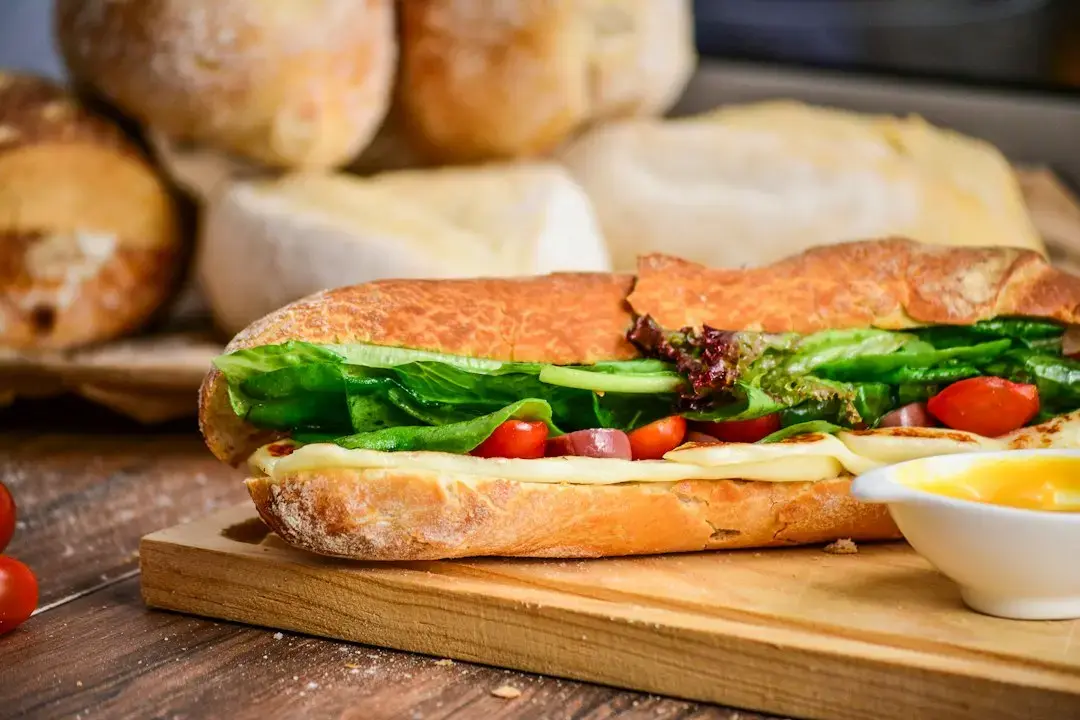
French Dip: A Los Angeles Classic That Defies Its Name
How the Juicy Secret Sauce Is Made
The French Dip sandwich, despite its misleading title, was created in 1918 at Philippe the Original in Los Angeles. The eatery’s owner, Philippe Mathieu, devised a quick, satisfying lunch for workers on the nearby rail yards. The sandwich features thinly sliced roast beef, gently warmed in a savory jus, piled on a crusty roll with melted provolone. Diners then dip the sandwich into the same jus before taking a bite. The dish has become a staple of Southern California cuisine and is celebrated for its simple yet flavorful construction.
Latest news
 Costco's Frozen Dumpling Lineup, Ranked From Least To Most Tasty
 Best stainless-steel frying pans 2026: expert-tested picks for searing, eggs and daily cooking
 Trader Joe’s First‑Time Shopper Guide: Must‑Try Items
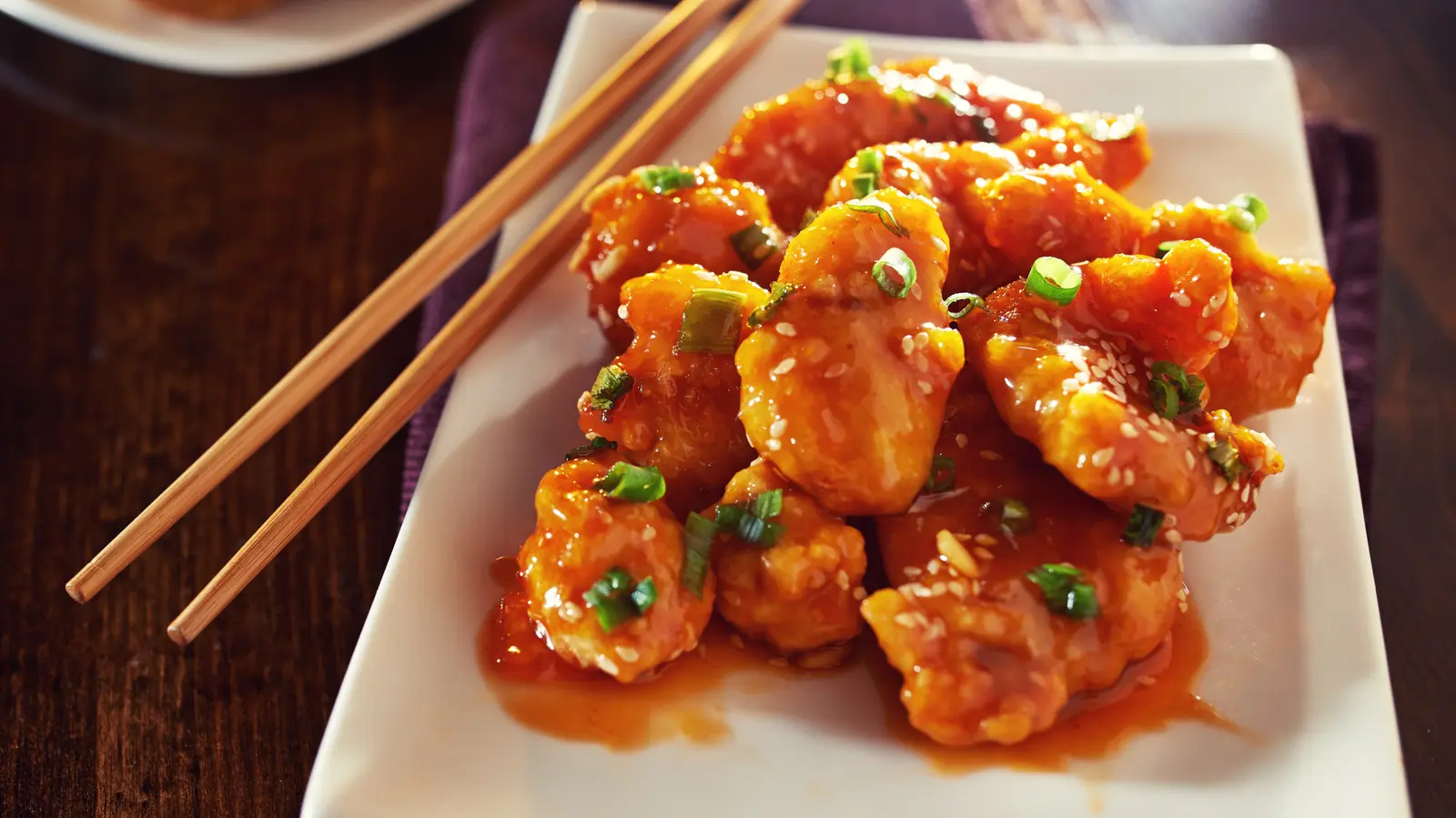 Panda Express vs P.F. Chang's: Which Orange Chicken Is Healthier?
The origin story of the French Dip is rooted in practicality. In the early 20th century, Los Angeles was a booming industrial hub. Philippe’s restaurant catered to a workforce that needed a hearty meal on the go. By layering roast beef with cheese and offering a dipping sauce, the sandwich provided a portable, protein‑rich option that could be prepared quickly. The name „French Dip” is a playful nod to the French‑style jus and the roll’s crusty exterior, rather than a claim of French heritage. Over the decades, the sandwich has maintained its classic form, with variations appearing in specialty shops and food trucks across the city.
Is the French Dip Worth the Dunk?
The jus that defines the French Dip is more than a simple broth. It begins with a base of beef stock, reduced with onions, garlic, and a splash of red wine. The mixture is then seasoned with thyme, bay leaves, and a hint of Worcestershire sauce. Once the liquid has thickened slightly, it is strained and cooled. The result is a rich, savory sauce that complements the roast beef without overpowering it. Many chefs claim that the key to the sauce’s depth lies in the slow reduction process, which allows the flavors to meld and intensify.
Frequently Asked Questions
People often ask whether the sandwich’s dipping ritual enhances the eating experience. Culinary experts argue that dunking the roll in jus softens the bread, allowing the flavors to mingle more fully. The cheese melts into the warm beef, creating a cohesive bite that balances texture and taste. However, some diners find the soggy texture off-putting, preferring to eat the sandwich dry. Surveys of Los Angeles food critics show that the majority favor the traditional dipping method, citing an „extra layer of richness” that the sauce provides.
The French Dip’s popularity has grown beyond its original neighborhood. Food festivals, pop‑up restaurants, and even upscale eateries now offer their own takes on the sandwich, experimenting with different cheeses, breads, and dipping sauces. Yet the core recipe remains unchanged, preserving the dish’s historical integrity.
Content written by Kalle Bergman for fancy-meals.com editorial team, AI-assisted.