Béchamel Sauce: A Classic French Foundation for Creamy Dishes
Why Béchamel Remains a Kitchen Staple
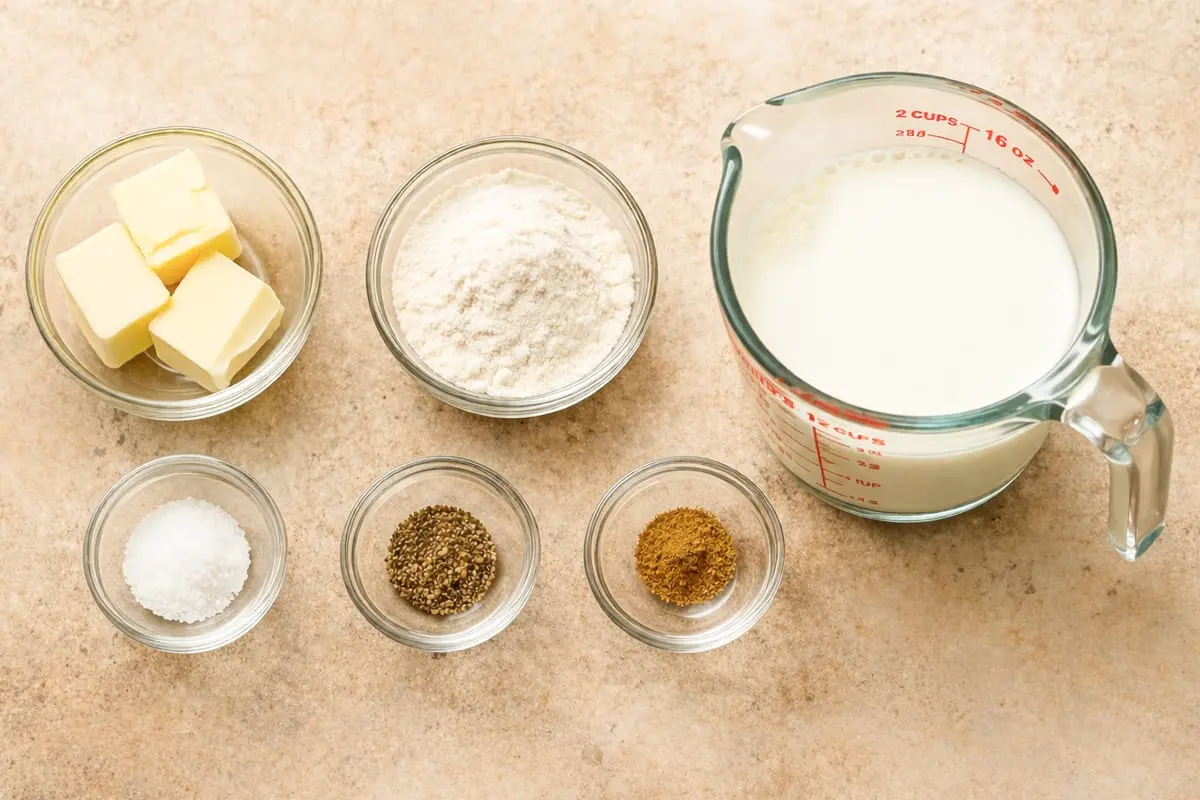
Béchamel sauce is one of the five foundational mother sauces in French cuisine, traditionally made by combining a roux of butter and flour with warm milk. Originating in 17th-century France, it serves as a versatile base for countless dishes, from lasagna to croque-monsieur. This timeless preparation requires only three core ingredients and careful technique to achieve a smooth, lump-free consistency.
Latest news
 Costco's Frozen Dumpling Lineup, Ranked From Least To Most Tasty
 Best stainless-steel frying pans 2026: expert-tested picks for searing, eggs and daily cooking
 Trader Joe’s First‑Time Shopper Guide: Must‑Try Items
 Panda Express vs P.F. Chang's: Which Orange Chicken Is Healthier?
The process begins with melting butter in a saucepan over medium heat, then whisking in an equal part of flour to form a pale roux cooked for two minutes without browning. Warm milk is gradually added while whisking constantly to prevent lumps, and the mixture is simmered gently until thickened, typically taking 8–10 minutes. A pinch of nutmeg, salt, and white pepper enhances the flavor, though the sauce remains deliberately mild to complement other ingredients.
How Can Home Cooks Avoid Common Mistakes?
Unlike more complex sauces, béchamel’s simplicity allows it to adapt to both savory and sweet applications. It binds ingredients in gratins, adds richness to soups, and forms the base for derivative sauces like Mornay (with cheese) or Soubise (with onions). Its neutral profile makes it ideal for layering flavors without overpowering a dish, which explains its enduring presence in both home and professional kitchens across generations.
The most frequent issue is lumps, which occur when milk is added too quickly or the roux isn’t cooked sufficiently. To prevent this, ensure the roux is smooth and bubbly before slowly incorporating warm milk while whisking vigorously. If lumps form, straining the sauce through a fine-mesh sieve restores silkiness. Maintaining low to medium heat during thickening also avoids scorching or a grainy texture.
Can béchamel sauce be made ahead of time? Yes, it can be prepared up to two days in advance and stored in an airtight container in the refrigerator. Reheat gently over low heat, whisking in a splash of milk if it thickens too much.
Frequently Asked Questions
Is it possible to make a gluten-free version? Substitute the all-purpose flour with an equal amount of rice flour or gluten-free flour blend, following the same method. The texture may vary slightly but remains creamy and functional.
Does béchamel freeze well? Freezing is not recommended, as the sauce may separate or become watery upon thawing due to the dairy base. Fresh preparation yields the best results for optimal texture and flavor.
Content written by Lucas Carter for fancy-meals.com editorial team, AI-assisted.