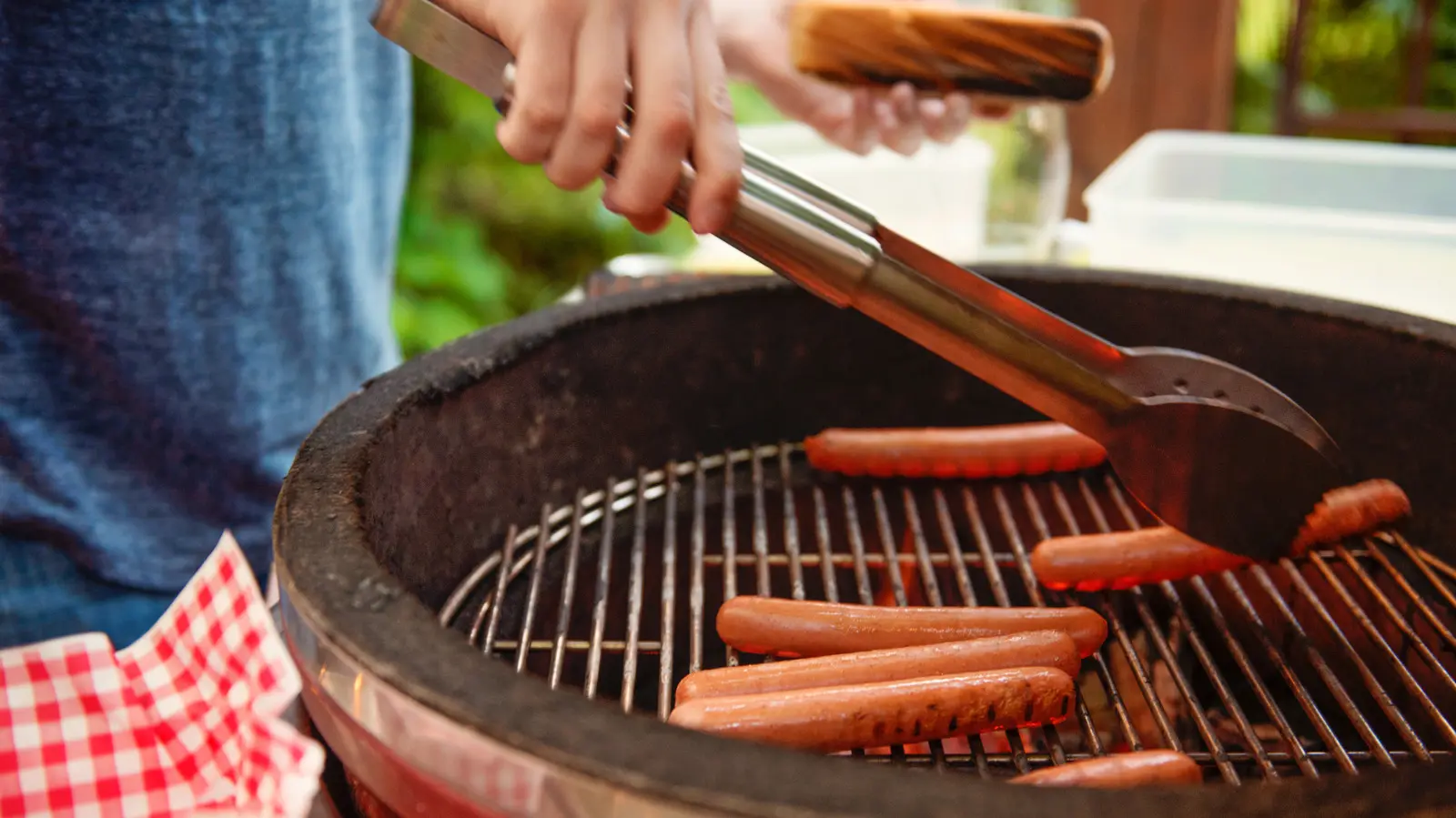
Brazilian Hot Dogs Revolutionize Classic Summer Staple
The Brazilian Hot Dog Culture
Brazilian street food culture has transformed the humble hot dog into an extravagant culinary experience that goes far beyond the basic sausage and condiments found in other countries.
Latest news
 Costco's Frozen Dumpling Lineup, Ranked From Least To Most Tasty
 Best stainless-steel frying pans 2026: expert-tested picks for searing, eggs and daily cooking
 Trader Joe’s First‑Time Shopper Guide: Must‑Try Items
 Panda Express vs P.F. Chang's: Which Orange Chicken Is Healthier?
The Brazilian hot dog, known locally as „cachorro quente,”features a grilled or boiled sausage piled high with vibrant toppings including melted cheese, avocado slices, corn kernels, peas, and a generous drizzle of mayonnaise. Some versions incorporate heart of palm, potato salad, and even coleslaw, creating layers of texture and flavor that most Americans rarely encounter.
In São Paulo and Rio de Janeiro, street vendors serve these loaded dogs as quick, satisfying meals that combine convenience with remarkable variety. The tradition emerged from Italian immigration in the early 20th century, when Italian immigrants adapted their sausage recipes using local Brazilian ingredients and preferences. Today's versions reflect a fusion of European techniques with tropical flavors that create something entirely new yet familiar.
How to Make Brazilian-Style Hot Dogs at Home
Street food enthusiasts visiting Brazil often describe the experience as transformative. The combination of creamy mayonnaise with fresh vegetables and melted cheese creates textures that range from crunchy to silky, while the sausages themselves are typically more flavorful than standard varieties found elsewhere.
Recreating this Brazilian flair requires moving beyond traditional American toppings. Start with quality sausages—portuguese sausage or chorizo work well—then build your toppings station with shredded cheese, diced avocado, canned corn, and a good mayonnaise base. The key is layering: some Brazilians spread mayonnaise on the bun first, then add the sausage, followed by the cheese that melts slightly from the warm sausage, and finally the fresh vegetables.
The fundamental difference lies in the emphasis on contrast—both in temperature and texture. While American hot dogs typically feature warm sausage with cool mustard or ketchup, Brazilian versions create multiple temperature zones and combine creamy, crunchy, and melty elements in every bite. This approach reflects Brazilian cuisine's broader focus on balancing different flavors and textures rather than simply seasoning individual components.
What Makes Brazilian Hot Dogs Different?
The popularity of Brazilian-style hot dogs has spread internationally as people seek more exciting versions of familiar foods. Food bloggers and home cooks report greater satisfaction when using Brazilian techniques, noting that the additional toppings and varied textures make even simple meals feel special.
Can you make Brazilian hot dogs without avocado? Yes, the dish remains delicious without avocado, though you'll miss the creamy texture element. Many traditional recipes include it, but it's not essential to the overall flavor profile.
Frequently Asked Questions
What type of sausage works best? Portuguese sausage or high-quality chorizo provide the best flavor foundation. Avoid overly processed varieties, as the Brazilian approach relies on the sausage having its own distinct taste to complement the toppings.
How long do Brazilian hot dogs take to prepare? Once you have all ingredients prepped, assembly takes just a few minutes per serving. The main time investment is preparing toppings in advance and warming the sausages properly.
The Brazilian hot dog represents how cultural adaptation can elevate simple concepts into something extraordinary, proving that familiar foods can always benefit from fresh perspectives and bold new combinations.
Content written by Lucas Carter for fancy-meals.com editorial team, AI-assisted.