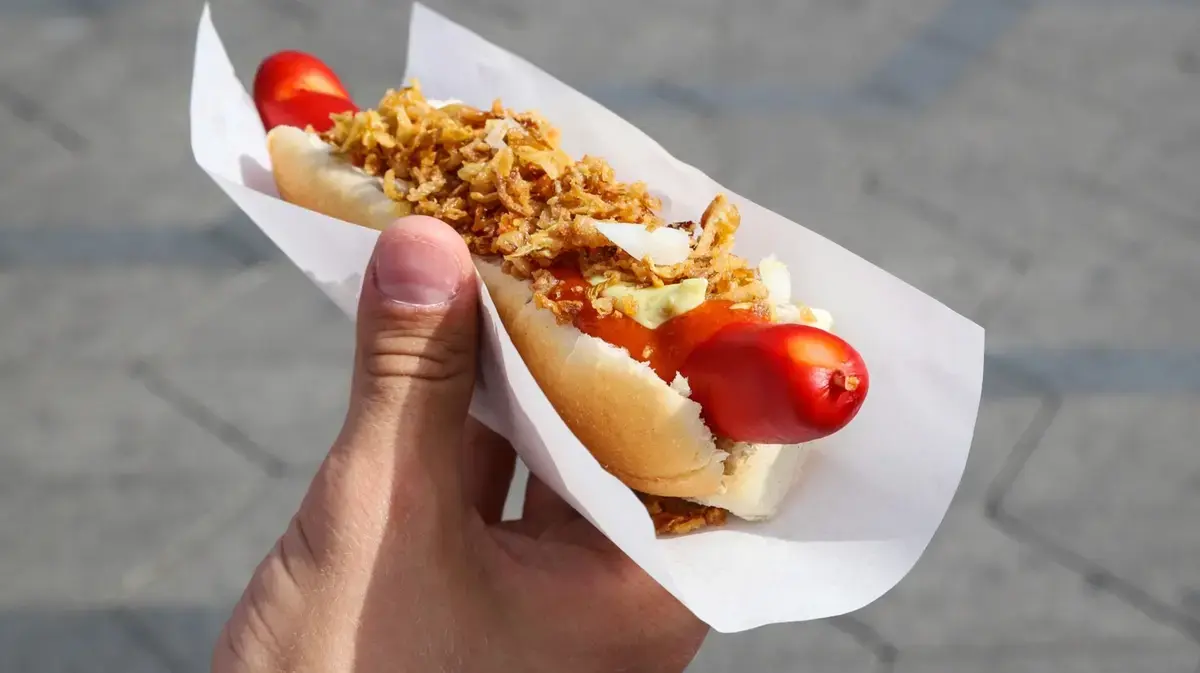
Danish‑Style Hot Dogs Bring a Scandinavian Twist to Summer Grilling
The Secret Sauce: Danish Remoulade and Pickles
A growing trend in American backyard grilling is the Danish‑style hot dog, a snack that blends classic frankfurters with Scandinavian toppings and a distinct bun texture. First popularized in Copenhagen’s street stalls, the version is now appearing at food festivals across the United States this summer.
Latest news
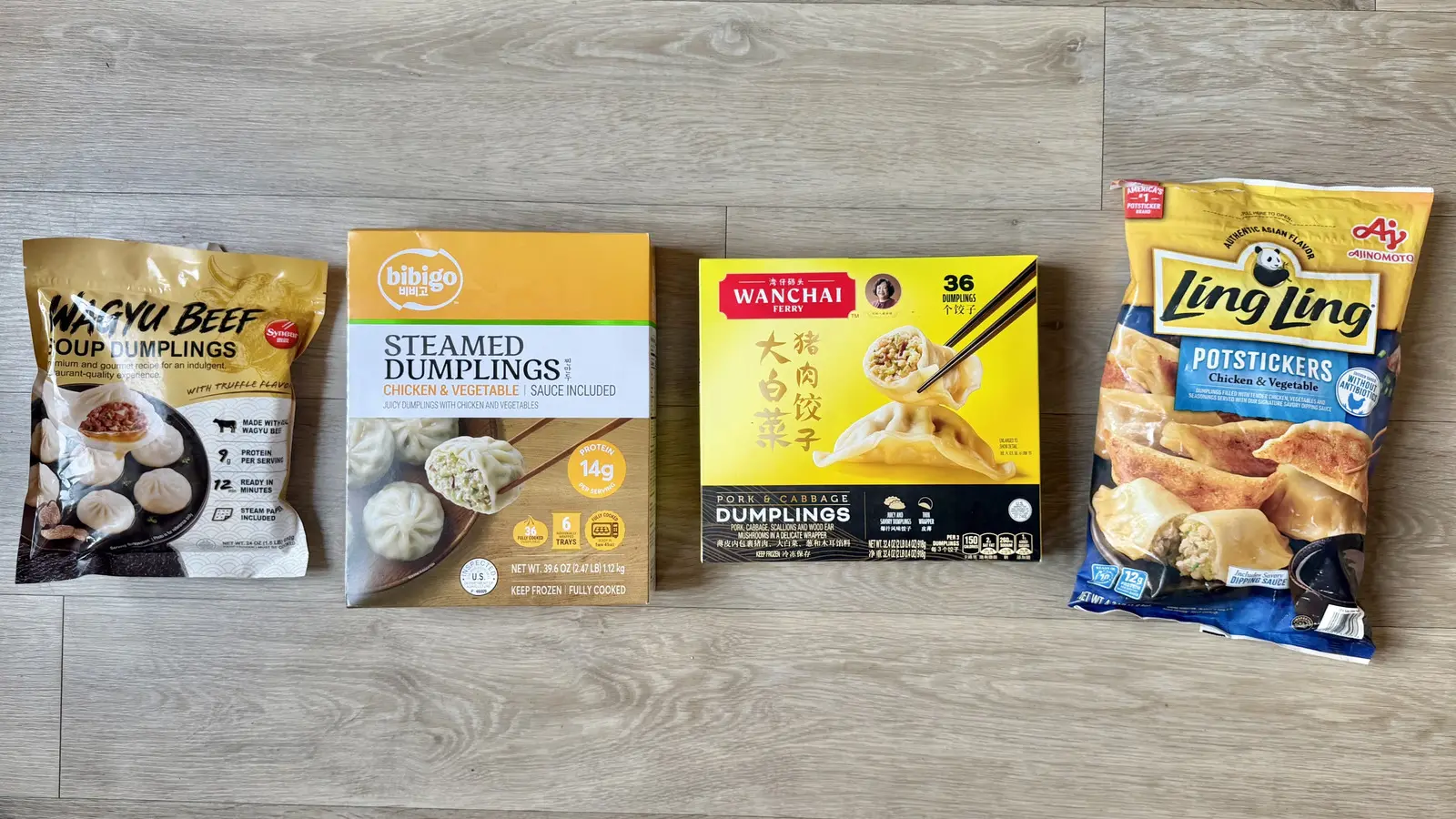 Costco's Frozen Dumpling Lineup, Ranked From Least To Most Tasty
 Best stainless-steel frying pans 2026: expert-tested picks for searing, eggs and daily cooking
 Trader Joe’s First‑Time Shopper Guide: Must‑Try Items
 Panda Express vs P.F. Chang's: Which Orange Chicken Is Healthier?
The Danish take replaces the standard soft roll with a slightly crisp, rye‑infused bun that holds a generous spoonful of creamy remoulade, fried onions, pickled cucumbers, and a dash of mustard. The combination creates a crunchy‑soft contrast that elevates the ordinary frankfurter into a flavor‑rich bite. Chefs say the texture difference and bold seasoning are why diners keep returning for more.
Remoulade, a mayonnaise‑based sauce flavored with capers, herbs, and a hint of curry, is the heart of the Danish hot dog experience. „The sauce adds depth without overpowering the meat,” explains Lars Jensen, a Copenhagen‑born chef who now runs a pop‑up stall in Portland. He adds that the pickled cucumbers, often sliced thin, provide a bright acidity that cuts through the richness. Data from a recent survey of 1,200 festival attendees shows that 68 % rank the sauce as the most memorable component of the dish.
Can the Danish Twist Win Over Traditional Hot‑Dog Lovers?
Beyond the sauce, the bun itself plays a crucial role. Baked with a mixture of rye flour and wheat, the roll develops a lightly toasted crust while staying supple inside. This texture allows the hot dog to stay upright, preventing toppings from spilling. Food‑science experts note that the rye’s natural sugars caramelize during baking, lending a subtle sweetness that balances the tangy condiments.
Skeptics wonder whether the unfamiliar flavors will appeal to fans of classic American hot dogs. Early reactions suggest they do. At the Austin Summer Food Fair, sales of the Danish version outpaced traditional options by 22 % on the first weekend. „People love the surprise of the crunchy bun and the aromatic sauce,” says event organizer Maya Patel. She adds that the novelty factor encourages diners to experiment with other Scandinavian foods, expanding the market for imported ingredients.
The growing popularity also signals a shift in grilling culture toward more adventurous toppings. Restaurants are beginning to feature Danish‑style hot dogs on their menus, often pairing them with craft beers that complement the sauce’s herbal notes. Industry analysts predict that this trend could inspire new hybrid street‑food concepts, blending regional flavors with familiar formats.
The Danish‑style hot dog is reshaping expectations for a simple summer staple. As more chefs adopt the recipe and consumers embrace the new taste profile, the humble frankfurter may evolve into a platform for global culinary exchange. Future festivals will likely showcase even more variations, cementing the Danish twist as a lasting fixture in American outdoor dining.
Frequently Asked Questions
What makes the Danish bun different from a regular hot‑dog roll? The Danish bun incorporates rye flour and is baked to achieve a lightly toasted exterior while remaining soft inside, creating a crunchy‑soft texture that holds toppings better.
How can I make Danish remoulade at home? Mix mayonnaise with finely chopped capers, pickles, fresh herbs, a pinch of curry powder, and a splash of lemon juice. Chill for at least thirty minutes to let flavors meld.
Can I use any type of sausage for this recipe? While traditional Danish hot dogs use a mild pork or beef frankfurter, the method works with chicken, turkey, or plant‑based sausages, as long as the bun and sauce remain authentic.
Content written by Isabelle Fontaine for fancy-meals.com editorial team, AI-assisted.