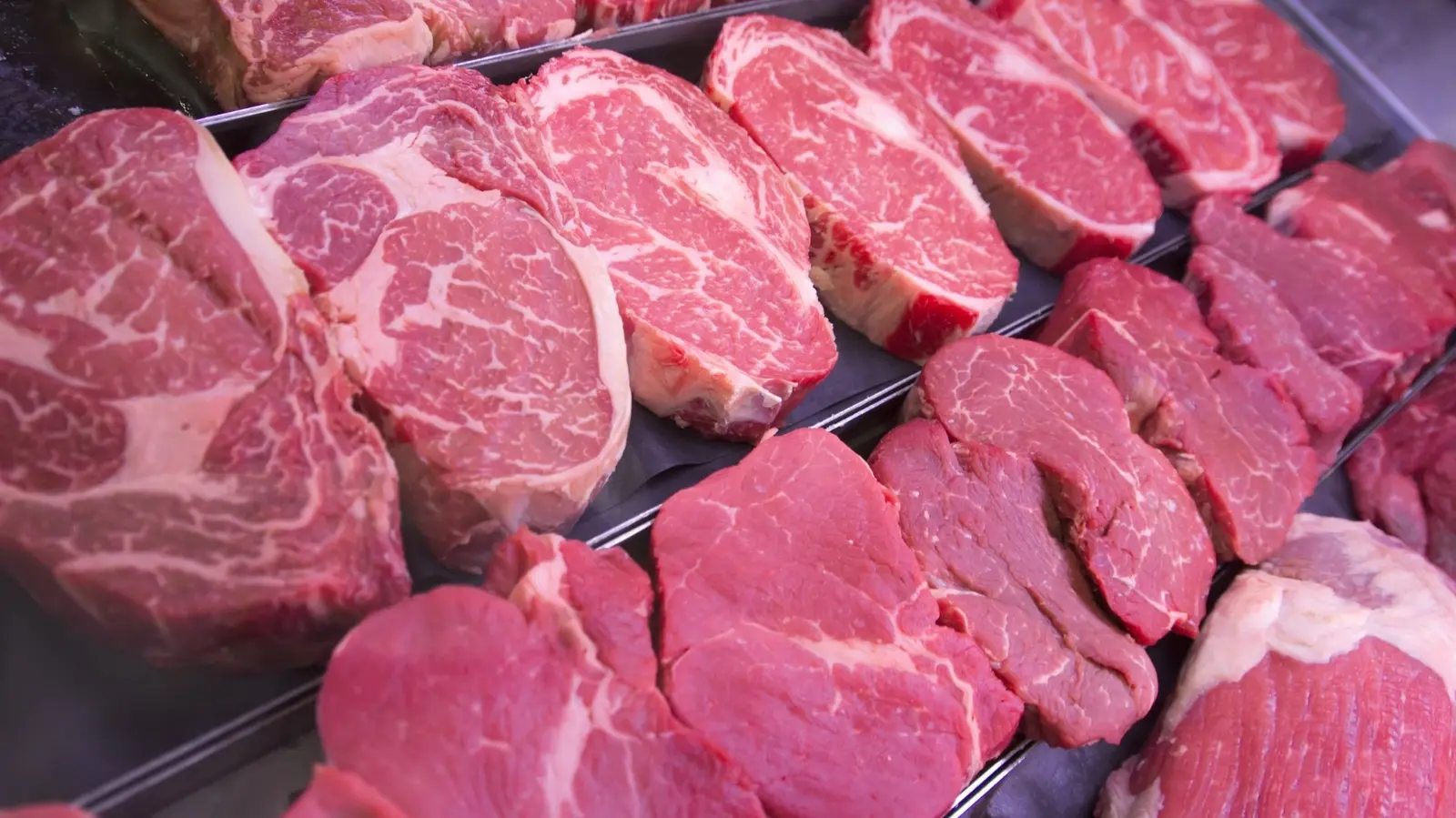
Aldi and Lidl Battle for the Best Value Steak
How Do the Chains Source Their Beef?
Aldi and Lidl, two of the world’s most popular discount supermarkets, are once again in the spotlight as shoppers seek the best deals on steak. In 2026, beef prices have risen sharply, but both chains continue to offer cuts that promise good flavor at a fraction of the cost found in traditional grocery stores. This article examines how each retailer sources its beef, the quality consumers can expect, and whether the price advantage translates into a better overall value.
Latest news
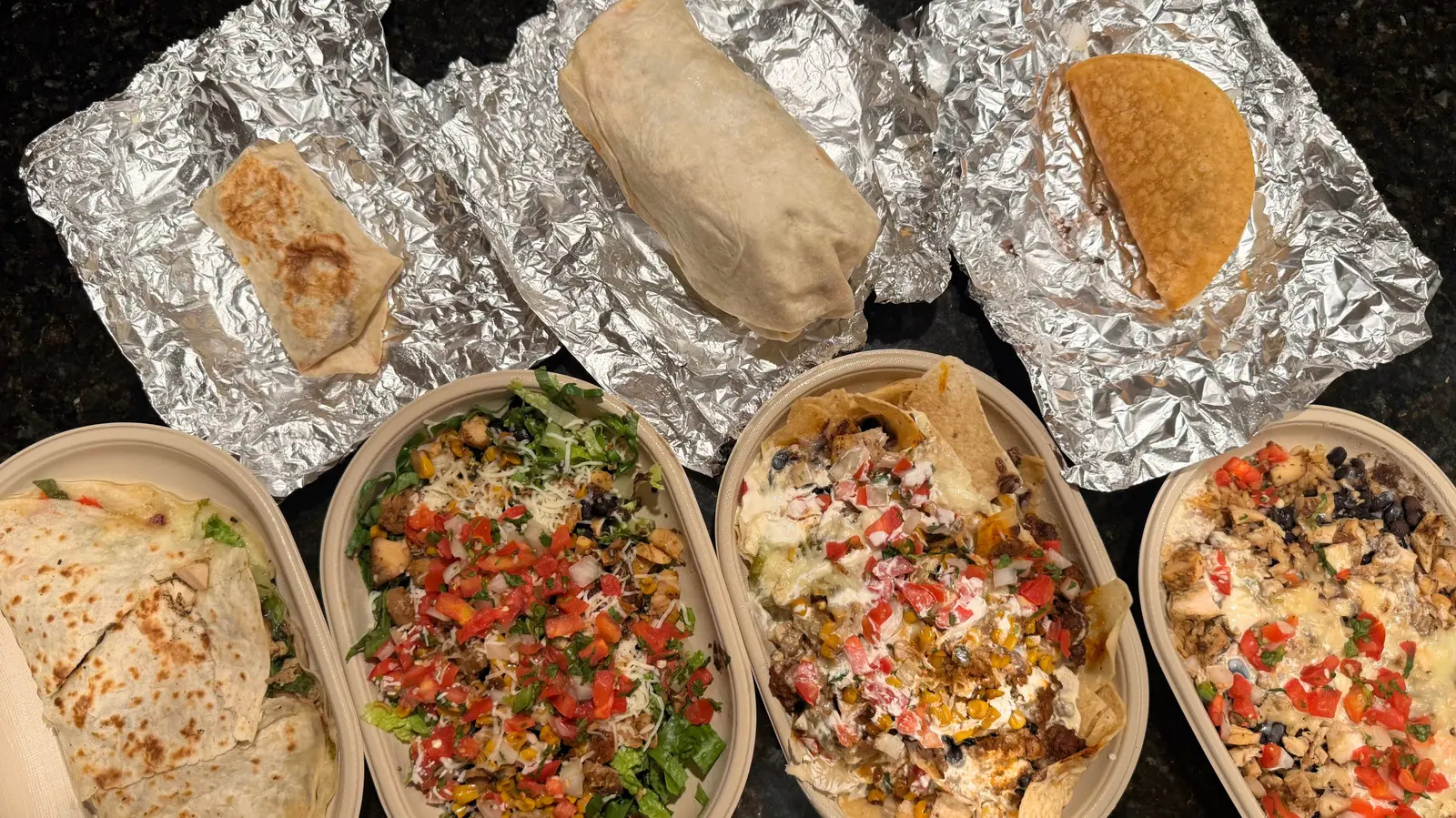 Moe's Southwest Grill Menu Items Ranked from Worst to Best
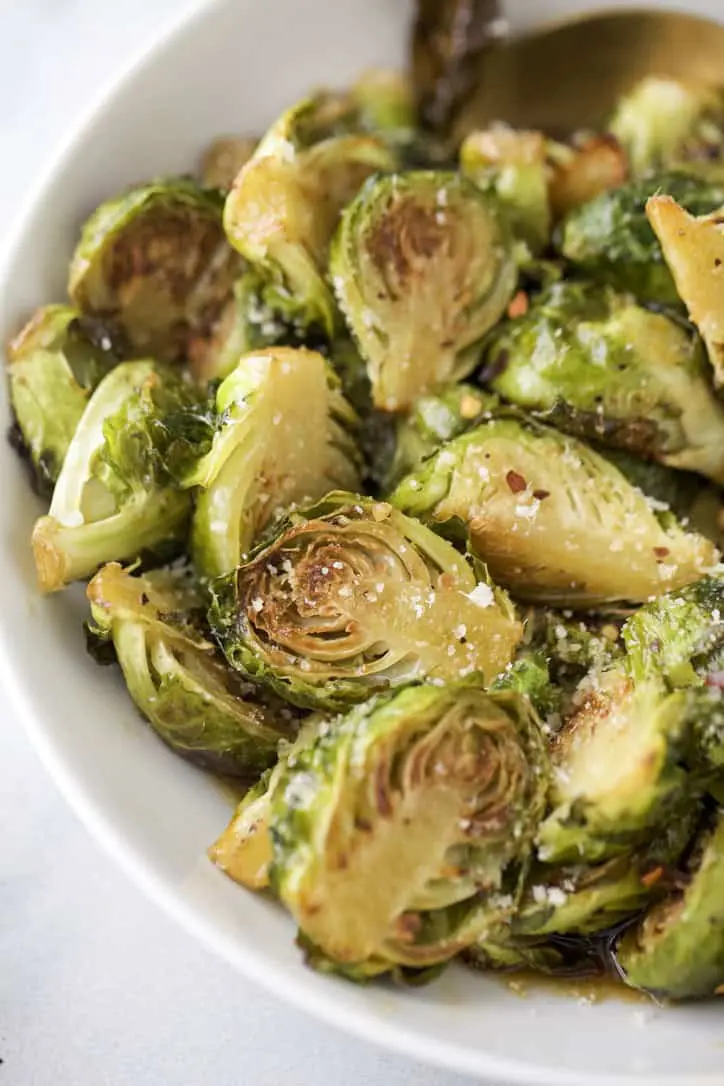 Hot Honey Brussels Sprouts: A Sweet‑Spicy Side That Turns Heads
 Turn Your Pasta Sauce Into a Nutritional Powerhouse
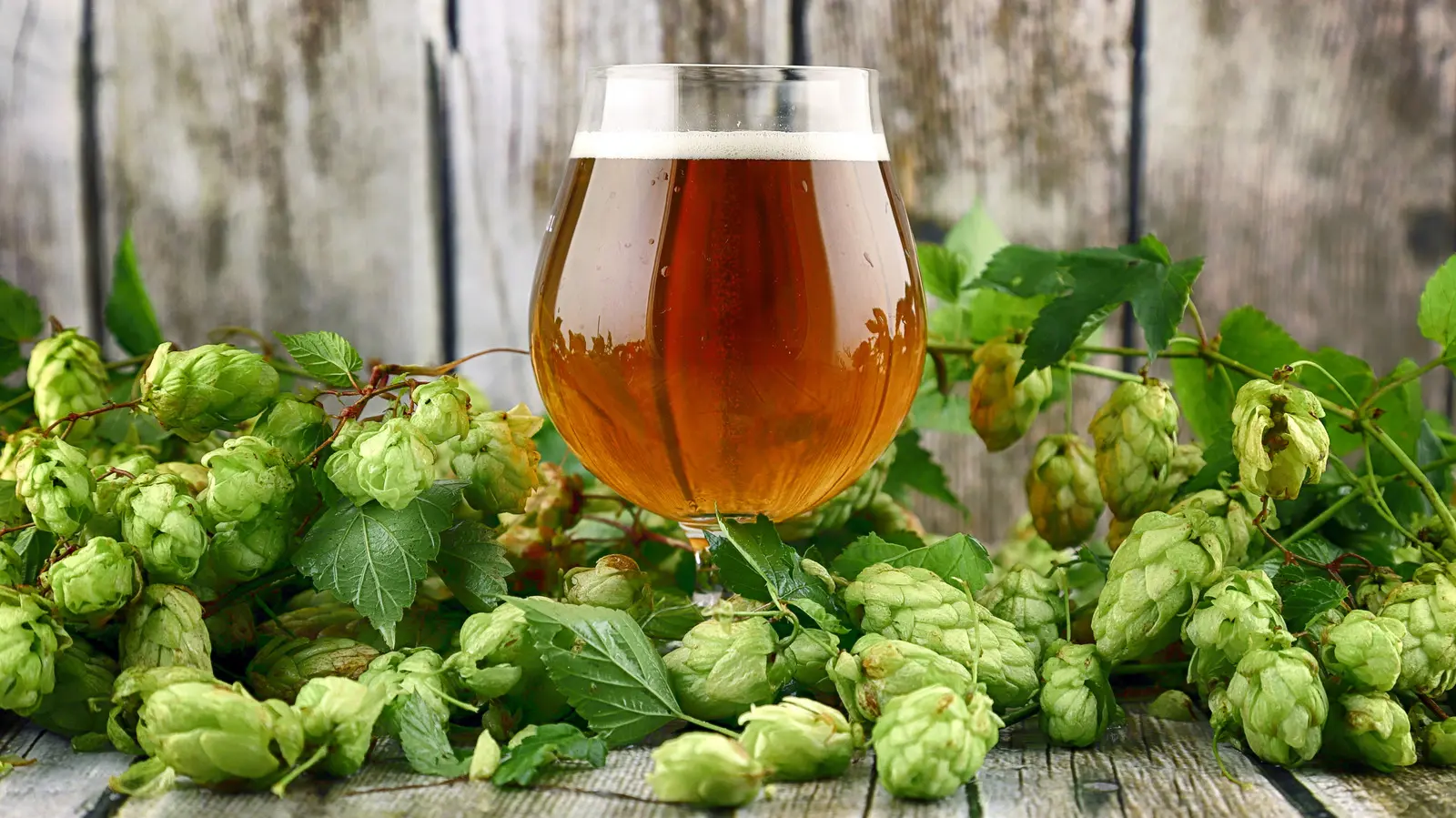 West Coast IPAs vs East Coast IPAs: A Flavor Battle Across the United States
Aldi and Lidl have long been known for their no‑frills approach, but their steak selections have evolved. Aldi sells a range of cuts, from ribeye to sirloin, at prices that can be up to 30 % lower than comparable products in mainstream supermarkets. Lidl, meanwhile, has introduced a „Premium” line of beef that includes marbled cuts, marketed as „steak‑grade” at a similar discount. Both chains claim that their suppliers use strict quality controls, but the methods differ.
Which Offers the Better Value? A Question of Taste and Price
Aldi’s sourcing strategy relies on a small group of long‑term suppliers, mostly from the United States and Australia. The retailer emphasizes „farm‑to‑fork” transparency, offering customers detailed information about the origin of each cut. Aldi’s ribeye, for example, is sourced from U. S. farms that use grass‑fed cattle, which tend to have a richer flavor profile. Lidl, on the other hand, partners with European producers and a few American suppliers. Their premium line is marketed as „European‑style” beef, with a focus on marbling and tenderness. Lidl’s packaging often highlights the country of origin, giving shoppers a clear idea of where the meat came from.
Both retailers use a „no‑fridge” storage system for many of their products, which reduces costs. The meat is packaged in vacuum‑sealed bags and sold at a lower price point. Critics argue that this can affect freshness, but both Aldi and Lidl claim their cuts are sold within 24–48 hours of slaughter, ensuring a fresh product for consumers.
What Does the Future Hold for Discount Beef?
Consumers have mixed reactions to the two brands. In taste tests conducted by independent reviewers, Aldi’s ribeye was praised for its marbling and buttery texture, while Lidl’s premium sirloin was noted for its robust flavor. However, the price difference remains a decisive factor. Aldi’s ribeye typically sells for $7.99 per pound, whereas Lidl’s premium sirloin is priced at $9.49 per pound. When factoring in the weight of the cuts, Aldi’s offering can save shoppers up to $2.50 per pound.
The difference in price can also be attributed to the packaging and marketing strategies. Aldi’s minimalist packaging reduces overhead, while Lidl’s premium line features more elaborate labeling and a higher retail price. For budget-conscious shoppers, Aldi’s lower price point may be more appealing, especially when combined with the chain’s frequent promotions on meat.
Frequently Asked Questions
As supply chain disruptions and rising feed costs continue to pressure the beef industry, discount retailers are likely to adjust their strategies. Aldi may increase its focus on grass‑fed options, while Lidl could expand its premium line to include more marbled cuts. Both chains are also exploring local sourcing to reduce transportation costs and appeal to consumers who value sustainability.
In the end, the choice between Aldi and Lidl will depend on individual priorities. If you value lower prices and a straightforward shopping experience, Aldi is the clear winner. If you prefer a slightly higher price for a more premium taste, Lidl’s premium line may be worth the extra cost. Either way, both retailers are delivering steak that offers good value in an era of high beef prices.
Content written by [email protected] (Craig Mattson) for fancy-meals.com editorial team, AI-assisted.