
A Culinary Map of America’s Iconic Regional Sandwiches
The Evolution of Local Deli Classics
Across the United States, specific neighborhoods and cities have cultivated unique sandwich traditions that define their local identities. From the bustling streets of Chicago to the historic taverns of Buffalo, these regional specialties offer a distinct taste of local culture. Food enthusiasts are increasingly traveling across state lines to experience these authentic, time-honored culinary treasures.
Latest news
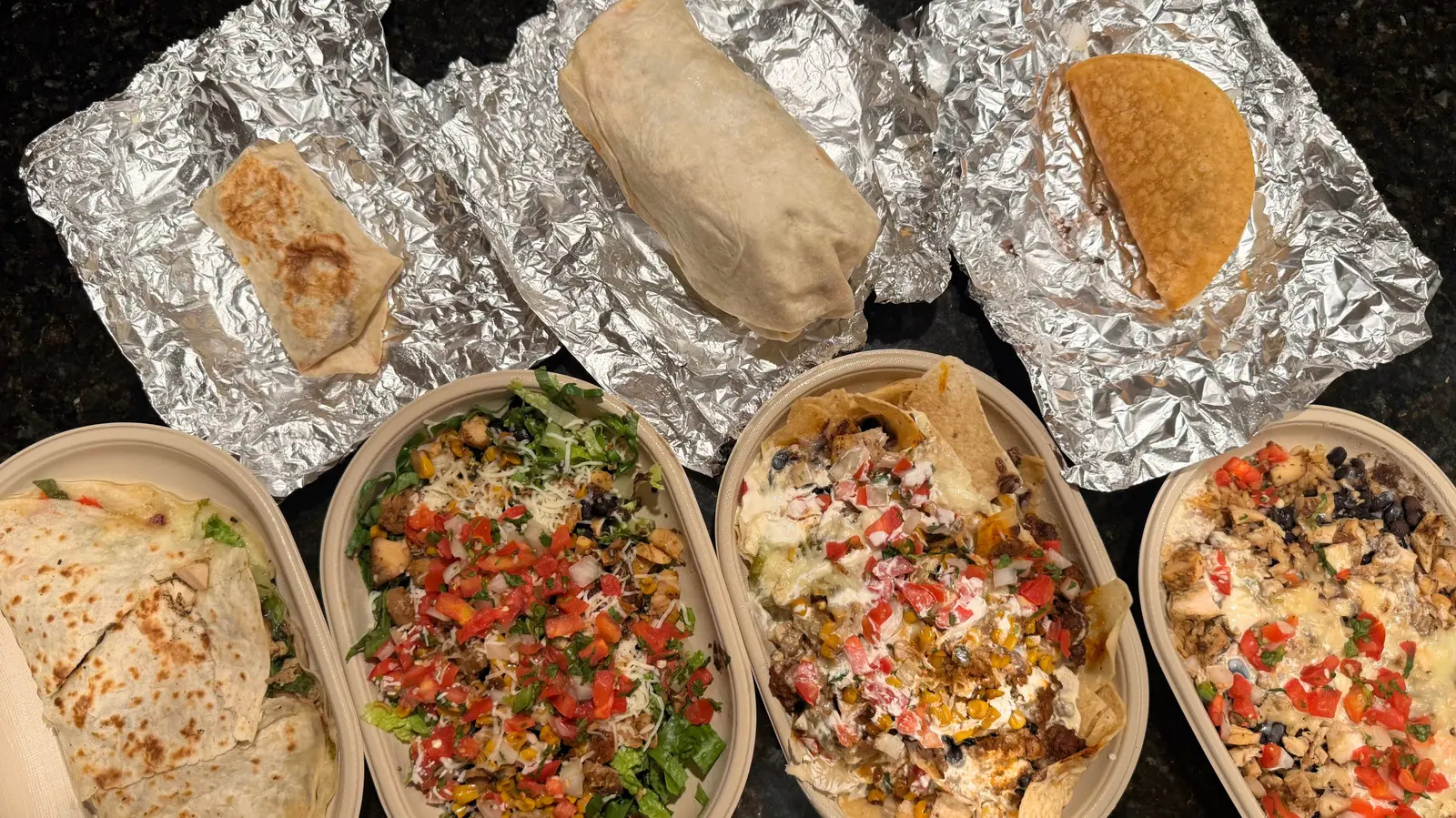 Moe's Southwest Grill Menu Items Ranked from Worst to Best
 Hot Honey Brussels Sprouts: A Sweet‑Spicy Side That Turns Heads
 Turn Your Pasta Sauce Into a Nutritional Powerhouse
 West Coast IPAs vs East Coast IPAs: A Flavor Battle Across the United States
These sandwiches often reflect the immigrant history and available ingredients of their respective regions. They are more than just quick meals; they serve as cultural touchstones that unite local communities. Whether served on crusty rolls or pressed between fried plantains, each creation tells a story of local pride and culinary innovation.
The Buffalo beef on weck is a prime example of regional craftsmanship. It features thin slices of roast beef piled high on a kummelweck roll, topped with coarse salt and caraway seeds. The roll is essential, providing a savory crunch that balances the tender, juicy meat. This sandwich remains a staple of Western New York, often served with a side of spicy horseradish to clear the sinuses.
Why Do These Flavors Remain So Localized?
In Chicago, the jibarito offers a bold departure from traditional bread-based sandwiches. Instead of wheat rolls, this dish uses flattened, fried green plantains as the vessel for steak, cheese, lettuce, and garlic mayonnaise. It represents the vibrant Puerto Rican influence on the city's diverse food landscape.
The persistence of these sandwiches often stems from a deep-rooted loyalty to traditional preparation methods. Many recipes have been passed down through generations of family-owned shops. While national chains dominate the fast-food market, these regional gems rely on specific local suppliers and community support to survive.
Frequently Asked Questions
Travelers often find that the true essence of a city is best understood through its signature lunch options. These dishes are rarely replicated accurately outside their home regions because they require specific regional breads or local cooking techniques. Protecting these culinary traditions ensures that American food culture remains diverse and deeply connected to its roots.
What makes a sandwich truly regional? A regional sandwich is defined by its deep historical ties to a specific geographic area. It typically uses locally sourced ingredients or unique bread styles that are rarely found elsewhere.
Why are these sandwiches difficult to find outside their home cities? Many of these dishes rely on specialized equipment or local bakeries that produce unique bread types. Without these specific components, the authentic flavor profile is nearly impossible to recreate elsewhere.
Content written by Isabelle Fontaine for fancy-meals.com editorial team, AI-assisted.