
Zucchini often turns into a watery mess when cooked, frustrating many home cooks. This summer squash is notorious for releasing excessive moisture during preparation. The result is a soggy dish that lacks texture and flavor. Chefs and food experts are sharing specific techniques to prevent this common kitchen failure. These methods ensure the vegetable remains crisp and delicious
Removing Excess Moisture Before Cooking
The primary issue stems from the high water content within zucchini. When heat is applied, cell walls break down and release liquid. This excess water steams the vegetable instead of browning it. Consequently, the final product feels limp and tastes bland. Understanding this biological reaction is the first step toward better cooking results. Proper preparation can significantly alter the outcome of any recipe involving this ingredient.
Latest news
 Five-Day High-Protein Meal Plan Launches for Busy Cooks
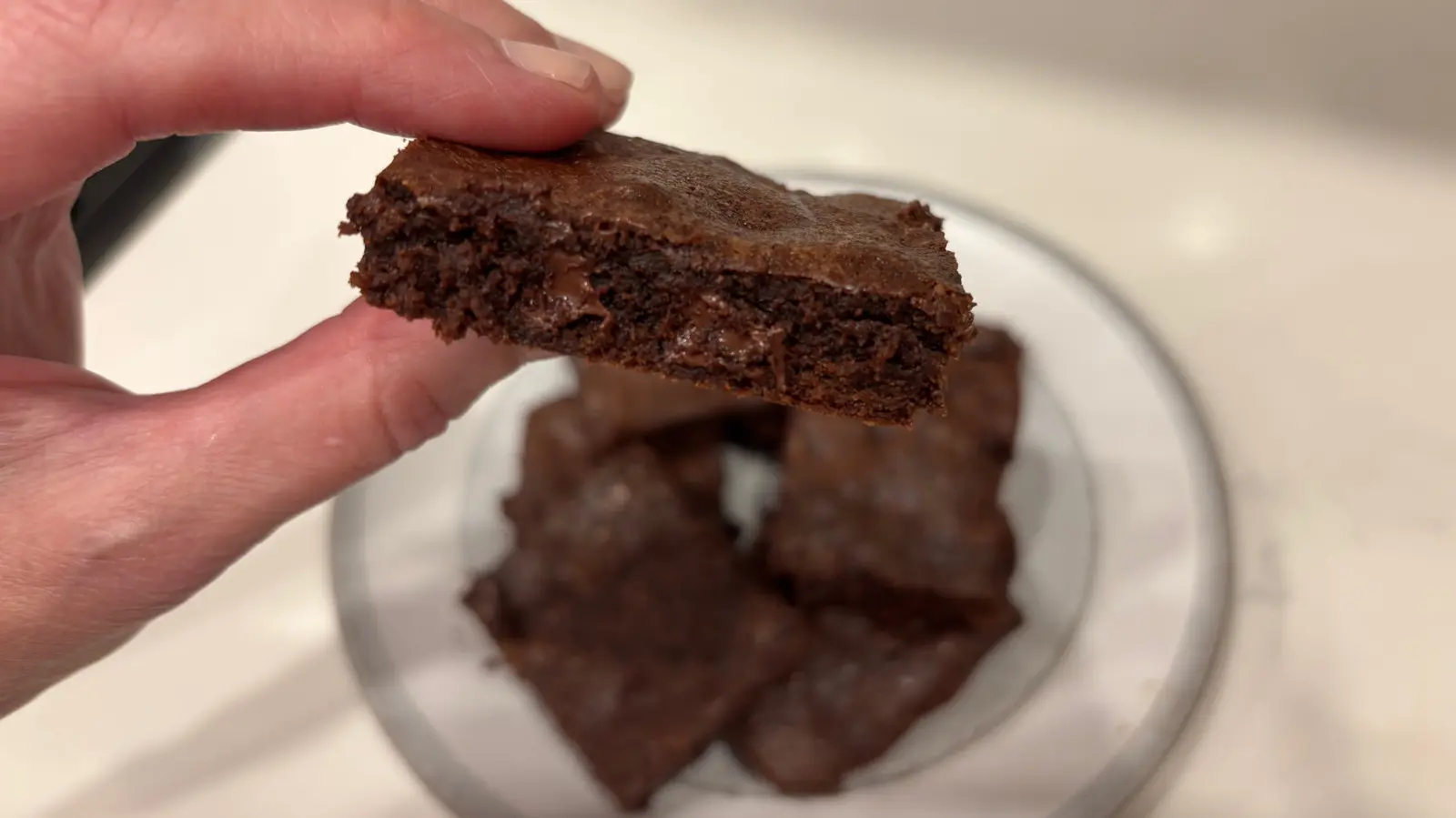 Soy Saucelebrity chef reveals soy sauce trick for richer brownies
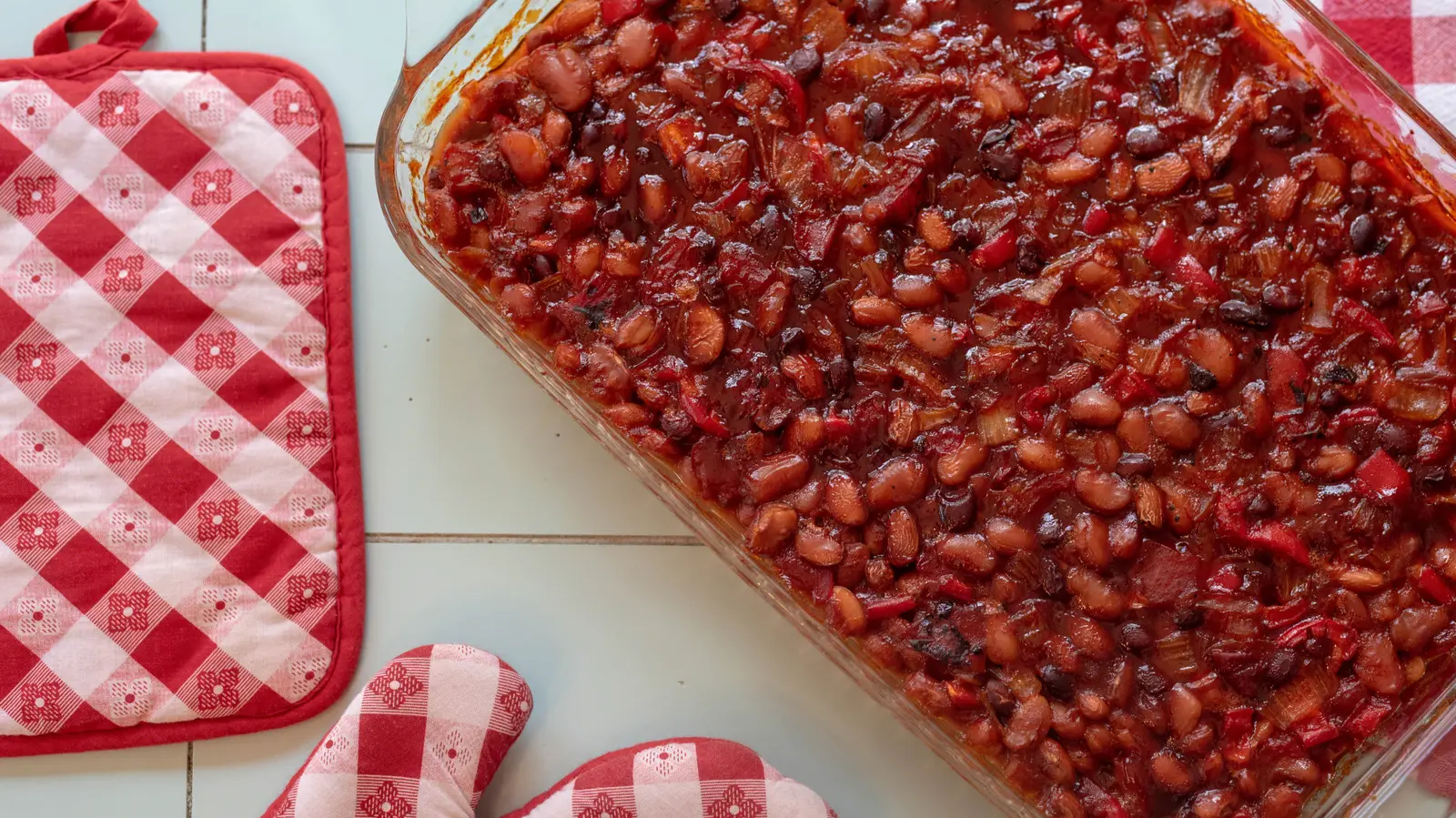 Unconventional Fruit Boosts Canned Baked Beans' Flavor
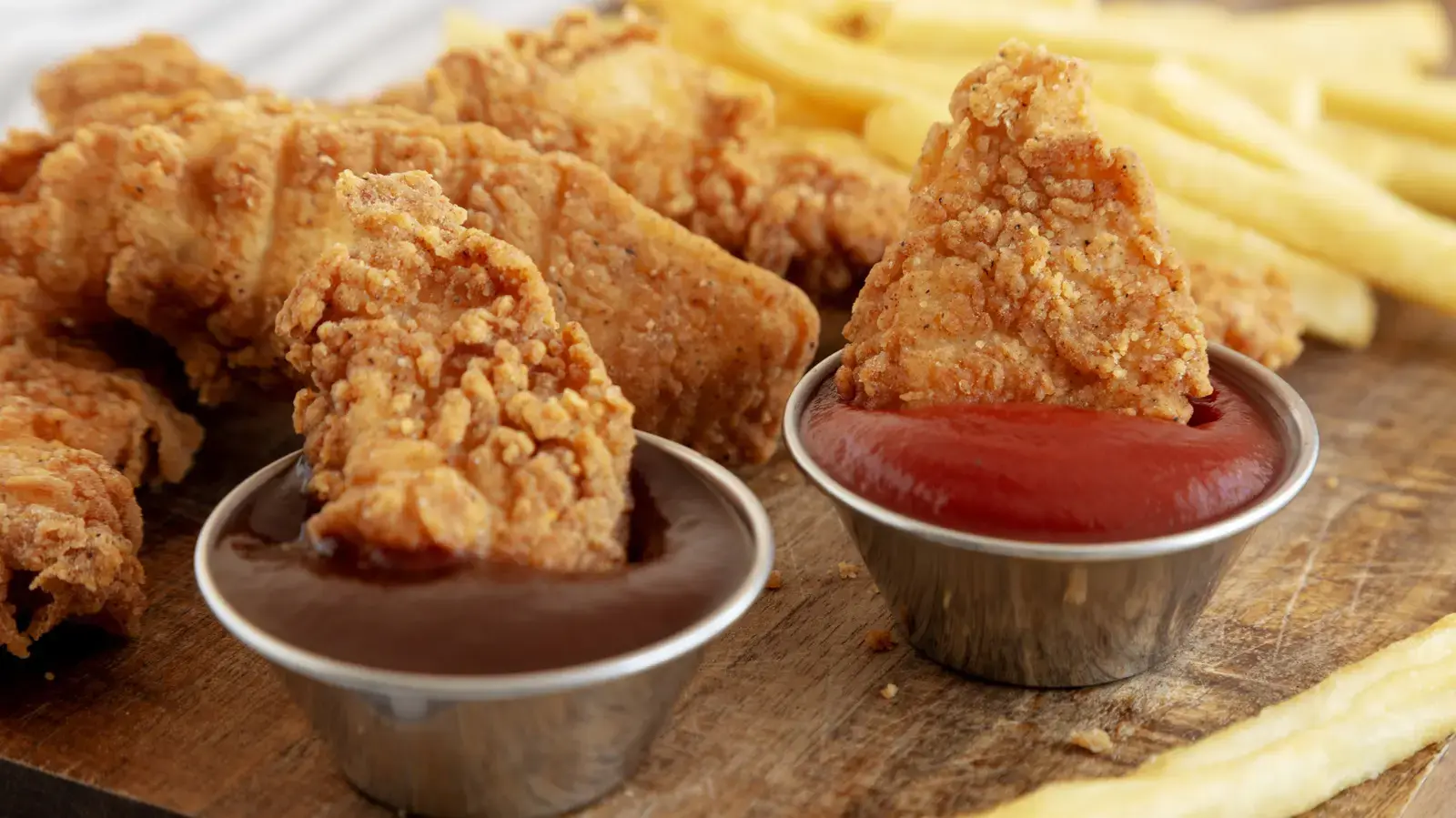 Skip the Dipping Cup — Coat Chicken Tenders with Sauce Before Cooking
Salting the zucchini is a highly effective pre-cooking technique. Sprinkle coarse salt over sliced or diced pieces and let them sit for twenty minutes. The salt draws out water through osmosis, creating a brine on the surface. Pat the vegetables dry thoroughly with paper towels before applying heat. This step removes up to thirty percent of the internal water weight. It allows for better caramelization and crispier edges. Alternatively, blanching slices briefly in boiling water can set the structure. However, salting is generally preferred for roasting and sautéing applications.
Why Does My Zucchini Taste Bland?
High heat is another critical factor in maintaining texture. Low temperatures cause zucchini to steam in its own juices. Use a cast iron skillet or heavy pan for even heat distribution. Do not overcrowd the pan, as this lowers the temperature rapidly. Cook in batches if necessary to maintain consistent heat levels. Stir less frequently to allow surfaces to brown properly. For oven roasting, arrange pieces in a single layer with space between them. Avoid covering the pan or dish, which traps steam and increases sogginess.
Flavor absorption is poor when the vegetable is waterlogged. Excess moisture dilutes seasonings and oils, washing away taste. Add salt and pepper only after the zucchini has dried out. This ensures spices adhere directly to the surface rather than dissolving in liquid. Acidic ingredients like lemon juice or vinegar can also brighten the flavor profile. They cut through the mild taste of the squash effectively. Pairing zucchini with robust flavors like garlic, herbs, or cheese helps mask any remaining blandness.
The outlook for zucchini in modern kitchens is positive with proper technique. Home cooks who adopt these drying and heating methods report significant improvements. The vegetable transforms from a potential disappointment to a versatile side dish. Experimentation with different cuts and temperatures yields varied textures. Slicing into half-moons provides more surface area for browning. Thicker chunks hold their shape better in stews and casseroles. Mastering these simple adjustments eliminates the risk of mushy results.
Frequently Asked Questions
Can I freeze zucchini without it getting mushy? Yes, but you must blanch and dry it first. Flash freezing individual pieces prevents clumping and ice crystal formation. Thaw quickly before cooking to minimize texture loss.
Is it better to grill or roast zucchini? Grilling offers superior char marks and smoky flavor. The open grates allow steam to escape easily. Roasting is easier for large batches but requires careful spacing.
Content written by Lucas Carter for fancy-meals.com editorial team, AI-assisted.