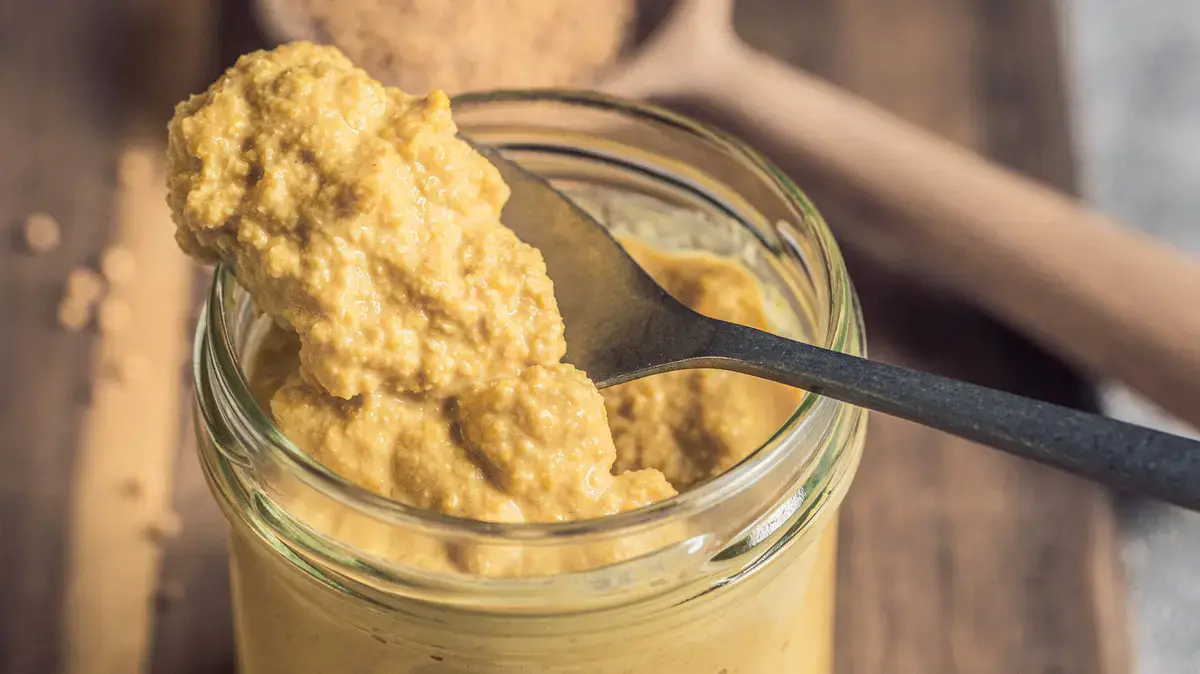
The Subtle Differences Between Dijon and Stone-Ground Mustards
Unpacking the Unique Flavor of Dijon
Mustard is a popular condiment and a key ingredient in many recipes. Two common varieties, Dijon and stone-ground, often appear similar on store shelves. Despite their shared mustardname, they possess distinct characteristics. Understanding these differences can enhance your cooking and dining experiences.
Latest news
 Five-Day High-Protein Meal Plan Launches for Busy Cooks
 Soy Saucelebrity chef reveals soy sauce trick for richer brownies
 Unconventional Fruit Boosts Canned Baked Beans' Flavor
 Skip the Dipping Cup — Coat Chicken Tenders with Sauce Before Cooking
These mustards might look alike with their yellowish colors. They are frequently displayed next to each other in grocery stores. However, their preparation and flavor profiles set them apart significantly.
Dijon mustard originates from Dijon, France. Its traditional recipe includes brown or black mustard seeds. These seeds are combined with white wine, unfermented grape must, or vinegar. This blend gives Dijon its signature sharp, tangy, and slightly spicy taste. The seeds are finely ground, resulting in a smooth texture. This smoothness makes it ideal for vinaigrettes and sauces.
How Does Stone-Ground Mustard Get Its Texture?
Stone-ground mustard, as its name suggests, is made using a traditional milling process. The mustard seeds are crushed between two large stones. This method leaves some of the seed husks intact. Consequently, stone-ground mustard has a coarser, more rustic texture. Its flavor is often robust and earthy, with varying levels of heat depending on the seeds used. It typically uses brown or yellow mustard seeds and is mixed with vinegar or water.
The primary distinction lies in their processing and resulting texture. Dijon is smooth and bright, while stone-ground offers a pleasant graininess. Both are versatile but excel in different culinary applications. Dijon is perfect for emulsified dressings. Stone-ground mustard adds a textural and flavor punch to sandwiches or marinades.
Frequently Asked Questions
What gives Dijon mustard its distinctive tang? Dijon mustard's unique tang comes from its traditional preparation. It uses white wine, unfermented grape must, or vinegar combined with finely ground mustard seeds.
Can stone-ground mustard be used as a substitute for Dijon? While both are mustards, their textures and flavor intensities differ. Stone-ground can substitute Dijon in some dishes, but it will introduce a coarser texture and a more rustic flavor.
What type of mustard seeds are used in these varieties? Both Dijon and stone-ground mustards typically use brown or black mustard seeds. Stone-ground mustard may also incorporate yellow mustard seeds for different flavor profiles.
Content written by Victoria Lane for fancy-meals.com editorial team, AI-assisted.