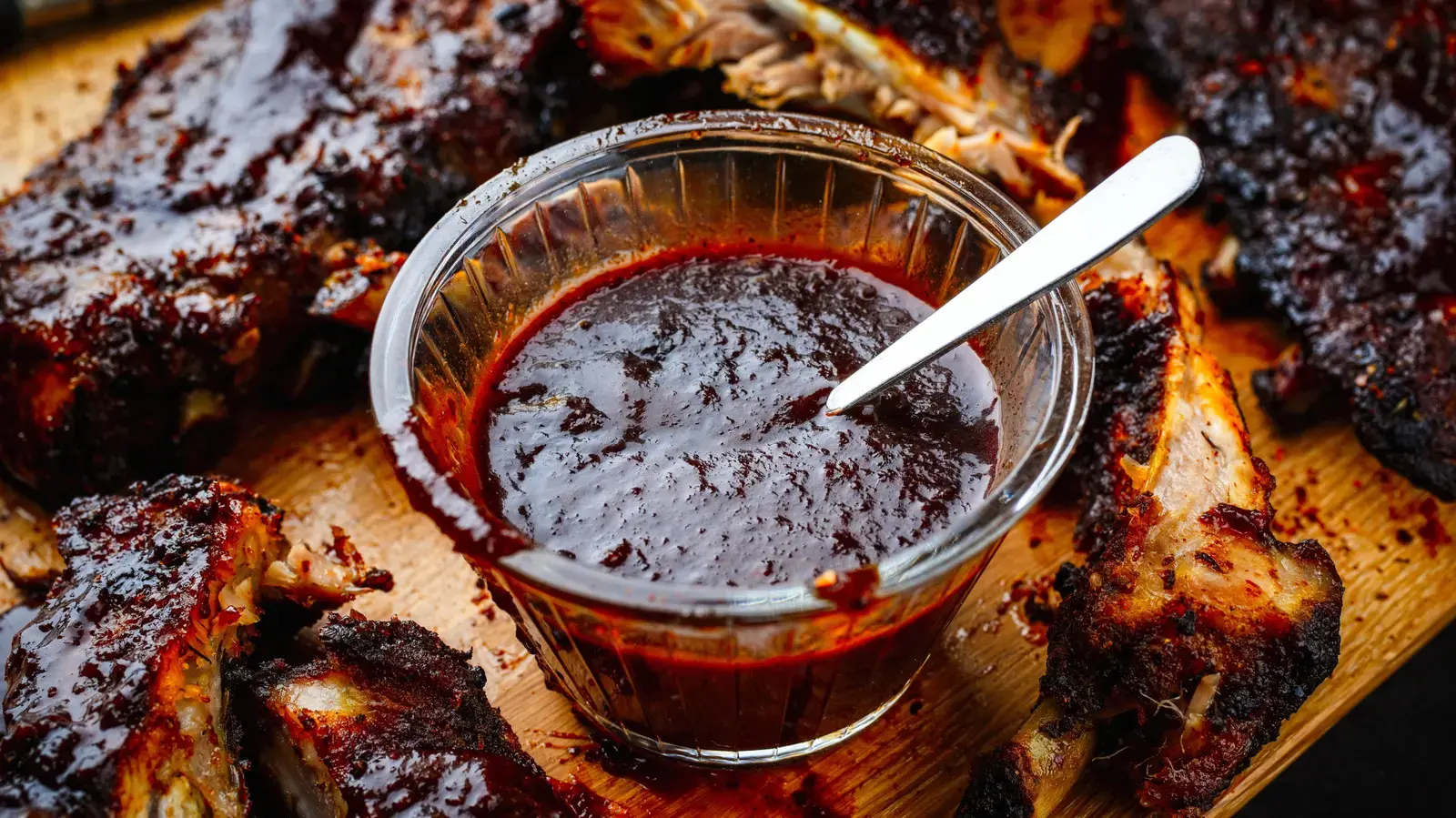
Sticky Pork Ribs Shine Thanks to a Forgotten Pantry Staple
Why Malt Vinegar Transforms the Rib Glaze
A slow‑cooked pork rib recipe that coats the meat in a glossy, sweet‑tart glaze is gaining buzz online. The dish, popularized by home cooks on food forums, hinges on a single ingredient that many kitchens overlook: malt vinegar. The sauce combines brown sugar, soy sauce, garlic, and a splash of the vinegar, then simmers for hours until the ribs are tender and the glaze clings like lacquer.
Latest news
 Costco's Frozen Dumpling Lineup, Ranked From Least To Most Tasty
 Best stainless-steel frying pans 2026: expert-tested picks for searing, eggs and daily cooking
 Trader Joe’s First‑Time Shopper Guide: Must‑Try Items
 Panda Express vs P.F. Chang's: Which Orange Chicken Is Healthier?
The secret lies in the vinegar’s acidity, which balances the sugar’s richness while breaking down the meat’s fibers. Cooks report that a tablespoon of malt vinegar per batch yields a glossy finish without overwhelming the flavor. The method, first shared on a cooking blog in early 2024, quickly spread through social media, prompting a surge in searches for the „malt‑vinegar rib glaze.” Food writers note that the ingredient, once a staple in British kitchens, has slipped from everyday use in the U. S., making the recipe a nostalgic nod to pantry basics.
Malt vinegar, distilled from malted barley, offers a milder, slightly nutty tang compared with white or apple cider varieties. When mixed with brown sugar and soy sauce, it creates a balanced sweet‑sour profile that caramelizes without burning. Chef Luis Ramirez, who tested the recipe for a local food magazine, explained, „The acidity cuts through the fat, letting the sugar caramelize evenly. It also adds depth that plain lemon juice can’t match.”
Can You Substitute Malt Vinegar with Something Else?
The glaze’s thick texture results from reducing the mixture over low heat, allowing the sugars to concentrate. Adding the vinegar early in the reduction prevents the glaze from becoming too sharp. Home cooks who omitted the vinegar reported a cloying sweetness and a thinner sauce that failed to adhere. The recipe also suggests a brief rest after cooking, letting the ribs absorb the glaze for an extra layer of flavor.
Many wonder if alternatives like apple cider or rice vinegar will work. While they can mimic the acidity, they lack malt vinegar’s distinctive malted undertone. Substituting may alter the final taste, making the glaze either too sharp or too bland. Some chefs recommend a blend of half malt vinegar and half apple cider to retain complexity while using what’s on hand. However, purists argue that the authentic flavor only emerges with genuine malt vinegar, a product still stocked in many bulk stores but often ignored.
The rising interest in this simple rib recipe highlights a broader trend: rediscovering forgotten pantry items to elevate everyday cooking. As more home chefs experiment, malt vinegar could see a resurgence, prompting manufacturers to increase production and retailers to promote it alongside more popular condiments.
Frequently Asked Questions
What type of pork ribs work best for this glaze? Spare ribs or baby back ribs both respond well, but spare ribs offer more surface area for the sauce to cling.
How long should the ribs cook before glazing? Cook the ribs low and slow for 2–3 hours until tender, then brush on the glaze and finish under a broiler for 5–7 minutes.
Can the glaze be made ahead of time? Yes, store the reduced sauce in the refrigerator for up to a week; reheat gently before applying to the ribs.
Content written by [email protected] (Amy Andrews) for fancy-meals.com editorial team, AI-assisted.