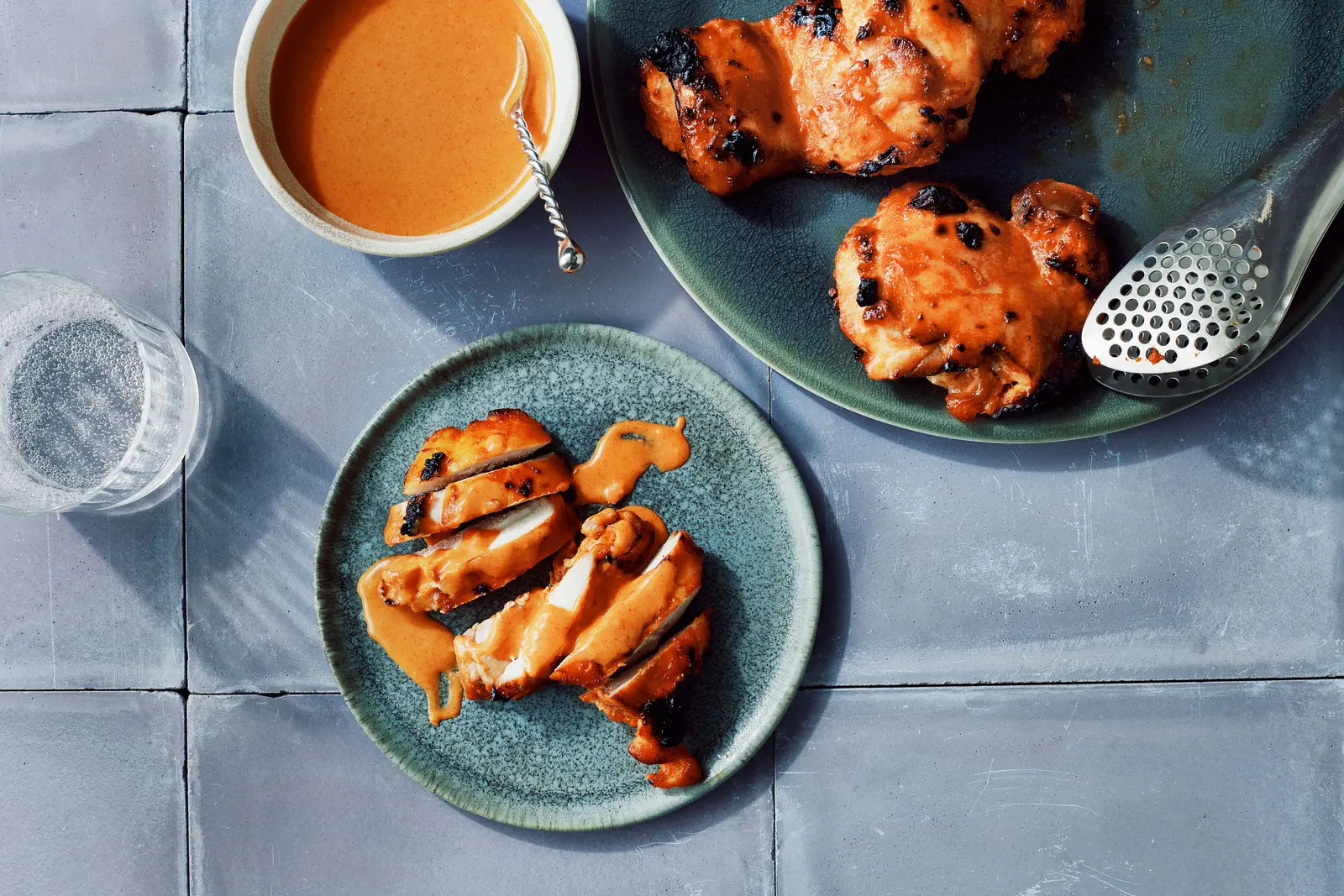
Spicy Gochujang Yogurt Marinade Becomes Staple for Home Cooks
Why This Combination Works
A vibrant new chicken recipe has captured the attention of culinary enthusiasts. The dish combines Korean chili paste with tangy yogurt. This combination creates a bold flavor profile that stands out. The recipe features a balance of heat, acidity, and sweetness. It serves as a reliable option for busy weeknight dinners. The preparation is straightforward yet yields impressive results. This approach simplifies complex international flavors for everyday kitchens.
Latest news
 Costco's Frozen Dumpling Lineup, Ranked From Least To Most Tasty
 Best stainless-steel frying pans 2026: expert-tested picks for searing, eggs and daily cooking
 Trader Joe’s First‑Time Shopper Guide: Must‑Try Items
 Panda Express vs P.F. Chang's: Which Orange Chicken Is Healthier?
The core of this dish lies in its unique marinade. Gochujang provides deep, fermented spice. Plain yogurt adds creaminess and tenderizes the meat. Together, they form a thick coating on the chicken pieces. The result is a crust that is slightly charred outside. Inside, the meat remains juicy and flavorful. This technique transforms standard chicken breasts or thighs into a gourmet meal. The interplay of ingredients prevents the dish from becoming overly spicy. Instead, the yogurt softens the kick of the chili paste. This makes the dish accessible to those who prefer moderate heat levels.
The chemistry behind this recipe is simple but effective. Lactic acid in yogurt breaks down proteins gently. This process ensures the chicken stays moist during cooking. Meanwhile, gochujang contributes complex umami notes. These flavors deepen as the marinage time increases. A minimum of thirty minutes allows the spices to penetrate. However, longer marination up to twelve hours enhances depth. The sweetness in the paste balances the sharpness of the chili. This equilibrium appeals to a wide range of palates. Chefs recommend using high-quality gochujang for best results. Lower quality pastes can taste too salty or one-dimensional.
Many home cooks wonder if other dairy products work. Greek yogurt is a common alternative due to its thickness. It clings better to the chicken surface. Regular sour cream can also be used in a pinch. However, it may add a sharper tang than desired. Buttermilk offers a thinner consistency that penetrates quickly. It works well for smaller pieces of meat. For the best texture, full-fat yogurt is preferred. It creates a richer coating that browns beautifully. Light versions may dry out during high-heat cooking. Experimentation is encouraged to find personal preference.
Can You Substitute the Yogurt?
This trend highlights a growing interest in global pantry staples. Home cooks are moving beyond basic herbs and spices. Fermented ingredients like gochujang are gaining mainstream popularity. They offer distinct flavors that mass-produced sauces lack. The ease of preparation encourages frequent use. This dish fits into various dietary needs easily. It is naturally gluten-free if plain yogurt is chosen. It also pairs well with rice or fresh salads. As more people seek quick yet flavorful options, this recipe thrives. It represents a shift toward authentic, ingredient-focused cooking. The future of home dining looks increasingly diverse. Simple combinations of global ingredients will continue to rise. This specific marinade exemplifies that broader culinary movement. Frequently Asked Questions How long should the chicken marinate? At least thirty minutes is required for flavor absorption. Up to twelve hours is recommended for maximum tenderness. Avoid exceeding twenty-four hours to prevent texture breakdown.
Can I use bone-in chicken? Yes, bone-in pieces work well with this marinade. The fat adds extra moisture during cooking. Ensure the skin is patted dry before applying the mixture.
Is this recipe suitable for grilling? Absolutely, the marinade excels on a grill. The sugars in the gochujang caramelize nicely. Monitor closely to prevent burning during the final minutes.
Content written by Hana Asbrink for fancy-meals.com editorial team, AI-assisted.