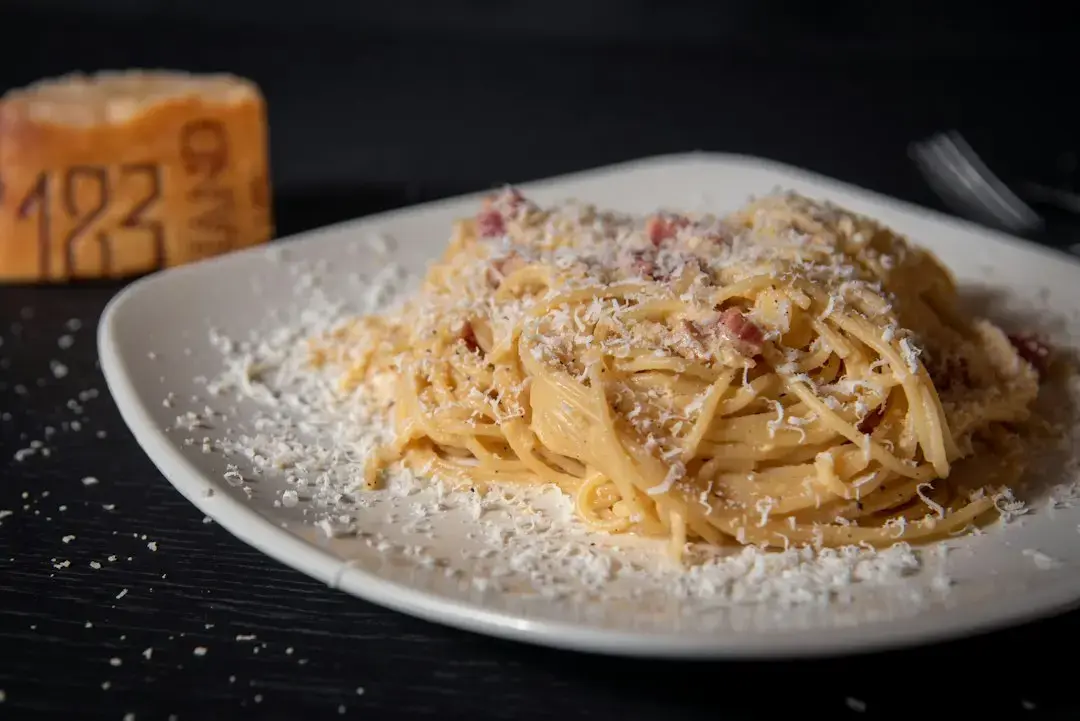
Shrimp and Pancetta Pasta Redefines Classic Italian Dinner
Why Cured Pork Enhances Seafood Flavors
A new approach to seafood pasta combines crisp cubed pancetta with sautéed shrimp, asparagus, and artichoke hearts. The dish features a rich tomato and basil sauce that ties all components together. This combination creates a complex flavor profile distinct from traditional preparations. Home cooks are finding this recipe offers a balanced mix of textures and tastes. It serves as an elevated option for weekend dining or special occasions.
Latest news
 Costco's Frozen Dumpling Lineup, Ranked From Least To Most Tasty
 Best stainless-steel frying pans 2026: expert-tested picks for searing, eggs and daily cooking
 Trader Joe’s First‑Time Shopper Guide: Must‑Try Items
 Panda Express vs P.F. Chang's: Which Orange Chicken Is Healthier?
The addition of pancetta fundamentally alters the character of standard shrimp pasta. Instead of relying on plain olive oil, the fat rendered from the cured pork becomes the primary cooking medium. This process layers a savory and slightly smoky base into the shrimp. Such depth is difficult to achieve with neutral oils alone. The result is a dish that feels celebratory yet remains accessible for home kitchens. It bridges the gap between casual weeknight meals and formal event catering.
The interaction between pork fat and shellfish is the key innovation here. When pancetta cubes are crisped, they release abundant liquid fat. Chefs use this liquid to sauté the shrimp, infusing each piece with umami richness. The smokiness of the cured meat complements the sweetness of the shrimp. Meanwhile, the vegetables provide necessary contrast. Asparagus adds a fresh, grassy note, while artichoke hearts contribute a mild, nutty texture. The tomato and basil sauce acts as a unifying element, coating every ingredient in acidity and herbaceousness. This balance prevents the richness of the pork from overwhelming the delicate seafood.
Can You Substitute Other Cured Meats?
While pancetta is the specified ingredient, other cured pork products may offer similar results. Guanciale, often used in carbonara, provides a deeper, spicier flavor profile. However, it requires careful temperature control to avoid burning. Prosciutto is too dry and salty for this specific method, as it does not render enough fat to cook the shrimp effectively. Sticking to pancetta ensures the correct ratio of rendered oil and solid fat. This consistency guarantees the shrimp cook evenly without drying out. The specific cut and curing process of pancetta make it ideal for this technique.
The trend of combining cured meats with seafood continues to gain traction in modern cuisine. Diners appreciate the complexity that layered fats bring to simple ingredients. This particular recipe demonstrates how minor adjustments can create significant culinary shifts. It encourages home cooks to experiment with unconventional pairings. As food culture evolves, such hybrid dishes will likely become staples in seasonal menus. The success of this pasta highlights the importance of technique over mere ingredient lists. Mastering the rendering process is essential for achieving the desired mouthfeel and taste. Frequently Asked Questions Is this dish suitable for vegetarians? No, the recipe relies heavily on pancetta and shrimp, making it unsuitable for strict vegetarians. However, the vegetable components can be served separately if needed. How long does the entire cooking process take? The preparation and cooking time is approximately thirty minutes.
Most of this time is spent crisping the pancetta and simmering the sauce. Can I use frozen shrimp for this recipe? Yes, frozen shrimp work well if thawed properly before cooking. Ensure they are patted dry to prevent excess water from diluting the sauce.
Content written by Amanda Powell for fancy-meals.com editorial team, AI-assisted.