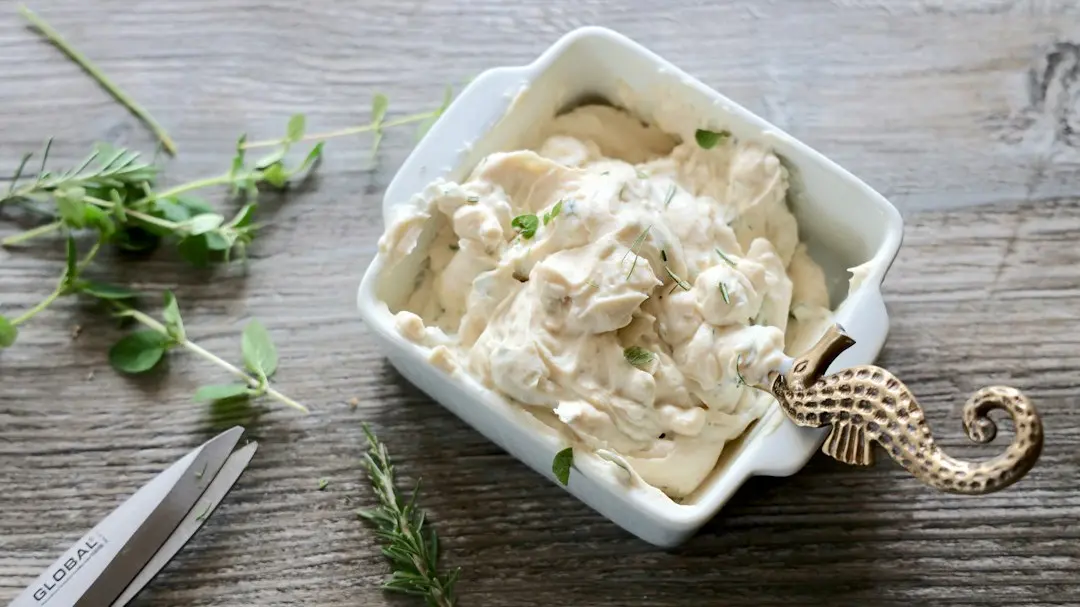
One-Pot Creamy Garlic Tuscan Pasta Delivers Rich Flavor Without Extra Cream
This approach builds richness through reduction and emulsification rather than
A simple one-pot pasta recipe transforms penne into a creamy Tuscan-style dish by cooking it directly in chicken broth and milk, eliminating the need for heavy cream. The method relies on starch released from the pasta to thicken the sauce, while the dairy adds silkiness and depth. Ready in just 25 minutes with minimal cleanup, it offers a practical solution for weeknight dinners without sacrificing taste or texture. The technique avoids the common pitfall of gummy or bland one-pot pastas by balancing liquid ratios and cooking time precisely. As the penne simmers, it absorbs the broth and milk, releasing starch that naturally emulsifies into a cohesive sauce. Garlic, sun-dried tomatoes, and spinach are added later to preserve their flavor and texture, finishing with a sprinkle of Parmesan.
Latest news
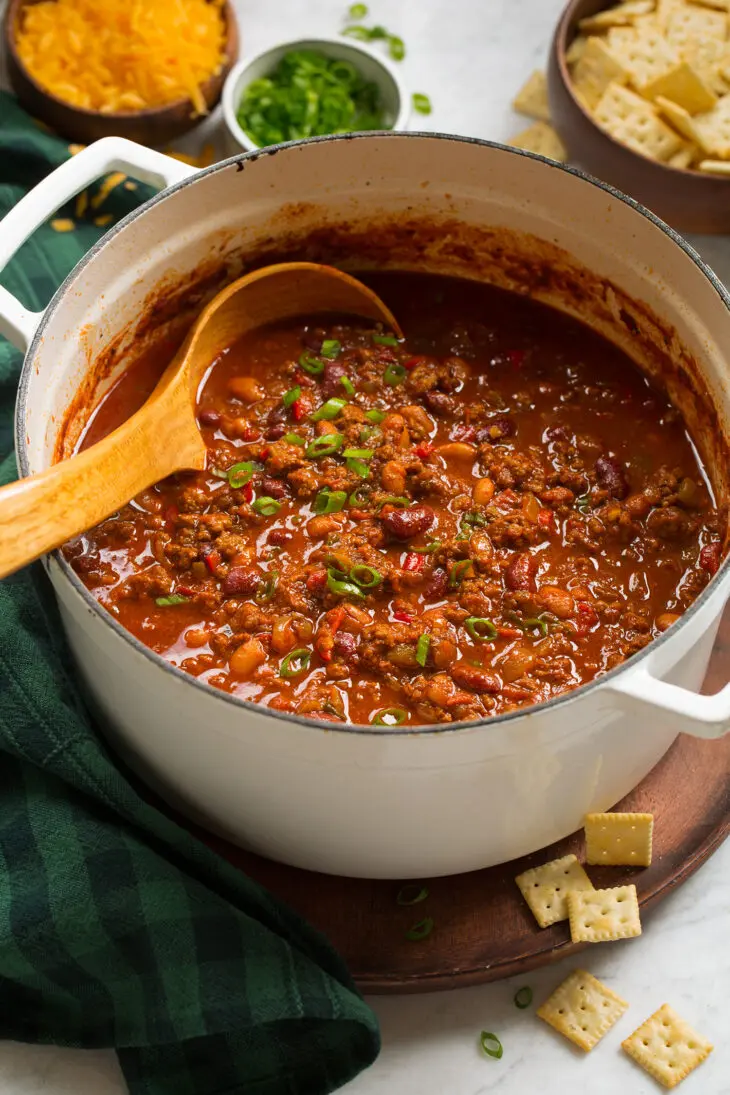 The Ultimate Homemade Chili Recipe for Cold Weather
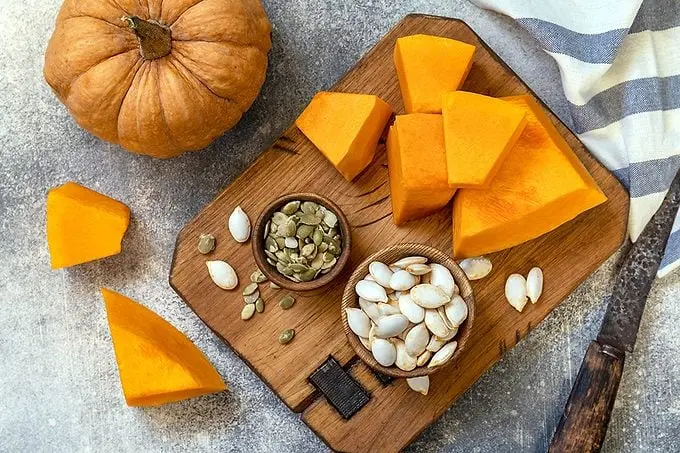 The Nutritional Power of Pumpkin Beyond Seasonal Desserts
 A Culinary Journey Through the 30th Epcot International Food and Wine Festival
 Burger King Unleashes Hello Kitty Kids' Meal with Ultra-Rare Golden Collectible
This approach builds richness through reduction and emulsification rather than relying on high-fat dairy, making it lighter yet satisfying. How Does Starch From the Pasta Create Creaminess? The key to the sauce’s body lies in the pasta itself. As penne cooks in the liquid, its surface starch dissolves into the broth and milk, acting as a natural thickener. This process, similar to making a risotto, creates a velvety coating that clings to each noodle. Unlike traditional methods that require a roux or cream, this starch-based emulsion delivers creaminess with fewer calories and less fat. The milk contributes lactose and proteins that enhance mouthfeel, while the chicken broth provides savory depth.
Together, they form a stable emulsion that resists separation, even after
Together, they form a stable emulsion that resists separation, even after sitting briefly off the heat. Can This Method Work With Other Pasta Shapes? While penne is ideal due to its ridges and hollow center that trap sauce, other shapes like fusilli or farfalle can succeed with adjustments. Shorter cooking times may be needed for smaller pastas like orzo to prevent overcooking, while larger shapes such as rigatoni might require extra liquid. The broth-to-milk ratio remains critical—too little liquid risks scorching, too much dilutes starch concentration. Home cooks should stir frequently early on to prevent sticking, then let the mixture simmer uncovered to reduce and thicken. Testing for doneness a minute before the suggested time ensures al dente texture, as the pasta continues to absorb liquid off the heat. The recipe proves that convenience and quality aren’t mutually exclusive in one-pot cooking.
By leveraging basic ingredients and smart technique, it delivers a restaurant-worthy meal with pantry staples. This method could inspire similar approaches for other creamy pasta dishes, reducing reliance on heavy cream while maintaining indulgence. As home cooks seek efficient, flavorful meals, techniques that build complexity through process rather than added ingredients are likely to gain traction. Frequently Asked Questions Can I use vegetable broth instead of chicken broth? Yes, vegetable broth works well as a substitute, though the flavor will be slightly less savory. For a richer taste, consider adding a splash of white wine or a teaspoon of miso paste to the liquid before cooking. Is it necessary to use milk, or can I use a dairy-free alternative? Unsweetened oat or soy milk can replace dairy milk, as they contain enough protein and fat to mimic creaminess.
Avoid nut milks like almond, which may separate or thin the sauce when heated. How do I prevent the pasta from sticking to the bottom of the pot? Stirring frequently during the first five minutes of cooking prevents sticking, especially as the starch begins to release. Using a heavy-bottomed pot also helps distribute heat evenly and reduces hot spots.
Content written by Kalle Bergman for fancy-meals.com editorial team, AI-assisted.