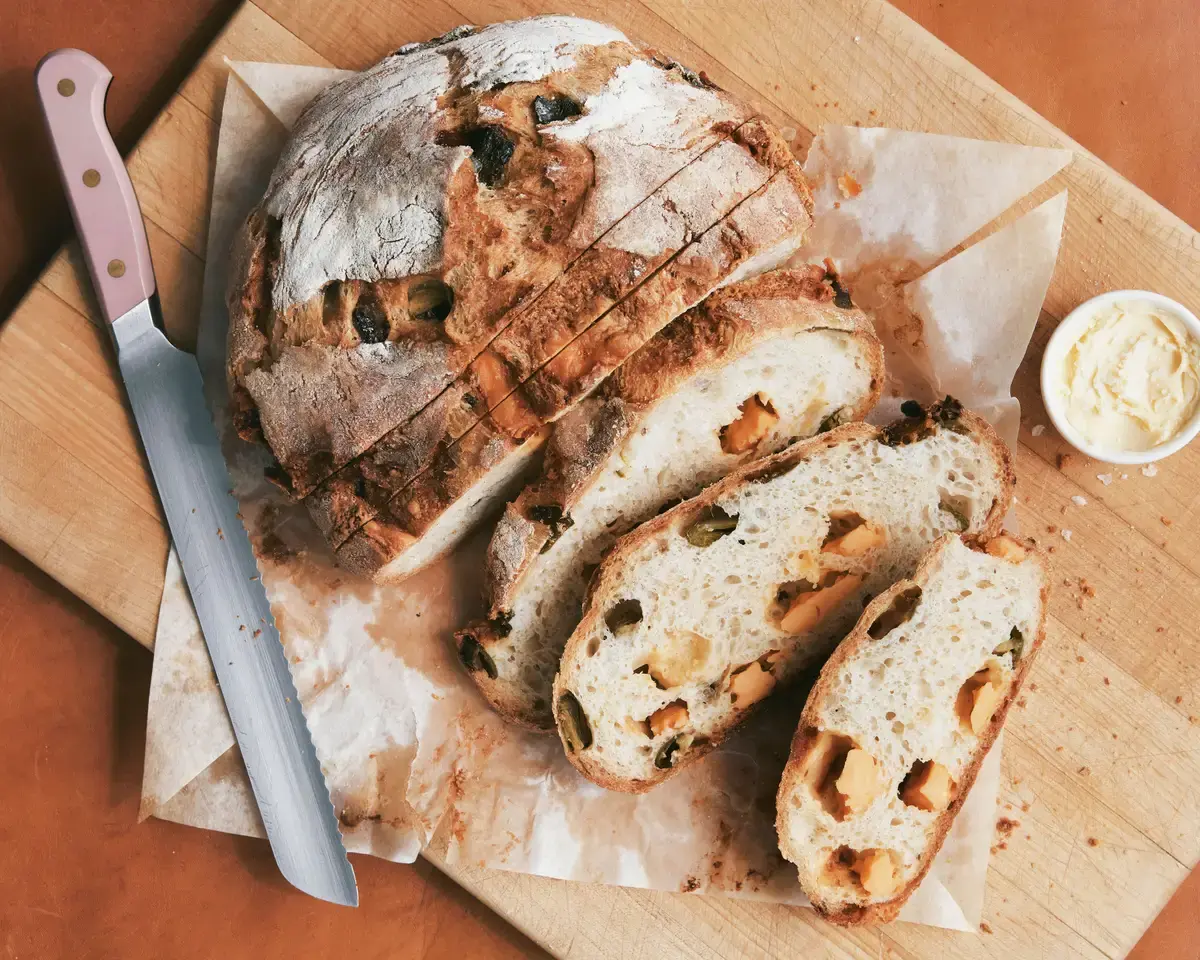
No‑Knead Bread Made Simple: Nine Recipes for Home Bakers
From Pretzel‑Soft Focaccia to Pizza Perfection
Home cooks across the country are discovering that fresh, crusty loaves no longer require a heavy arm or a professional kitchen. A new collection of nine no‑knead bread recipes promises pretzel‑soft focaccia, pizza dough that rises on its own, and other beginner‑friendly breads. The guide arrives as interest in home baking spikes after recent TV cooking shows highlighted the pitfalls of traditional kneading.
Latest news
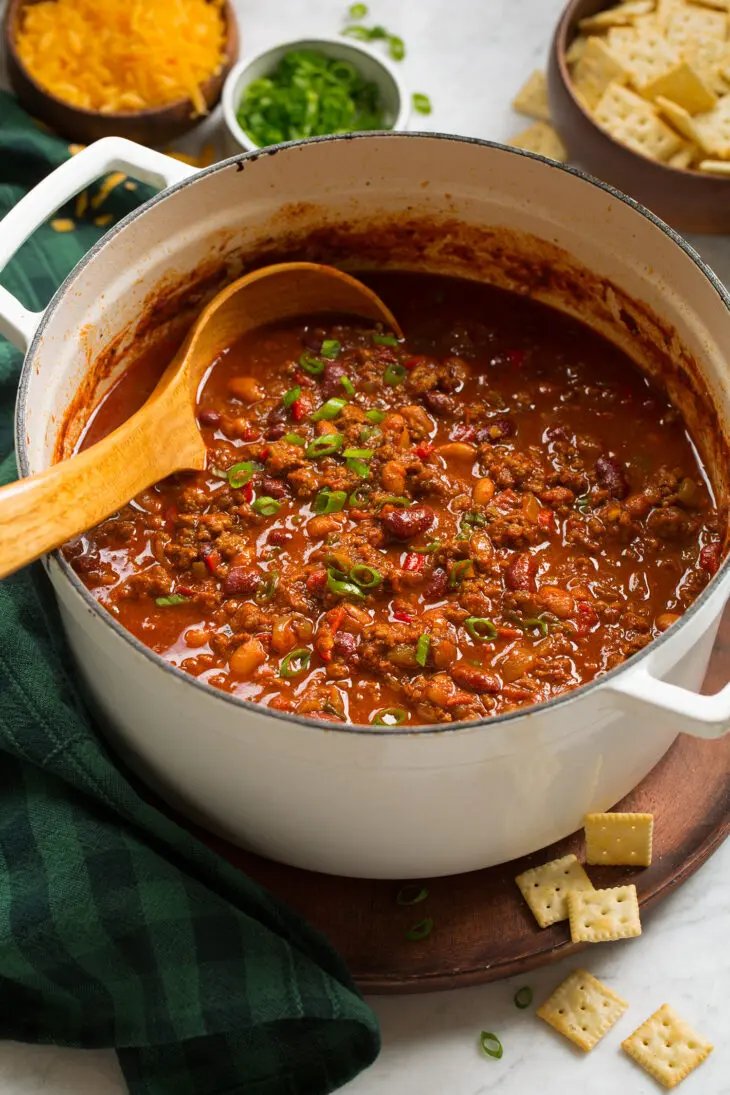 The Ultimate Homemade Chili Recipe for Cold Weather
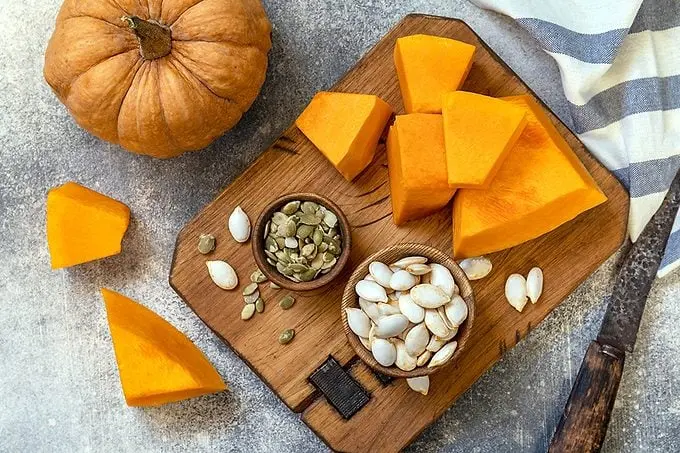 The Nutritional Power of Pumpkin Beyond Seasonal Desserts
 A Culinary Journey Through the 30th Epcot International Food and Wine Festival
 Burger King Unleashes Hello Kitty Kids' Meal with Ultra-Rare Golden Collectible
The recipes strip away the labor‑intensive steps that often scare novices. By mixing flour, water, salt, and a tiny amount of yeast, then letting the dough rest for hours, bakers achieve airy crumbs and crisp crusts without a single push. The method reduces the risk of over‑mixing, which can make breads dense or dry, a common complaint among viewers of baking competitions. Experts say the long fermentation develops flavor while keeping the process forgiving, allowing even first‑time bakers to succeed.
One standout recipe mimics the chewy texture of pretzel focaccia, using a simple dough that rests overnight. When baked, the loaf develops a golden crust and a tender interior, perfect for dipping in olive oil. Another recipe offers an easy pizza dough that rises on the counter, eliminating the need for a warm oven. Home chefs can top the base with sauce and cheese, then bake it in a standard home oven for a restaurant‑style slice. The collection also includes classic French boules, rustic whole‑grain loaves, and a quick „soda‑bread” style loaf that skips yeast entirely. Testers report that the aroma of baking fills kitchens within minutes, and the results look bakery‑worthy despite the minimal effort.
Why Are No‑Knead Breads Gaining Popularity Now?
The surge in no‑knead baking aligns with a broader shift toward low‑maintenance cooking at home. Pandemic lockdowns gave people more time to experiment, while social media platforms spread the word about easy recipes. Nutritionists note that homemade bread often contains fewer preservatives than store‑bought varieties, and the slow fermentation can improve digestibility. Moreover, the method’s reliance on basic pantry staples makes it accessible to a wide audience, regardless of budget. As more households adopt the technique, bakers anticipate a rise in creative variations, such as herb‑infused focaccias and sweet cinnamon rolls, all using the same hands‑off approach.
The growing enthusiasm for no‑knead breads suggests a lasting change in home cooking habits. As people become more confident with simple doughs, they may explore more complex baking projects, enriching their culinary repertoire. Retailers could see increased demand for specialty flours and artisan‑style toppings, while cooking schools might incorporate the method into beginner classes. The trend points to a future where fresh, homemade bread is a staple rather than an occasional treat.
Frequently Asked Questions
Do I need a special mixer or equipment for no‑knead bread? No. The method only requires a large bowl, a spoon or spatula, and a baking pan or Dutch oven.
How long should the dough rest before baking? Most recipes call for a 12‑ to 18‑hour room‑temperature rise, though some can be refrigerated for up to 24 hours.
Can I add herbs or cheese to the dough? Yes. Fold in herbs, grated cheese, or spices during the brief mixing stage for extra flavor.
Content written by Victoria Lane for fancy-meals.com editorial team, AI-assisted.