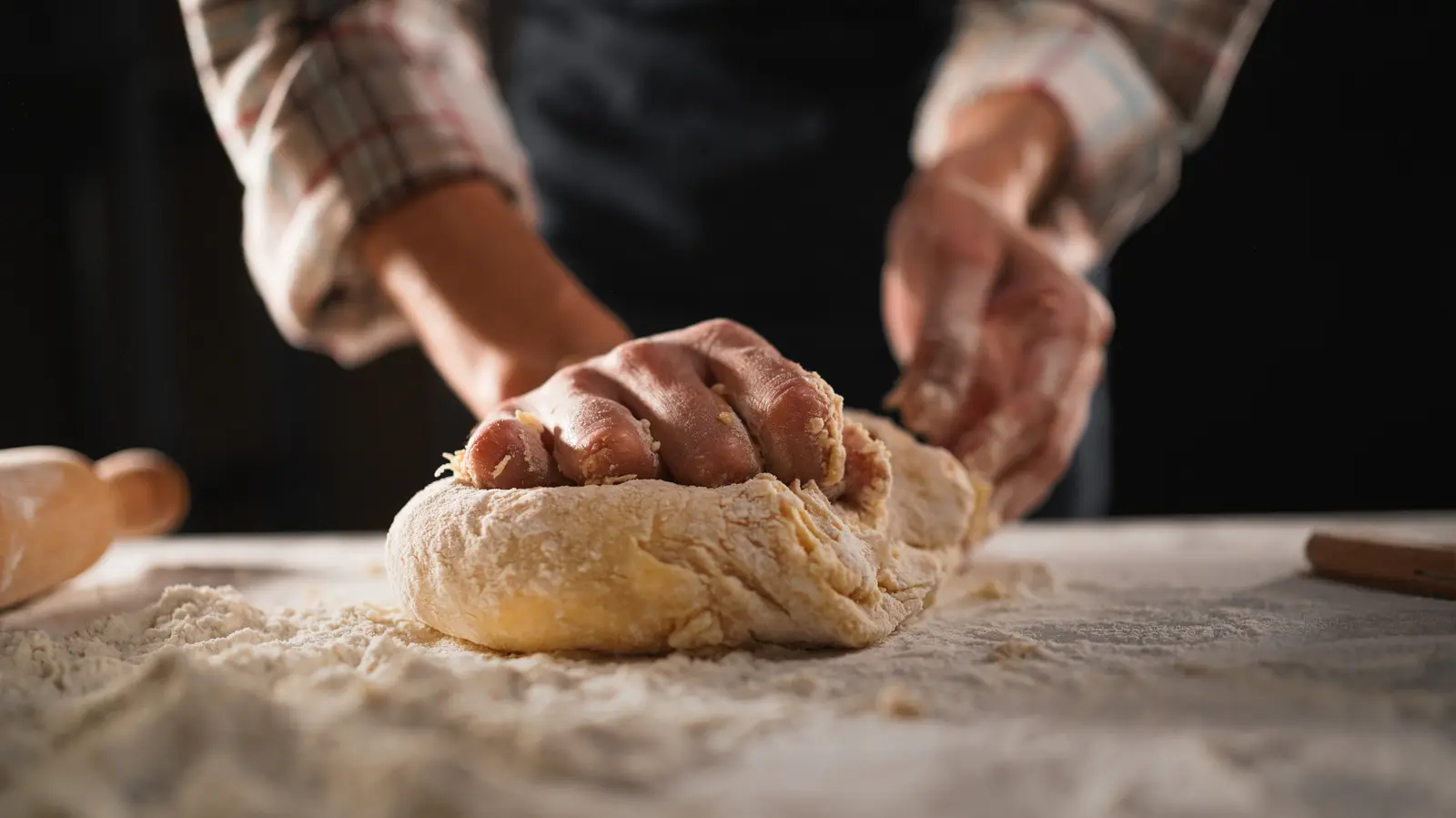
The Simple Rule That Transforms Homemade Bread
Doubling the Rise: Why Size Matters
A baker in Portland, Oregon, discovered that a single adjustment to the rising process can dramatically improve the flavor, texture, and crust of any loaf. The change involves letting the dough rise until it doubles in size before shaping and baking, rather than the usual 45‑minute wait.
Latest news
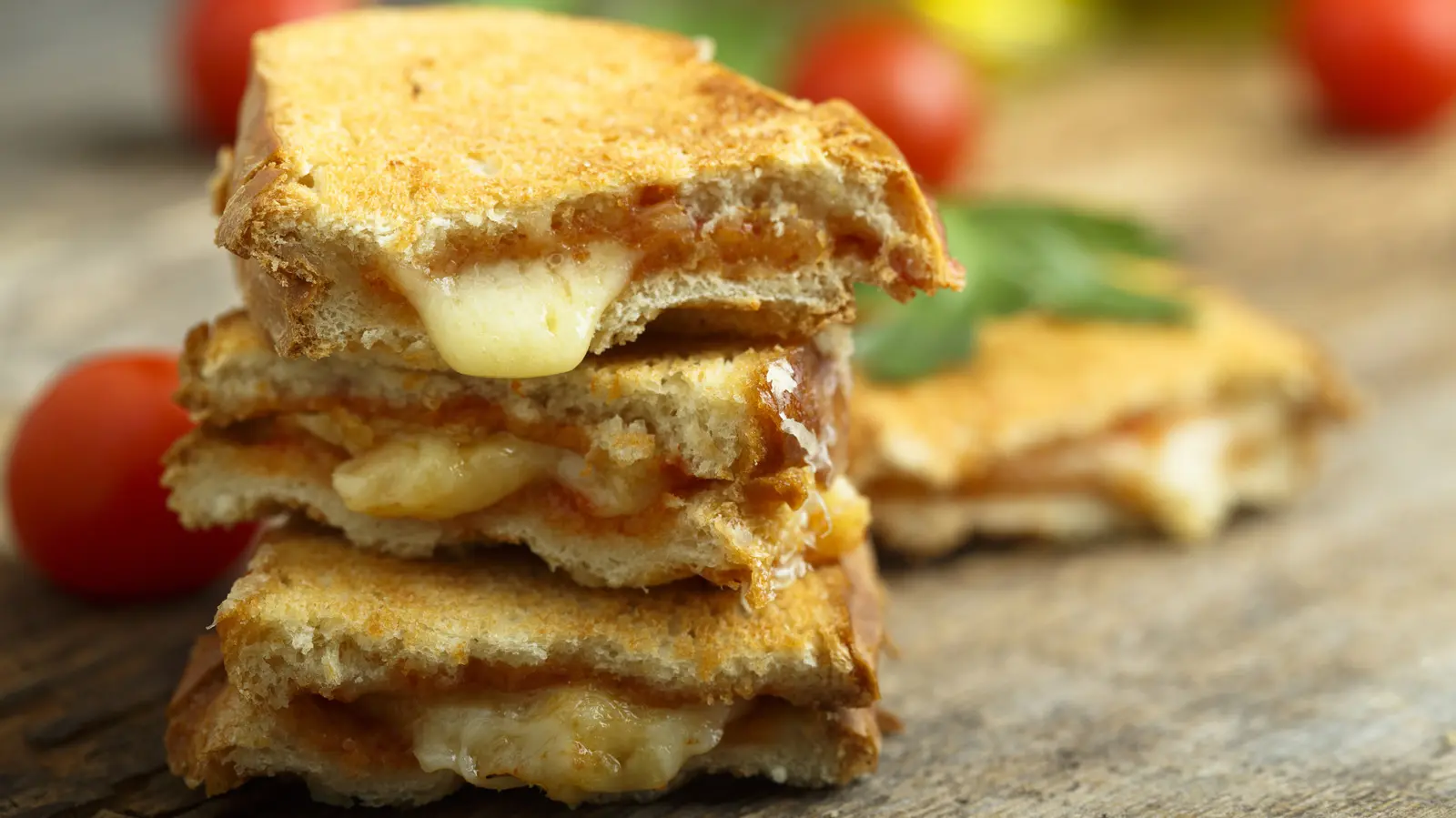 Prosciutto Elevates the Classic Grilled Cheese Sandwich
 Costco Frozen Shrimp Rivals Steakhouse Appetizers
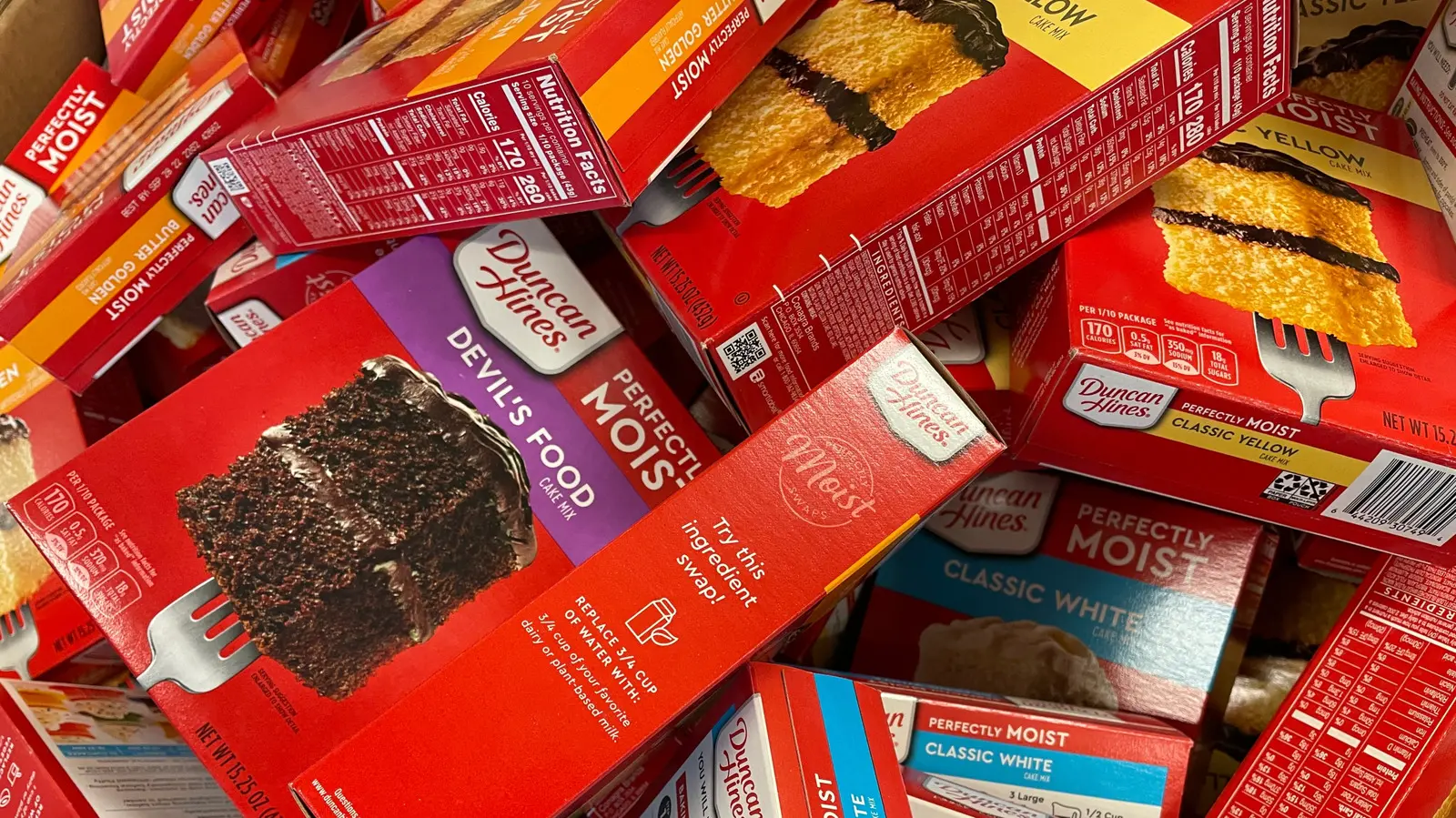 Skip Store‑Shelf German Chocolate for This Rich Duncan Hines Cake Mix
 Severed Sun: A Blood-Red Bourbon Halloween Cocktail
The technique was first tested in a small kitchen in early October. After a week of experimenting, the baker noticed that loaves baked after the dough had doubled were noticeably lighter, with a chewier crumb and a crisp, golden crust. The method has since spread to home bakers and small cafés across the Pacific Northwest.
Is a Longer Rise Worth the Extra Time?
When dough is left to rise, yeast ferments sugars, producing carbon dioxide that expands the gluten network. If the dough is shaped too early, the gluten has not fully relaxed, and the loaf may collapse or develop a dense crumb. By allowing the dough to double, the gluten has time to develop fully, and the gas pockets expand evenly. The result is a loaf that rises higher in the oven, giving it a lighter texture.
Experts say the doubled rise also enhances flavor. The extended fermentation allows more time for natural acids to develop, giving the bread a subtle tang that balances the sweetness of the flour. „It’s the difference between a plain sandwich loaf and a bakery‑quality bread,” notes pastry chef Maya Patel, who has incorporated the rule into her own small‑batch bakery.
How to Tell When the Dough Has Doubled
Many home bakers wonder if the extra waiting period is practical. The answer depends on the recipe. For a basic white loaf, the dough can be left to double in a warm, draft‑free spot for 1.5 to 2 hours. For whole‑grain or sourdough, the process may take 3 to 4 hours, or even overnight in a cooler environment. Bakers can use the time to prepare other ingredients or clean the kitchen.
The rule also helps with consistency. „When I let the dough double, I see less variation between batches,” says chef Patel. „It’s a simple check that tells me the dough is ready.”
The Broader Impact on Home Baking
A practical way to gauge readiness is the „finger test.” Gently press a fingertip into the dough; if the indentation springs back slowly, the dough has likely doubled. Another method is to measure the loaf’s volume with a ruler or a digital scale. A loaf that has doubled will weigh roughly twice its original weight.
Bakers should also watch for visual cues. The dough should appear plumper and have a smoother surface. If it still looks flat, give it more time.
Frequently Asked Questions
Adopting the doubling rule has ripple effects. Bakers report fewer cracked crusts, better oven springs, and a more satisfying overall loaf. The technique also reduces the need for corrective measures, such as adding extra flour or adjusting oven temperature.
The rule is simple enough for beginners yet powerful enough for seasoned bakers. It underscores the importance of patience and observation in the art of bread making.
Content written by [email protected] (Lindsey Reynolds) for fancy-meals.com editorial team, AI-assisted.