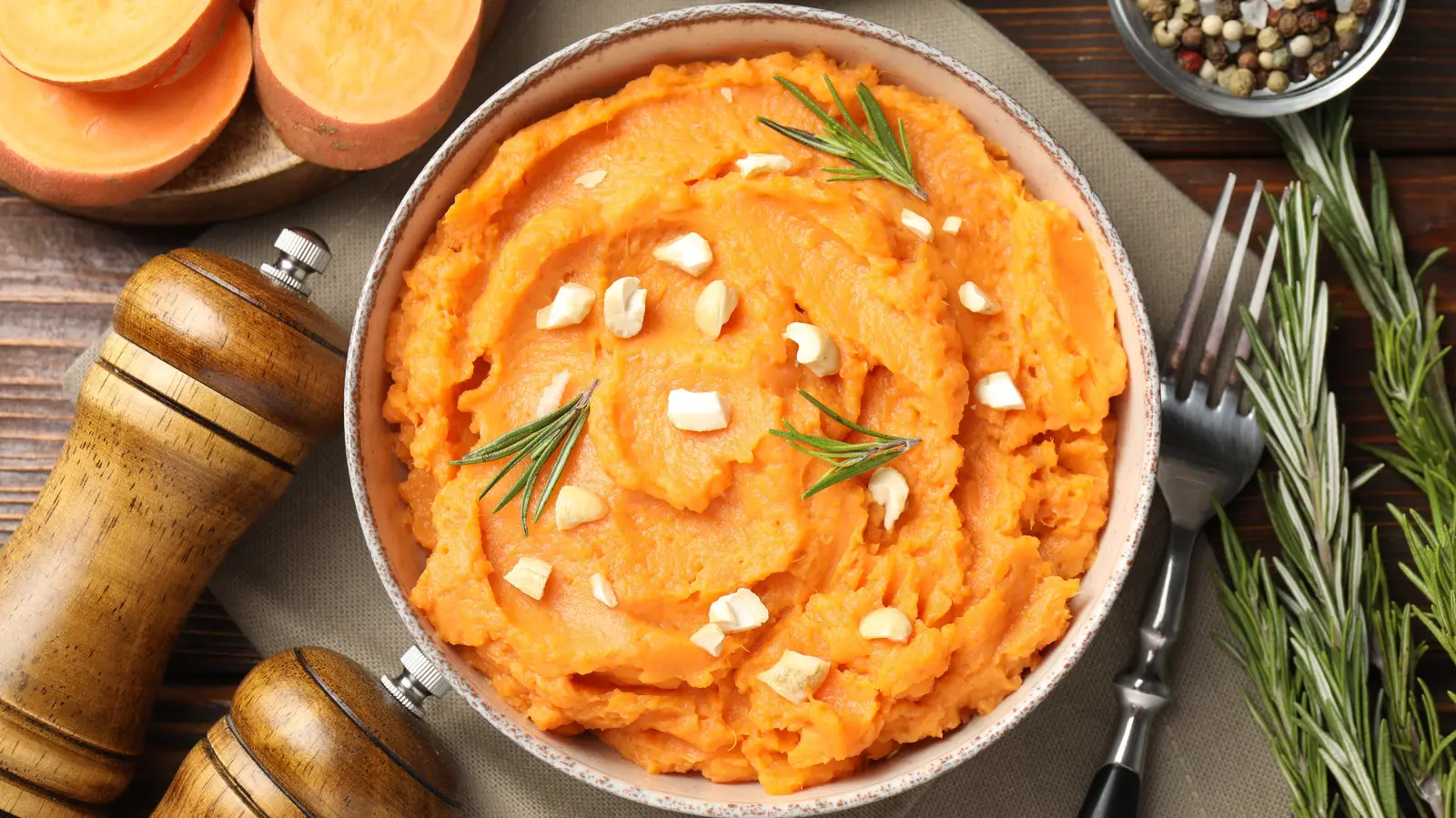
Mashed Sweet Potatoes Gain Flavor With One Specific Butter Swap
Why Brown Butter Elevates Sweet Potato Dishes
Home cooks seeking a richer side dish can double the flavor profile of mashed sweet potatoes by changing their fat source. This simple adjustment transforms a standard holiday staple into a gourmet experience. The technique relies on using a specific type of butter rather than standard varieties. It offers a quick solution for those wanting more depth without complex recipes. This method is gaining popularity among culinary enthusiasts who value texture and taste. The change is subtle yet impactful on the final dish.
Latest news
 Costco's Frozen Dumpling Lineup, Ranked From Least To Most Tasty
 Best stainless-steel frying pans 2026: expert-tested picks for searing, eggs and daily cooking
 Trader Joe’s First‑Time Shopper Guide: Must‑Try Items
 Panda Express vs P.F. Chang's: Which Orange Chicken Is Healthier?
The key ingredient is brown butter. Unlike regular salted or unsalted butter, brown butter has been cooked until the milk solids turn a nutty brown color. This process, known as the Maillard reaction, creates complex caramelized notes. When mixed into mashed sweet potatoes, it adds a savory, toasty dimension that plain butter lacks. The water content in regular butter can also make the mash watery. Brown butter is drier, allowing the starches to absorb the fat more effectively. This results in a creamier consistency with a more intense flavor profile.
The chemical change in brown butter is the primary driver of this flavor boost. Heating butter breaks down lactose and proteins. These components caramelize, releasing aromatic compounds that pair well with the natural sugars in sweet potatoes. The nutty aroma complements the earthy sweetness of the root vegetable. Chefs often use this technique in French cuisine for sauces and pastries. Applying it to a humble side dish brings a professional touch to home cooking. The contrast between the sweet potato and the savory butter creates a balanced palate. This combination works particularly well during autumn and winter months.
Does This Technique Work With Other Mashes?
Many cooks find that the preparation time is minimal. It takes only a few extra minutes to brown the butter. You simply melt it in a saucepan and wait for the foam to subside. The liquid turns golden, and the solids at the bottom darken. Straining the butter removes the solids if a smoother texture is desired. However, leaving some solids in adds extra crunch and flavor. The result is a side dish that feels luxurious. It requires no additional spices or sweeteners to achieve this depth. The inherent quality of the butter does the heavy lifting.
This method is not limited to sweet potatoes. Brown butter enhances the flavor of regular mashed potatoes as well. It pairs nicely with cauliflower mash and parsnip purées. The nutty notes cut through the starchiness of root vegetables. Many home chefs report that the dish tastes restaurant-quality. The technique also works with roasted vegetables. Tossing roasted carrots or beets in brown butter adds a similar savory layer. The versatility makes it a valuable skill for any cook. It encourages experimentation with basic ingredients.
The trend reflects a broader interest in simple, high-impact cooking techniques. Home cooks are moving away from heavy cream and excessive sugar. They prefer methods that highlight the natural taste of ingredients. Brown butter fits this philosophy perfectly. It is a pantry staple that requires no special shopping. The impact on the final dish is significant. It turns a standard side into a memorable part of the meal. This small change demonstrates how technique can rival ingredient quality.
Frequently Asked Questions
Can I use ghee instead of brown butter? Yes, ghee is clarified butter with the milk solids removed. It has a similar nutty flavor but is already browned. It works well for those who want to skip the browning step.
How long does it take to brown butter? It typically takes five to eight minutes on medium heat. You must watch it closely to prevent burning. The liquid should turn a light golden brown.
Is brown butter healthier than regular butter? It contains slightly less water and lactose. The fat content remains similar. It is not inherently healthier but offers a different flavor profile.
Content written by [email protected] (Amanda Berkey) for fancy-meals.com editorial team, AI-assisted.