Japanese Beef Rice Bowl Recipe Gains Culinary Attention
Balancing Textures in a Simple Bowl
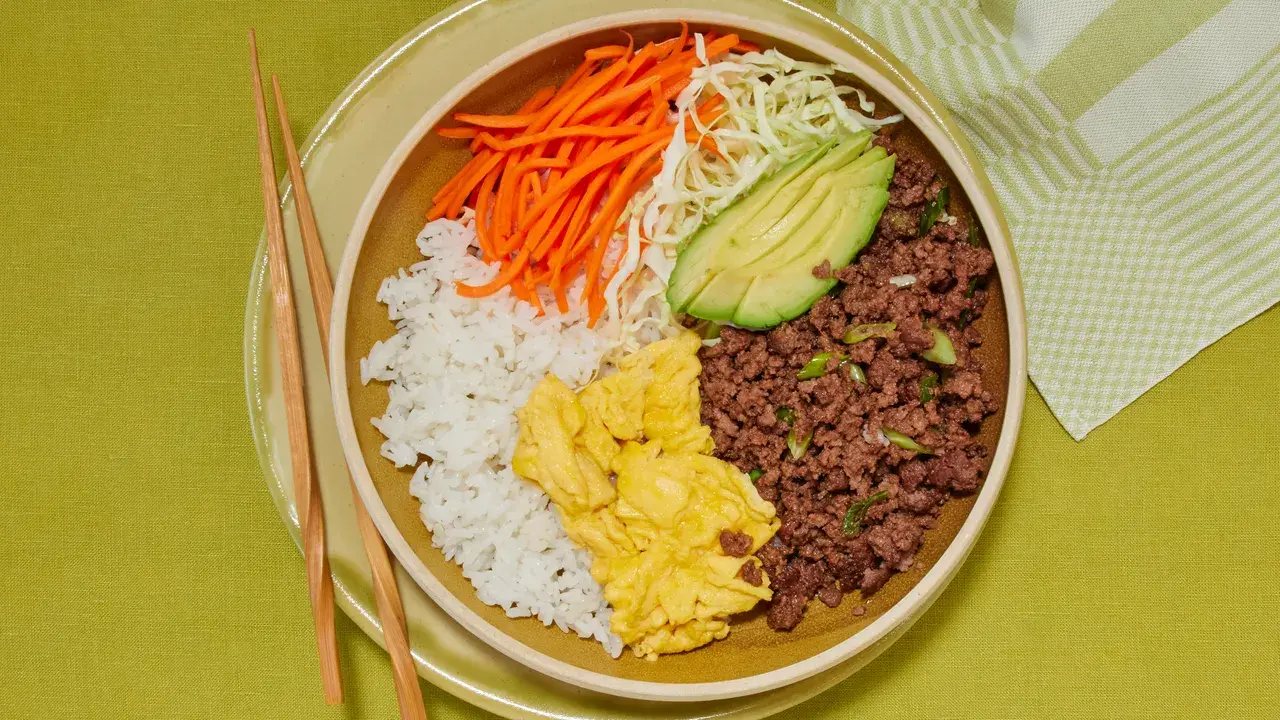
A savory Japanese dish known as soboro don has emerged as a standout recipe in recent culinary circles. Developed by chefs Tadashi Ono and Harris Salat, this meal centers on a simple bowl of steamed rice. The dish features seasoned ground beef mixed with crisp vegetables. Fluffy scrambled eggs are added to create a comforting texture. This combination transforms basic ingredients into a hearty and satisfying plate. The recipe was officially published on September 30, 2026. It quickly garnered attention for its approachable nature and rich flavor profile.
Latest news
 Costco's Frozen Dumpling Lineup, Ranked From Least To Most Tasty
 Best stainless-steel frying pans 2026: expert-tested picks for searing, eggs and daily cooking
 Trader Joe’s First‑Time Shopper Guide: Must‑Try Items
 Panda Express vs P.F. Chang's: Which Orange Chicken Is Healthier?
The preparation method relies on traditional Japanese cooking techniques adapted for home kitchens. Chefs emphasize the importance of balancing salty, sweet, and umami flavors. Ground beef is cooked until it loses its pink color and becomes tender. Vegetables are sautéed separately to maintain their crunch before being combined. Eggs are scrambled gently to ensure they remain soft and creamy. This specific layering technique prevents the rice from becoming soggy. The result is a harmonious blend of textures that appeals to many diners.
The success of this dish depends heavily on the quality of individual components. High-quality ground beef provides a deep, meaty base for the sauce. Fresh vegetables add necessary brightness against the richness of the meat. The scrambled eggs act as a binding agent, coating each grain of rice. This structural integrity allows the bowl to hold together when eaten with chopsticks or a spoon. Chefs note that the contrast between hot rice and cool toppings enhances the eating experience. The visual presentation is equally important, with distinct layers visible in the bowl.
Why Home Cooks Are Embracing This Dish
Critics have praised the recipe for its accessibility and depth of flavor. It does not require expensive equipment or rare ingredients. Most home cooks can assemble the meal within thirty minutes. The seasoning mix typically includes soy sauce, mirin, and sugar. These staples create a glossy glaze that clings to the beef. The aroma released during cooking fills the kitchen with inviting scents. This sensory appeal contributes significantly to the dish's popularity among food enthusiasts.
The rise in popularity reflects a broader trend toward efficient yet flavorful meals. Busy individuals seek comfort food that feels special without extensive effort. Soboro don fits this category perfectly due to its quick assembly time. It serves as a versatile option for lunch or dinner. The dish can be customized with additional toppings like pickled ginger or nori. This flexibility encourages experimentation while maintaining the core structure. Social media platforms have amplified its reach through visual sharing. Users post photos of their homemade versions, inspiring others to try the recipe.
Looking ahead, this dish may become a staple in modern Japanese-inspired home cooking. Its simplicity ensures it remains accessible to beginners and experts alike. Restaurants may begin featuring it on menus to cater to casual dining preferences. The focus on fresh, high-quality ingredients aligns with current health trends. As more people seek authentic yet convenient options, soboro don stands out. It offers a genuine taste of Japan without the complexity of traditional kaiseki courses. The future of this dish looks bright as it continues to gain traction globally.
Frequently Asked Questions
What specific type of beef works best? Ground beef with a moderate fat percentage is ideal. This ensures the meat stays moist and flavorful during the cooking process. Leaner cuts may dry out quickly under heat.
Can I use pre-cooked rice? Yes, pre-cooked rice is acceptable if it is warmed properly. The grains must be fluffy and separate to absorb the sauce effectively. Cold, compacted rice will not work well.
How long does the dish keep? It is best consumed immediately after preparation. Leftovers can be stored in the refrigerator for up to two days. Reheat gently to restore the texture of the eggs.
Content written by Tadashi Ono & Harris Salat for fancy-meals.com editorial team, AI-assisted.