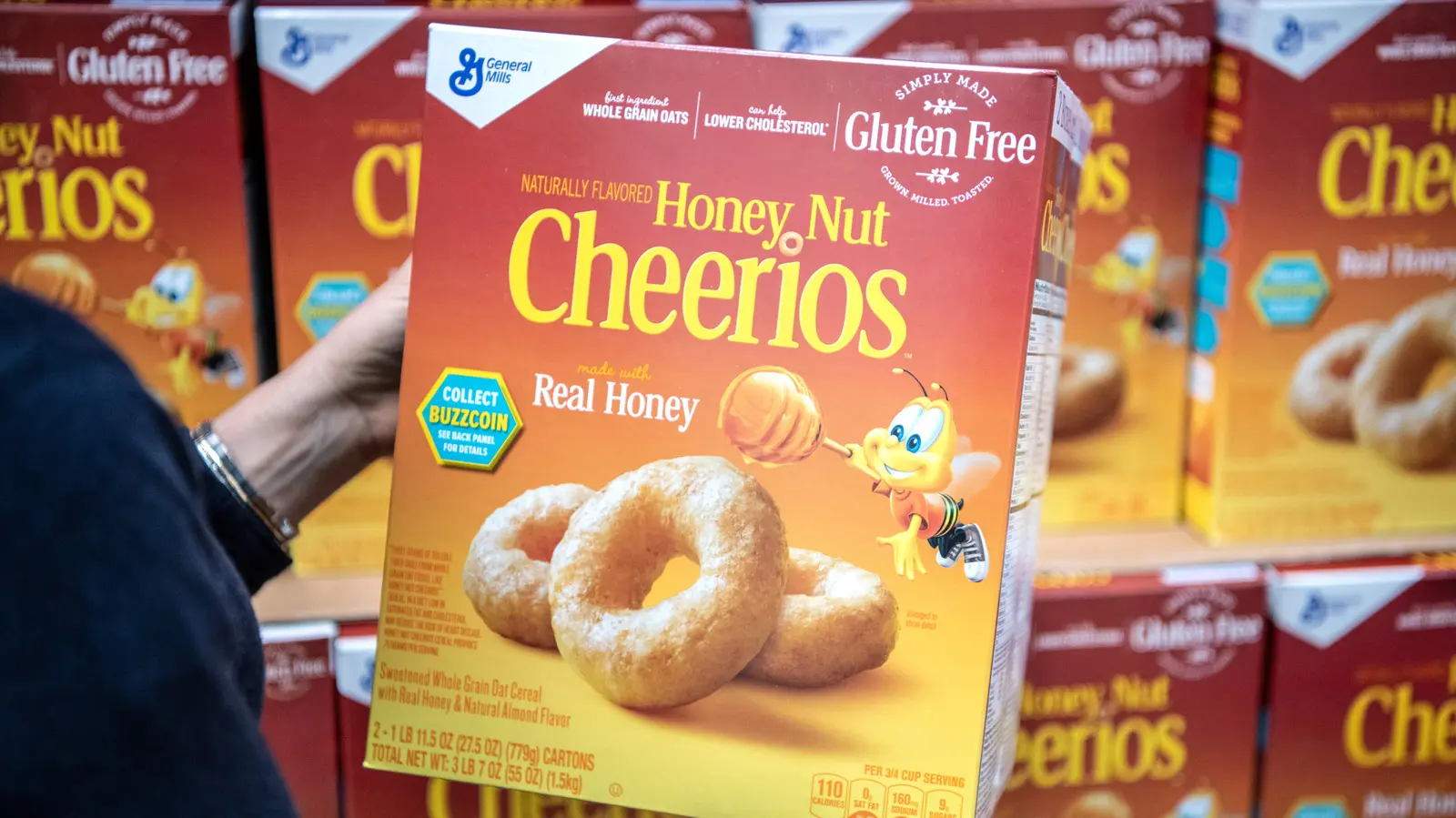
Honey Nut Cheerios: Then vs. Now
The Recipe Revisions: A Sweet History
Honey Nut Cheerios, one of the most popular breakfast cereals in the United States, has undergone a dramatic transformation since it first appeared in 1957. Many adults who enjoyed it as children are surprised to learn that the modern version differs significantly from the one their grandparents knew. This evolution reflects changing tastes and health trends over the decades.
Latest news
 Five-Day High-Protein Meal Plan Launches for Busy Cooks
 Soy Saucelebrity chef reveals soy sauce trick for richer brownies
 Unconventional Fruit Boosts Canned Baked Beans' Flavor
 Skip the Dipping Cup — Coat Chicken Tenders with Sauce Before Cooking
The changes are not just cosmetic. General Mills has altered the recipe multiple times, often in response to consumer preferences and nutritional guidelines. The original cereal was praised for its whole grain oats and subtle sweetness. Today, the formula includes more sugar and different flavorings to appeal to contemporary palates. This shift mirrors broader trends in the food industry, where convenience and taste frequently take priority.
From its launch, Honey Nut Cheerios was marketed as a wholesome choice. The early version relied on real honey for flavor, giving it a mild sweetness. In the 1980s, the sugar content was increased to enhance taste, a move that boosted sales but drew criticism from health advocates. More recently, the company has experimented with reducing sugar and using natural ingredients, though the core identity remains tied to its signature honey-nut profile.
Is the New Formula Better for You?
„General Mills has always aimed to balance taste and nutrition,”said a company spokesperson. „We listen to our customers and adapt accordingly, ensuring the cereal stays relevant.”Industry analysts note that such adjustments are common, as brands compete for shelf space in an increasingly health-conscious market.
The modern Honey Nut Cheerios contains higher sugar levels than its predecessor, which may concern some consumers. However, it still provides whole grains and essential nutrients. Nutritionists point out that while the cereal is not a health food, it can be part of a balanced diet when paired with protein and fruit. The debate continues over whether the changes improve or diminish its nutritional value.
Looking ahead, the brand faces pressure to innovate further. With rising demand for low-sugar options, General Mills may introduce new variations. The cereal's legacy suggests it will keep evolving, balancing nostalgia with modern needs.
Frequently Asked Questions
When was Honey Nut Cheerios first introduced? The cereal debuted in 1957, quickly becoming a household favorite. It was one of the first ready-to-eat options to combine oats with a sweet coating.
How has the sugar content changed over time? Early versions had less sugar, but increases in the 1980s made it sweeter. Recent years have seen modest reductions in some formulations to address health concerns.
Why does the modern version taste different from childhood memories? Altered ingredients, including new flavorings and adjusted sugar levels, contribute to the distinct taste. Packaging and marketing shifts also influence perception.
Content written by Isabelle Fontaine for fancy-meals.com editorial team, AI-assisted.