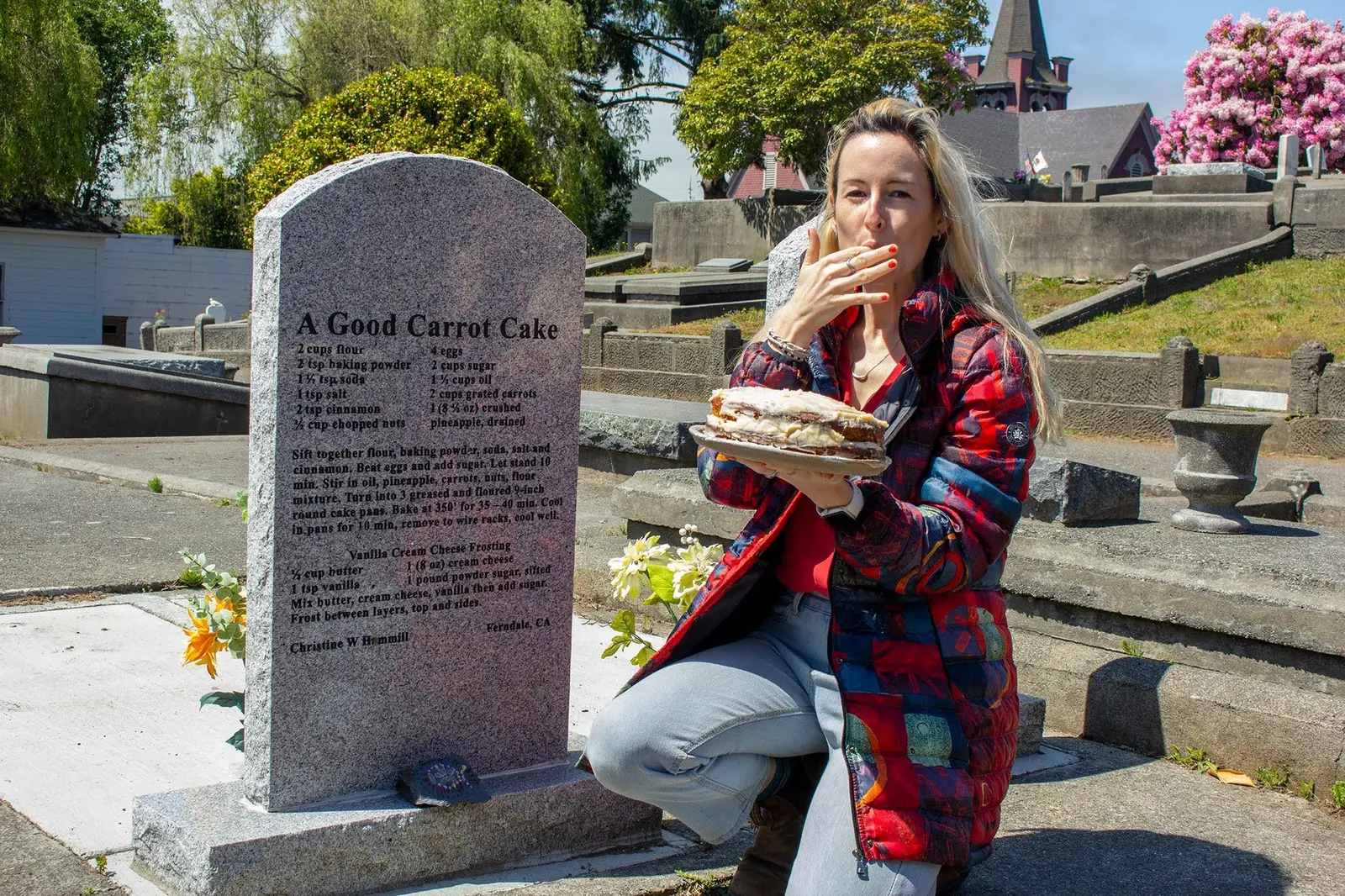
Graveyard Gastronomy: Rosie Grant’s „To Die For” Chronicles Forgotten Recipes
From Stone to Stove: The Research Process
Rosie Grant, a culinary historian and author, has spent the past two years traveling across the United States, documenting recipes etched onto historic headstones. Her findings culminated in the newly released cookbook To Die For , which compiles these „gravestone recipes” and the stories behind them. The project, launched in early spring, blends food history with cultural memory, preserving dishes that once fed families and now linger only in stone.
Latest news
 Costco's Frozen Dumpling Lineup, Ranked From Least To Most Tasty
 Best stainless-steel frying pans 2026: expert-tested picks for searing, eggs and daily cooking
 Trader Joe’s First‑Time Shopper Guide: Must‑Try Items
 Panda Express vs P.F. Chang's: Which Orange Chicken Is Healthier?
Grant’s journey began in a small New England cemetery, where a weather‑worn stone listed a simple „apple pie” beside a 19th‑century name. Intrigued, she mapped similar inscriptions from rural churchyards to sprawling urban memorial parks, photographing each carving and interviewing descendants. The resulting collection showcases regional specialties—such as Southern cornbread, Midwestern pot roast, and coastal clam chowder—each tied to a specific family’s legacy. By transcribing the faded lettering and testing the recipes in her kitchen, Grant aims to resurrect culinary traditions that would otherwise vanish.
Grant describes the fieldwork as part „archaeology,” part „culinary detective work.” She spends hours crouched beside moss‑covered markers, using magnifying lenses to decipher worn script. „Many of these recipes are barely legible,” she explains, „but the context—dates, names, locations—helps us reconstruct the dish.” After cataloguing each entry, she cross‑references historical cookbooks and oral histories to fill gaps. The resulting recipes are then adapted for modern kitchens, with notes on ingredient substitutions and cooking techniques. Grant’s meticulous approach ensures authenticity while making the dishes accessible to today’s home cooks.
Why Bury Recipes? The Cultural Significance
The practice of inscribing meals on headstones dates back to the 1800s, when families marked the foods their loved ones cherished most. These culinary epitaphs served as both tribute and a practical guide for future generations. „Food was a way to keep the memory alive,” says Grant. „When a child sees a favorite soup listed on a grandparent’s stone, it becomes a bridge across time.” By compiling these recipes, the cookbook not only preserves flavors but also highlights how food functions as a cultural anchor, especially in immigrant and rural communities where written records were scarce.
The book’s release coincides with a growing interest in heritage cooking and genealogical research. Readers are drawn to the intimate connection between taste and ancestry, and To Die For offers a tangible way to experience that link. Grant hopes the project will inspire others to explore their own family histories through the meals once shared at the table.
Frequently Asked Questions
How does the cookbook handle recipes that are incomplete or illegible? Grant supplements missing details with research from period cookbooks and interviews, clearly marking any educated guesses in the text.
Can the recipes be prepared with modern ingredients? Yes; each entry includes notes on contemporary substitutions, ensuring the dishes are practical for today’s kitchens while staying true to their origins.
Is the book only about American recipes? While the focus is on U. S. cemeteries, the concept could expand globally, and Grant plans future volumes exploring similar traditions abroad.
Content written by Jessi Roti for fancy-meals.com editorial team, AI-assisted.