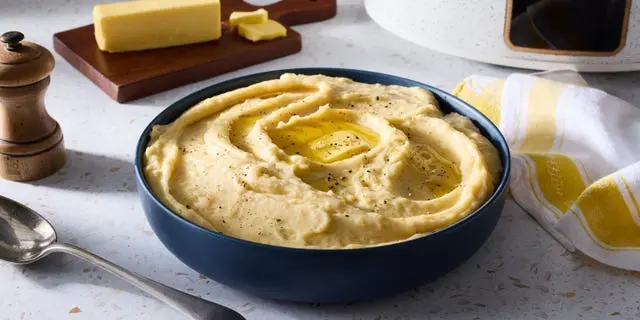
Fifteen Creative Ways to Transform a Simple Bag of Potatoes
From Pantry Staple to Flavor Bomb
Ree Drummond recently shared fifteen distinct recipes designed to elevate humble potatoes into culinary centerpieces. The country cooking icon emphasizes that this root vegetable serves as a reliable staple for any meal. Her collection offers diverse preparation methods ranging from classic sides to complex mains. This guide targets home cooks seeking inspiration beyond basic boiling or frying. The focus remains on maximizing flavor while minimizing waste from a standard grocery bag.
Latest news
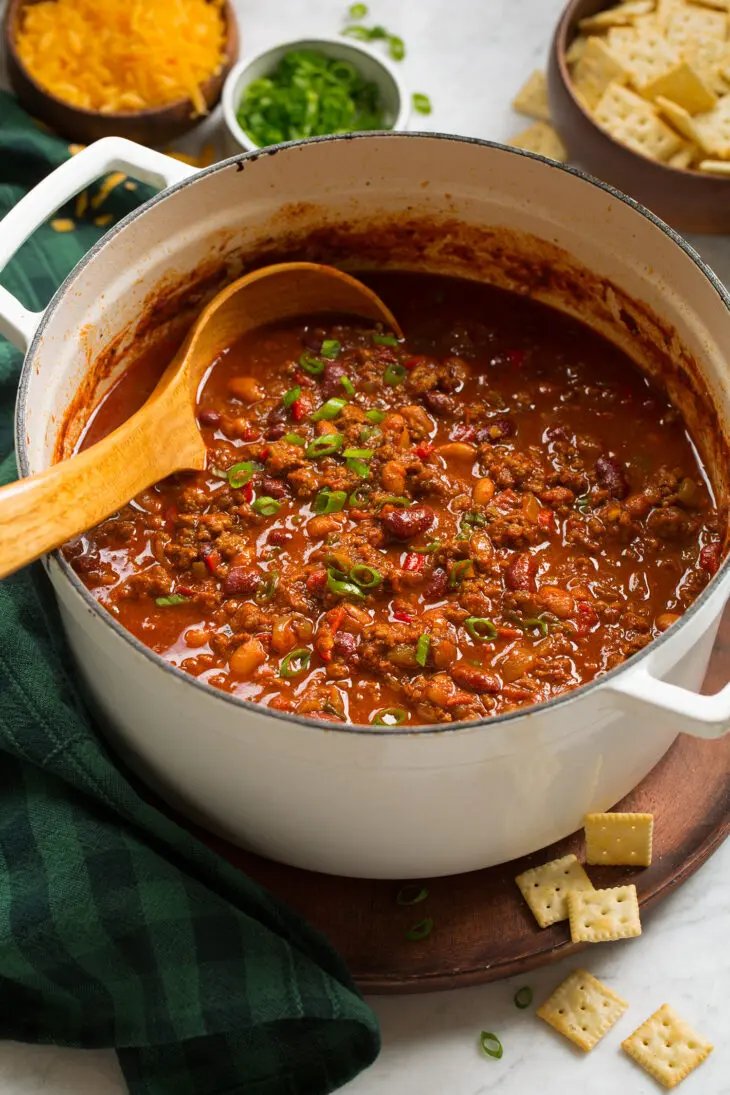 The Ultimate Homemade Chili Recipe for Cold Weather
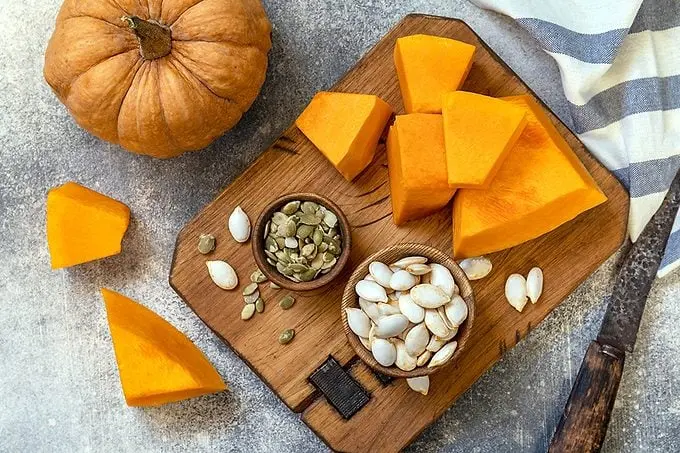 The Nutritional Power of Pumpkin Beyond Seasonal Desserts
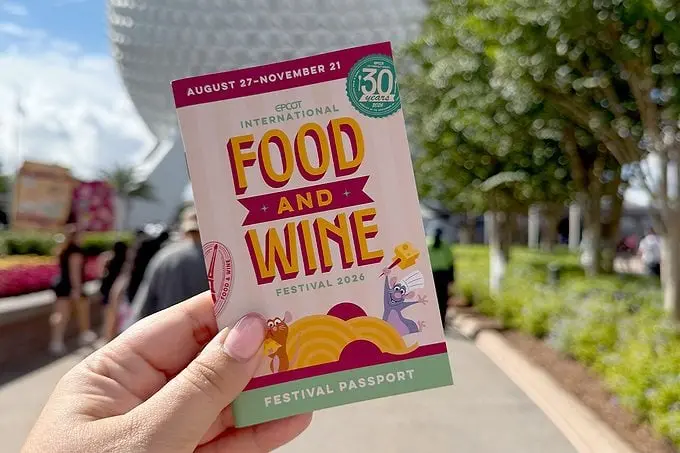 A Culinary Journey Through the 30th Epcot International Food and Wine Festival
 Burger King Unleashes Hello Kitty Kids' Meal with Ultra-Rare Golden Collectible
Potatoes function as the ultimate comfort food companion across all seasons. Drummond notes that these tubers rarely disappoint when paired with various protein sources. She maintains a large stockpile in her pantry specifically for this versatility. The vegetable adapts easily to different dietary needs and cooking styles. Its neutral base allows bold spices and herbs to shine without overpowering the dish. This adaptability makes it a favorite among chefs and casual cooks alike.
The featured recipes demonstrate how simple ingredients can create complex flavor profiles. Drummond encourages experimenting with roasting techniques to achieve crispy exteriors. Mashing with butter and cream provides a creamy texture that pairs well with hearty meats. Baking whole potatoes creates a vessel for toppings like cheese and sour cream. Each method highlights a different aspect of the potato’s natural starch content. The variety ensures that no two meals taste exactly the same.
Why Potatoes Remain a Kitchen Essential
Home cooks often struggle with monotony when using the same vegetable repeatedly. Drummond’s approach breaks this cycle by introducing new spice combinations. Garlic, rosemary, and paprika transform plain spuds into aromatic delights. The recipes prioritize ease of execution without sacrificing depth of taste. This balance appeals to busy individuals who want restaurant-quality results at home. The simplicity of the base ingredient lowers the barrier to entry.
Nutritional value contributes significantly to the potato’s enduring popularity. They provide essential carbohydrates that fuel daily activities. Additionally, they contain significant amounts of potassium and vitamin C. The skin adds fiber, which supports digestive health when left intact. Drummond highlights that choosing the right variety matters for specific recipes. Waxy potatoes hold their shape in salads, while starchy types mash smoothly. Understanding these differences prevents common cooking mistakes.
The economic benefit of potatoes cannot be ignored either. They offer high caloric density at a low cost per serving. This makes them an ideal choice for budget-conscious households. Their long shelf life reduces the frequency of grocery shopping trips. Drummond’s bulk storage strategy saves time and money over several weeks. The vegetable’s resilience in storage ensures consistent availability regardless of season. This reliability supports meal planning and reduces food waste significantly.
Frequently Asked Questions
How long do potatoes last in storage? Properly stored in a cool, dark place, potatoes can remain fresh for several weeks. Avoid refrigeration unless necessary, as cold temperatures convert starches to sugars. Check for sprouts or soft spots before use to ensure quality.
Which potato type works best for mashing? Starchy varieties like Russet or Yukon Gold yield the fluffiest mashed potatoes. These types break down easily during cooking, creating a smooth texture. Waxy potatoes may result in a gluey consistency if used for mashing.
Can I freeze cooked potatoes? Yes, many potato dishes freeze well for up to three months. Mash potatoes, roasted wedges, and baked potatoes retain their texture after thawing. Avoid freezing raw potatoes, as they become mushy and watery upon reheating.
Content written by Isabelle Fontaine for fancy-meals.com editorial team, AI-assisted.