
Canned seafood transforms simple baked potatoes into a flavor-packed meal
Why Canned Seafood Elevates Plain Potatoes
A simple kitchen hack is redefining how home cooks approach a classic comfort food. By adding canned seafood to baked potatoes, diners can significantly boost the taste profile without complex preparation. This method offers an affordable and accessible way to elevate a standard side dish. The technique works well for both oven-baked and air-fried potatoes. It requires minimal effort but delivers a substantial impact on the final result.
Latest news
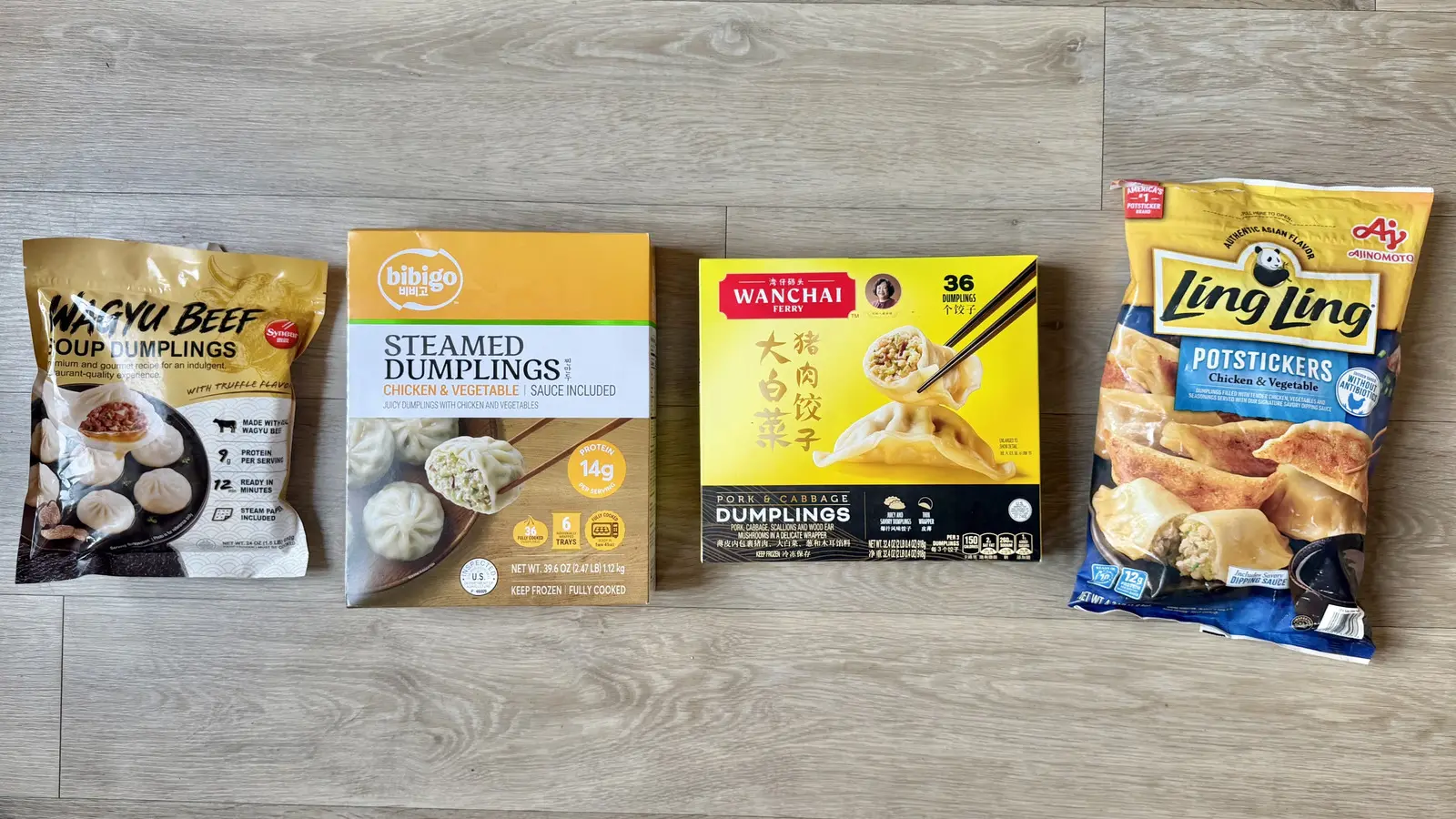 Costco's Frozen Dumpling Lineup, Ranked From Least To Most Tasty
 Best stainless-steel frying pans 2026: expert-tested picks for searing, eggs and daily cooking
 Trader Joe’s First‑Time Shopper Guide: Must‑Try Items
 Panda Express vs P.F. Chang's: Which Orange Chicken Is Healthier?
The core of this culinary adjustment involves selecting high-quality canned seafood options. These ingredients provide immediate depth and brininess that plain potatoes lack. The process remains straightforward for anyone with basic cooking skills. You do not need expensive fresh fish or intricate marinades. Instead, the convenience of shelf-stable products makes this upgrade highly practical for busy households. The goal is to create a dish that feels gourmet while remaining quick to assemble.
Baked potatoes often suffer from being bland when served alone. They rely heavily on external toppings like butter or sour cream for flavor. Introducing canned seafood changes this dynamic entirely. The salt and umami present in preserved fish or shellfish penetrate the fluffy interior. This creates a savory base that stands on its own. Chefs note that the texture contrast between soft potato and firm seafood adds interest. The affordability of canned goods ensures this twist does not break the bank. It turns a humble ingredient into a centerpiece worthy of any dinner table.
How To Execute This Flavor Boost At Home
Home cooks report that this combination satisfies cravings for both starch and protein. The warmth of the potato complements the cool or room-temperature seafood perfectly. There is no need for additional cooking steps if using pre-cooked canned varieties. Simply flake the contents over the hot potato and mix with preferred condiments. The result is a balanced plate that feels more substantial than a traditional loaded potato. This approach appeals to those seeking efficiency without sacrificing quality.
Start by baking your potatoes until they are tender and fluffy. You can use a conventional oven or an air fryer for faster results. Once cooked, split the potato open and fluff the inside with a fork. Drain any excess liquid from your chosen canned seafood product. Add a generous portion directly onto the warm potato flesh. Mix in a small amount of butter, chives, or cream to bind the flavors. The heat from the potato will slightly warm the seafood, enhancing its aroma. Taste and adjust seasoning as needed before serving. This step-by-step method ensures consistent results every time.
The key lies in balance. Too much seafood can overwhelm the potato’s natural earthiness. Aim for a ratio that allows both elements to shine. Experiment with different types of canned seafood to find your preference. Tuna, salmon, and shrimp all offer distinct profiles. Each brings a unique dimension to the dish. Keep it simple and let the natural flavors interact.
Frequently Asked Questions
Which canned seafood works best? Salmon and tuna are popular choices due to their strong flavors. Shrimp offers a lighter option for those preferring subtlety. Choose high-quality brands for better texture.
Can I use frozen seafood instead? Yes, but you must thaw and cook it first. Canned seafood is convenient because it is already cooked. Frozen options require extra time and attention.
Is this suitable for dietary restrictions? Check labels for added oils or preservatives. Many canned seafoods are gluten-free naturally. Always verify ingredients to match specific needs.
Content written by Henry Cross for fancy-meals.com editorial team, AI-assisted.