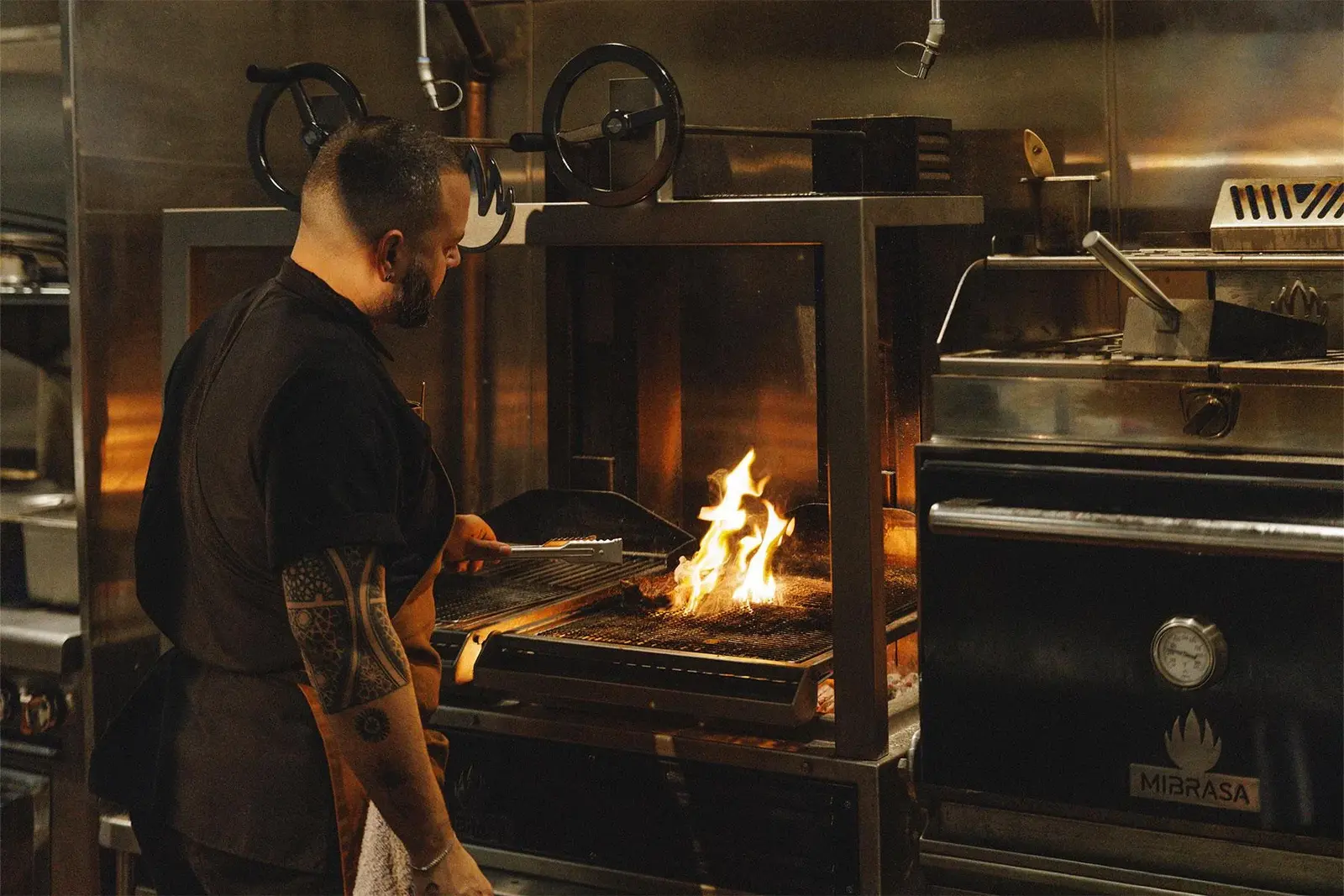
Chicago’s Newest Dining Spot Revives 900‑Year‑Old Recipes
Recreating Forgotten Flavors
A downtown Chicago kitchen opened last week, offering dishes reconstructed from medieval Persian cookbooks dating back nine centuries. Chef Jonathan Zuluaga leads a team of historians and food scientists to translate ancient texts into modern plates, serving the city’s food lovers a taste of history in a sleek, contemporary setting.
Latest news
 Costco's Frozen Dumpling Lineup, Ranked From Least To Most Tasty
 Best stainless-steel frying pans 2026: expert-tested picks for searing, eggs and daily cooking
 Trader Joe’s First‑Time Shopper Guide: Must‑Try Items
 Panda Express vs P.F. Chang's: Which Orange Chicken Is Healthier?
The project began when Zuluaga, a chef with a background in culinary archaeology, discovered a collection of handwritten recipes in a Tehran library. Collaborating with scholars from the University of Chicago, the team deciphered the scripts, sourced rare spices, and adapted cooking methods for today’s equipment. Their goal is to preserve culinary heritage while creating a viable restaurant concept. The menu features items like saffron‑infused lamb stew, barley flatbread baked in a clay oven, and a dessert of rose‑water poached figs. Ingredients are sourced from specialty importers to match the original flavor profiles, and the kitchen uses a combination of traditional hearths and modern sous‑vide techniques.
Translating the ancient texts proved challenging; many measurements were described in terms of „handfuls” or „a pinch of love.” Zuluaga’s team employed experimental archaeology, recreating tools such as a stone mortar and a copper cauldron to test the recipes. „We learned that fire control was crucial,” Zuluaga explained, „the original cooks relied on slow, low heat, which we replicate with our wood‑fired ovens.” The result is a menu that balances authenticity with accessibility, allowing diners to experience flavors that have not been tasted in the region for centuries.
Can Medieval Cuisine Attract Modern Diners?
Early reviews suggest the concept resonates with Chicago’s adventurous eaters. Patrons praise the storytelling aspect, noting that each plate is accompanied by a brief note about its historical context. The restaurant’s design—featuring mosaic tiles inspired by Persian art—enhances the immersive experience. However, some critics question the scalability of such a niche model. Zuluaga acknowledges the risk but points to growing interest in heritage cuisine, citing a 30 % rise in reservations since the soft opening. He believes the blend of education and gastronomy will sustain long‑term interest.
The venture could spark a broader movement among chefs to explore ancient culinary texts, turning forgotten recipes into contemporary attractions. If successful, it may encourage museums and culinary schools to partner with restaurants, creating new avenues for cultural preservation through food.
Frequently Asked Questions
What sources did the chefs use for the recipes? They consulted medieval Persian manuscripts from the 12th century, housed in Tehran’s National Library, and collaborated with historians to ensure accurate translations.
How are the dishes adapted for modern palates? While preserving core ingredients and techniques, the chefs adjust seasoning levels and cooking times, using contemporary equipment to ensure safety and consistency.
Is the restaurant affordable for the average diner? Prices are positioned in the mid‑range market, reflecting the cost of rare spices and specialized preparation, but the venue offers tasting menus that provide a broader experience at a reasonable cost.
Content written by Lucas Carter for fancy-meals.com editorial team, AI-assisted.