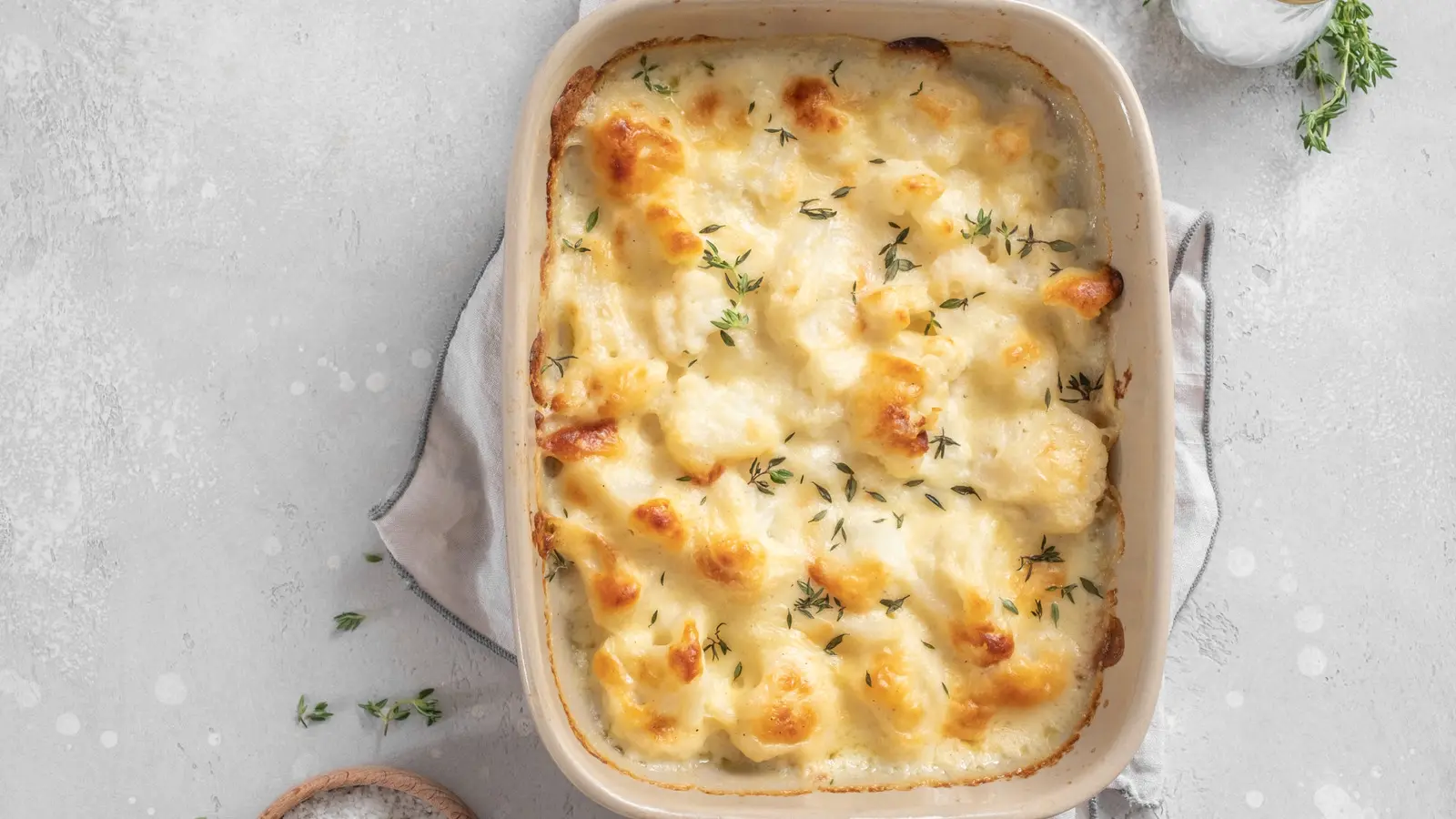
Cauliflower Mac‑Cheese Fusion Offers a Creamy, Low‑Carb Comfort Dish
Why Cauliflower Works as a Pasta Substitute
A new take on the classic comfort food is gaining traction among home cooks: cauliflower florets coated in a velvety cheese sauce that mimics traditional macaroni and cheese. The recipe, popularized by food writer Claire Coit in early October, promises a quick, satisfying meal that swaps starchy pasta for a vegetable‑rich alternative, making it ideal for low‑carb or gluten‑free diets.
Latest news
 Costco's Frozen Dumpling Lineup, Ranked From Least To Most Tasty
 Best stainless-steel frying pans 2026: expert-tested picks for searing, eggs and daily cooking
 Trader Joe’s First‑Time Shopper Guide: Must‑Try Items
 Panda Express vs P.F. Chang's: Which Orange Chicken Is Healthier?
Coit’s method starts by steaming or roasting cauliflower until tender, then tossing the pieces in a sauce made from butter, flour, milk, and a blend of sharp cheddar and mozzarella. The mixture is baked until bubbling and golden on top, creating a dish that looks and tastes like its noodle‑based counterpart. The approach appeals to those seeking comfort without the carb overload, and the simplicity of the steps means it can be prepared in under an hour. Nutritionists note that swapping pasta for cauliflower cuts calories by up to 40 percent while adding fiber and vitamin C.
Cauliflower’s mild flavor and firm texture allow it to absorb sauces without becoming mushy. When roasted, the florets develop a subtle caramelized note that deepens the overall flavor profile. The cheese sauce, thickened with a traditional roux, clings to each piece, delivering the same mouthfeel as melted cheese over noodles. „The key is not to over‑cook the cauliflower,” Coit advises, „so it retains a bite that mimics al dente pasta.” The dish also offers flexibility: adding breadcrumbs, bacon bits, or a dash of hot sauce can customize the flavor to personal preferences.
Can This Cauliflower Mac‑Cheese Replace Traditional Comfort Food?
Many families are already swapping the classic version for the cauliflower rendition during weeknight dinners. The lower carbohydrate count makes it a favorite among keto and diabetic communities, while the familiar cheesy indulgence satisfies cravings without guilt. Restaurants in several major cities have begun featuring the dish on their menus, citing customer demand for healthier comfort options. Critics argue that the texture differs enough to alienate purists, but most reviewers praise the balance of creaminess and vegetable goodness.
As the trend spreads, nutrition experts predict a broader shift toward vegetable‑based comfort foods, encouraging chefs to reimagine other staples like lasagna and shepherd’s pie. Home cooks are likely to experiment further, integrating seasonal produce into familiar recipes, which could reshape comfort cuisine for the health‑conscious generation.
Frequently Asked Questions
What type of cheese works best for the sauce? A blend of sharp cheddar for flavor and mozzarella for meltability creates a smooth, rich sauce that coats the cauliflower evenly.
Do I need to pre‑cook the cauliflower before adding the sauce? Yes, steaming or roasting the florets until just tender ensures they absorb the cheese sauce without turning mushy.
Can I freeze leftovers? The dish freezes well for up to two months; reheat in the oven to restore the crispy topping and creamy interior.
Content written by [email protected] (Claire Coit) for fancy-meals.com editorial team, AI-assisted.