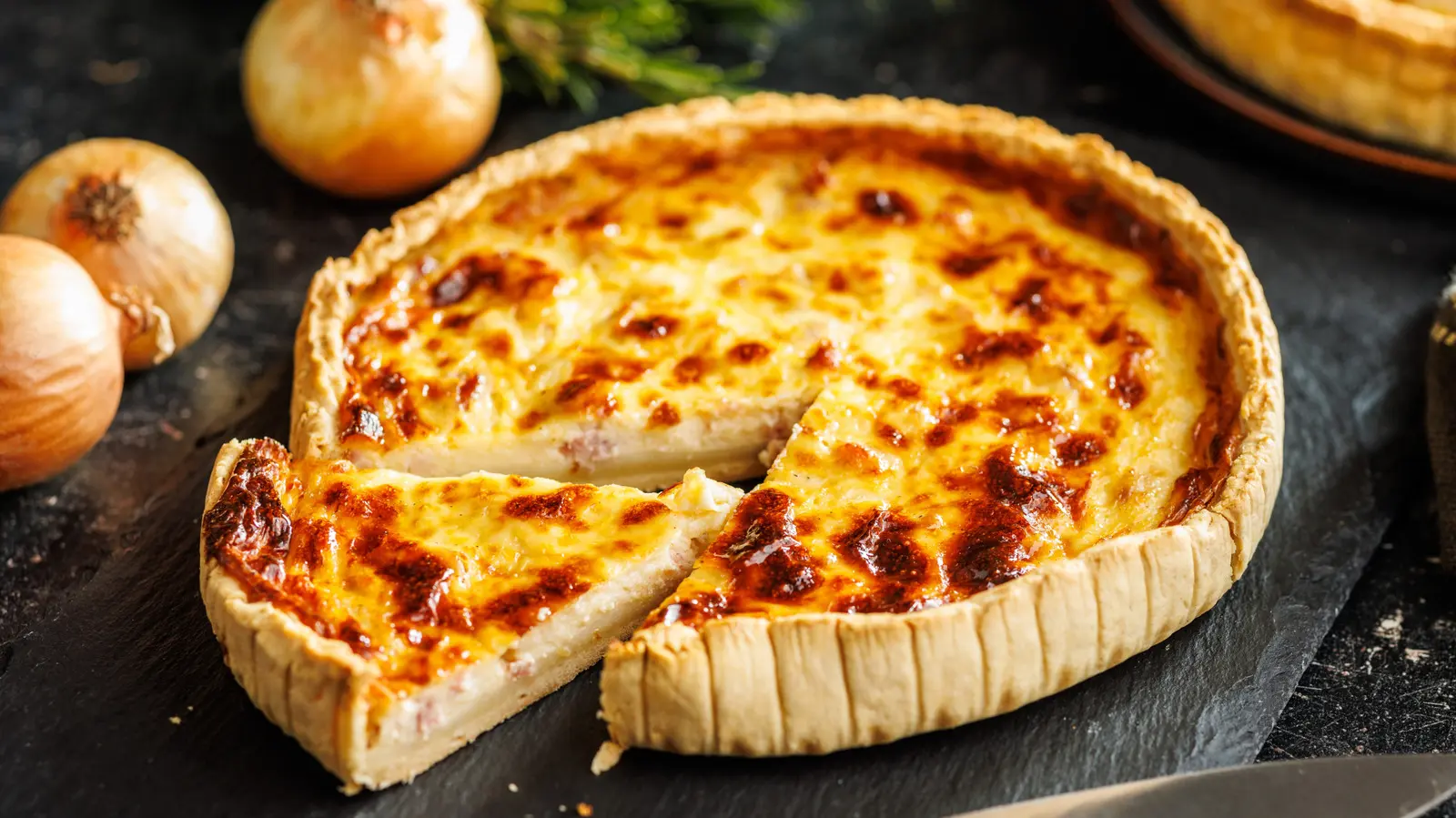
A Crunchy Alternative to Pie Crust for Quiche and Breakfast Casseroles
Why the Crunchy Crust Wins Over Traditional Pie Dough
A new trend is sweeping kitchens: ditching traditional pie dough for a crisp, ready‑made base that saves time and adds texture. Home cooks across the country are turning to a humble pantry staple—crushed crackers or pre‑baked cookie crumbs—to line their baking dishes. The result is a lighter, more flavorful crust that pairs perfectly with savory fillings.
Latest news
 Costco's Frozen Dumpling Lineup, Ranked From Least To Most Tasty
 Best stainless-steel frying pans 2026: expert-tested picks for searing, eggs and daily cooking
 Trader Joe’s First‑Time Shopper Guide: Must‑Try Items
 Panda Express vs P.F. Chang's: Which Orange Chicken Is Healthier?
The shift began when a food blogger posted a recipe using crushed Ritz crackers as a quiche base. Viewers praised the ease of preparation and the satisfying crunch. Since then, chefs and home cooks alike have experimented with different cracker varieties, from buttery salt‑and‑pepper to sweet graham. The trend has spread through social media, cooking shows, and word‑of‑mouth, making the crunchy crust a staple in many breakfast and brunch menus.
Can You Use Any Cracker? A Quick Guide
Traditional pie dough requires chilling, rolling, and handling, which can be intimidating for beginners. In contrast, a pre‑baked crumb base needs only a few minutes to assemble. Cookbooks now feature sections dedicated to „crust alternatives,” highlighting the benefits of using crackers or cookie crumbs. The texture contrast between the crispy base and the creamy filling creates a more dynamic eating experience. Additionally, the crisp crust can be seasoned with herbs or spices before baking, allowing for endless flavor variations.
Food scientists explain that the high fat content in crackers helps create a delicate, flaky structure when baked. The fat melts during cooking, lifting the crumbs and forming a light, airy crust. This process also reduces the likelihood of a soggy bottom, a common complaint with traditional pie dough when filled with wet ingredients. For those watching their calorie intake, the crumb base offers a slightly lower fat profile, especially when using low‑fat crackers.
How This Trend Affects Home Cooking and the Food Industry
Not every cracker is created equal for a quiche base. Whole‑grain crackers provide a nuttier flavor and firmer texture, while salt‑and‑pepper varieties add a subtle savory kick. Sweet crackers, such as honey oat, can complement fruit‑filled breakfast dishes. To prepare, crush the crackers into fine crumbs using a food processor or by placing them in a zip‑lock bag and pounding with a rolling pin. Spread the crumbs evenly in a greased baking dish, pressing firmly to form a solid layer. Bake at 350°F for 8–10 minutes, or until lightly golden, before adding the filling.
For those who prefer a completely homemade option, a quick crust can be made by mixing crushed crackers with melted butter and a pinch of salt. The mixture is pressed into the dish and pre‑baked for a few minutes before the quiche ingredients are added. This method offers the convenience of a ready‑made base with the satisfaction of a homemade touch.
Frequently Asked Questions
The rise of the crunchy crust has implications for both home cooks and the food industry. Grocery stores are expanding their cracker selections to include varieties specifically marketed for baking. Some brands have introduced „baking‑ready” cracker mixes that already contain the right ratio of fat and flour. Restaurants and catering services are adopting the crust to reduce prep time and improve consistency across dishes. Consumers benefit from a versatile, time‑saving option that delivers a superior taste experience.
Looking ahead, the trend may inspire further innovation. Chefs are experimenting with gluten‑free and vegan cracker bases, opening the market to a wider audience. The popularity of the crunchy crust also encourages the development of new seasoning blends and flavor profiles tailored to breakfast and brunch menus. As more people discover the ease and taste of this alternative, it is likely to become a staple in kitchens worldwide.
Content written by Tasting Table for fancy-meals.com editorial team, AI-assisted.