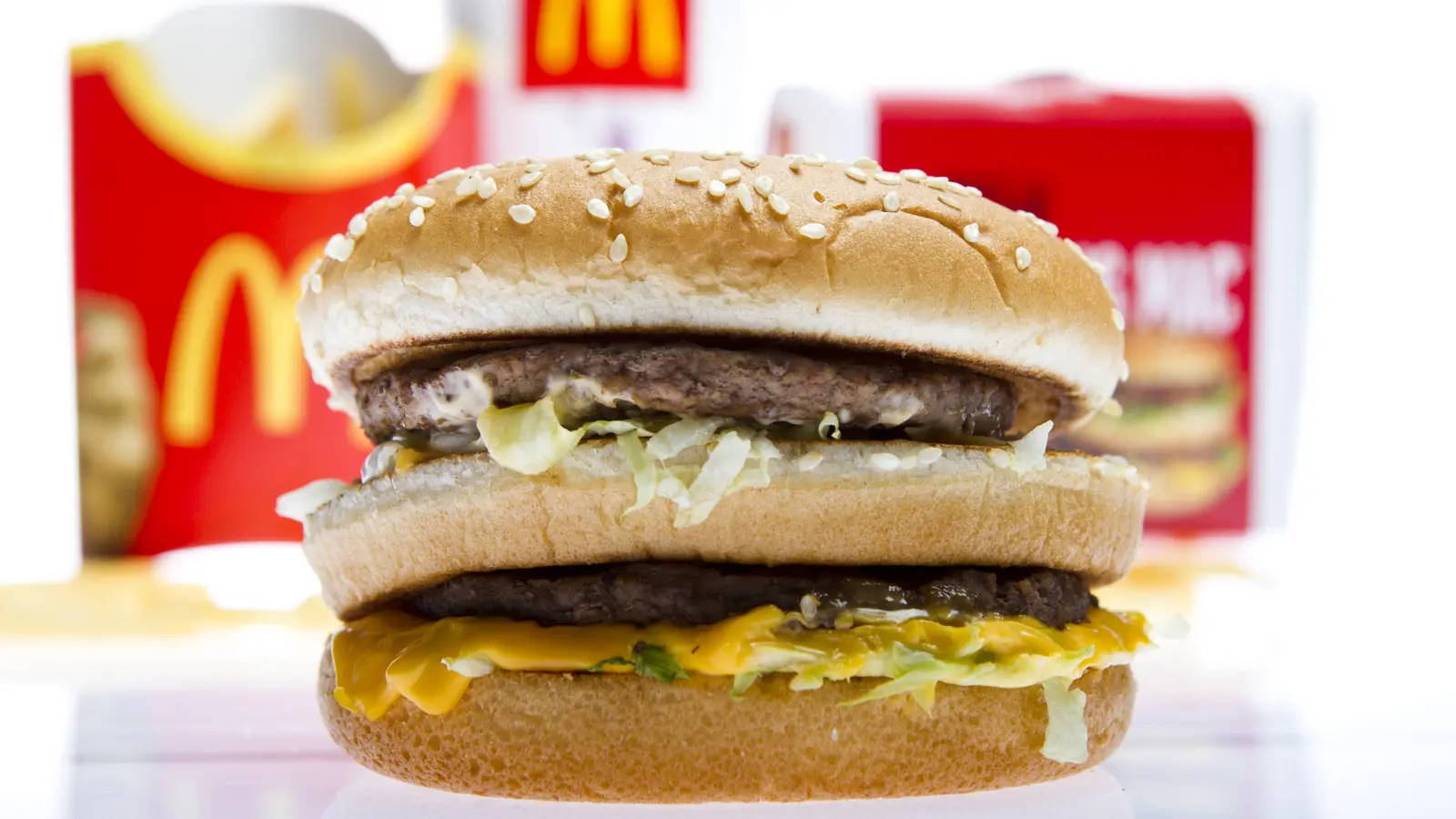
McDonald’s Quarter Pounder beats Big Mac on value and protein
Why Protein Content Matters More Than Brand Fame
While the Big Mac dominates global marketing, a lesser-known menu item offers superior nutritional value and lower cost. The Quarter Pounder with Cheese has emerged as a strong contender for the best value meal. It provides significantly more protein per serving than its famous counterpart. This shift in preference highlights changing consumer priorities toward substance over brand recognition. The burger remains a staple across North American locations. Its performance challenges long-held assumptions about which items deliver the most bang for the buck.
Latest news
 Costco's Frozen Dumpling Lineup, Ranked From Least To Most Tasty
 Best stainless-steel frying pans 2026: expert-tested picks for searing, eggs and daily cooking
 Trader Joe’s First‑Time Shopper Guide: Must‑Try Items
 Panda Express vs P.F. Chang's: Which Orange Chicken Is Healthier?
The debate often centers on the iconic double-decker sandwich. However, nutritionists and dietitians frequently point to the Quarter Pounder as a smarter choice. It costs less on average and packs a denser nutritional punch. Shoppers seeking high-protein meals find this option more satisfying without the premium price tag. The difference in caloric density also appeals to those monitoring their daily intake. This burger serves as a practical alternative for health-conscious fast food patrons.
The primary advantage of the Quarter Pounder lies in its macronutrient profile. It delivers approximately 26 grams of protein in a single serving. This figure substantially exceeds the protein count found in a standard Big Mac. For individuals building muscle or maintaining lean mass, this gap is critical. The additional protein helps sustain satiety levels longer after eating. Consumers who prioritize dietary goals over nostalgia often switch to this item. The higher protein load supports metabolic functions effectively. It stands out clearly in comparative nutritional analyses.
Is the Price Difference Significant Enough to Switch?
Cost remains a major factor in fast food purchasing decisions. The Quarter Pounder typically retails for several dollars less than the Big Mac. This savings accumulates quickly for frequent buyers. The lower entry price makes it accessible to budget-focused diners. Despite the price drop, the flavor profile remains robust and familiar. Many customers report that the taste justifies the slight reduction in size. The value proposition becomes compelling when factoring in the extra protein. Financial prudence aligns perfectly with nutritional benefits here.
The trend suggests a broader reevaluation of fast food staples. Diners are moving away from purely iconic choices toward functional ones. This burger may gain further traction as health awareness grows. Restaurants might highlight this item in future promotions. The focus on protein could reshape menu marketing strategies. Customers will likely continue to compare these two giants. The outcome favors the option that balances cost, taste, and nutrition best.
Frequently Asked Questions
How much protein does a Quarter Pounder contain? A standard Quarter Pounder with Cheese contains roughly 26 grams of protein. This amount is notably higher than most other fast food sandwiches. It supports muscle recovery and satiety effectively.
Is the Quarter Pounder cheaper than a Big Mac? Yes, the Quarter Pounder generally costs less at the register. The price difference varies by location but usually favors the Quarter Pounder. This makes it a more economical choice for regular consumers.
Does the Quarter Pounder taste better than a Big Mac? Taste preferences are subjective, but many prefer the single beef patty. The simpler structure allows the meat flavor to stand out more. It lacks the complex sauce layers of the double-decker model.
Content written by Victoria Lane for fancy-meals.com editorial team, AI-assisted.