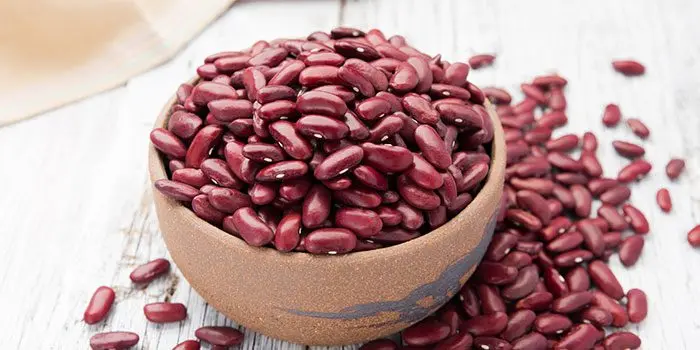
Health Benefits of Beans and Pulses Explained by Nutrition Experts
Experts note that combining various types ensures a broader spectrum of
Adding beans and pulses to your weekly grocery list can lower food costs while boosting nutrient intake and supporting a more sustainable diet. Experts highlight that these plant-based proteins offer a cost-effective alternative to meat, delivering essential vitamins, minerals, and fiber without the environmental footprint of animal agriculture. Incorporating just one variety regularly can make a meaningful difference in both personal health and planetary well-being. Nutritional Value Varies Across Bean Types Different beans provide distinct health advantages depending on individual dietary goals. For those seeking high protein, options like soybeans and lentils stand out, while black beans and kidney beans are rich in antioxidants and iron. Chickpeas excel in folate and magnesium, supporting heart health and energy metabolism.
Latest news
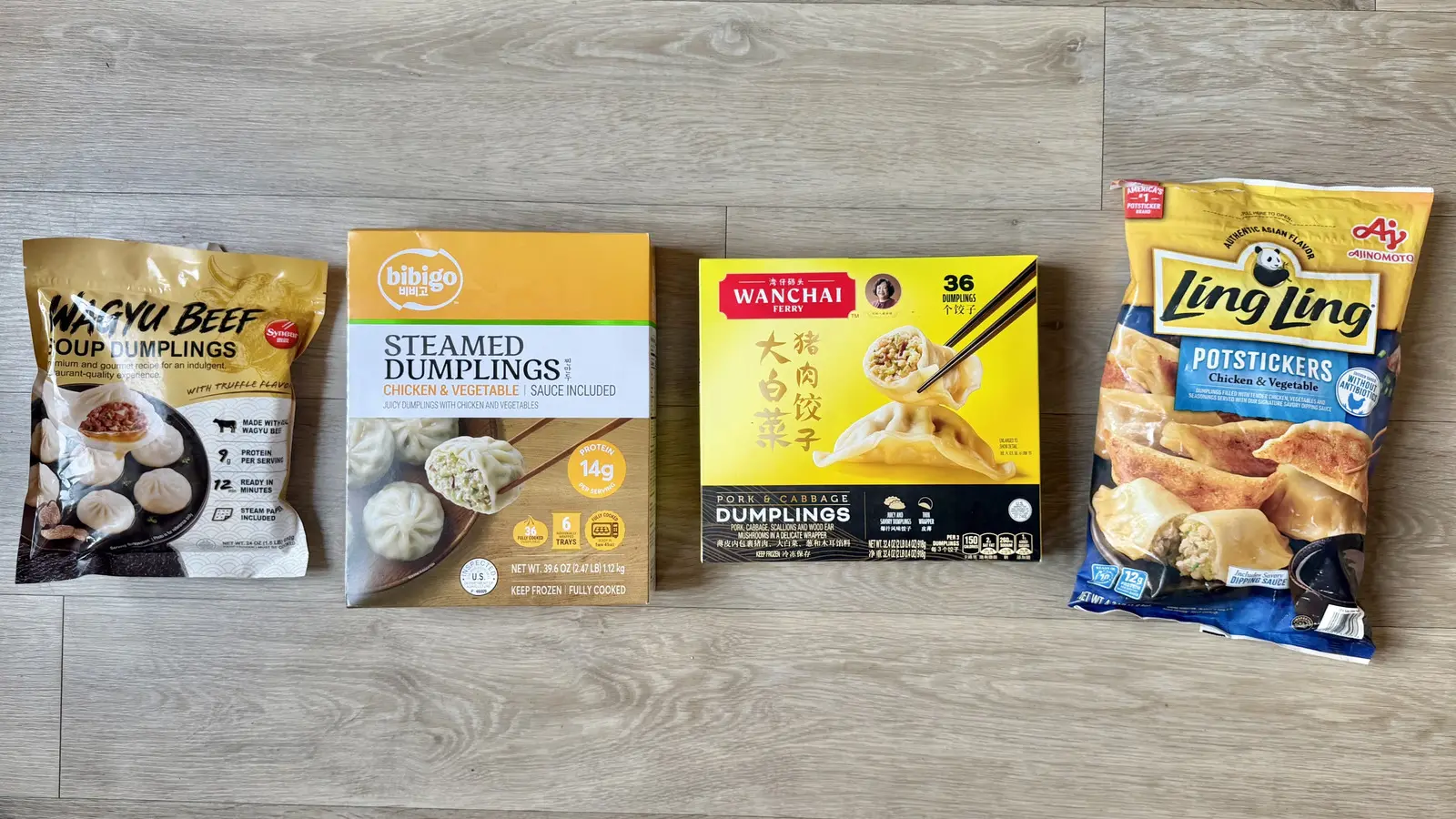 Costco's Frozen Dumpling Lineup, Ranked From Least To Most Tasty
 Best stainless-steel frying pans 2026: expert-tested picks for searing, eggs and daily cooking
 Trader Joe’s First‑Time Shopper Guide: Must‑Try Items
 Panda Express vs P.F. Chang's: Which Orange Chicken Is Healthier?
Experts note that combining various types ensures a broader spectrum of nutrients, enhancing overall dietary quality. How Do Beans Support Long-Term Health? Regular consumption of beans and pulses is linked to improved digestion due to their high fiber content, which promotes gut health and helps regulate blood sugar levels. Studies cited by nutritionists show that diets rich in legumes reduce the risk of chronic conditions such as type 2 diabetes and cardiovascular disease. Their low glycemic index makes them especially beneficial for managing energy levels throughout the day. What Makes Beans a Sustainable Food Choice? Beans require significantly less water and land to produce compared to animal proteins, and they enrich soil by fixing nitrogen naturally. This reduces the need for synthetic fertilizers, lowering greenhouse gas emissions associated with farming.
Experts emphasize that shifting even a portion of protein intake to beans contributes to a more resilient food system, particularly in regions facing climate-related agricultural challenges. Frequently Asked Questions Are canned beans as nutritious as dried ones? Yes, canned beans retain most of their nutritional value, though rinsing them reduces sodium content. Dried beans offer more control over salt and additives but require soaking and cooking time. Which bean is best for weight management? Lentils and black beans are ideal due to their high fiber and protein content, which increase satiety and help control appetite without excess calories. Can eating beans cause digestive discomfort? Some people experience gas or bloating due to oligosaccharides in beans; soaking dried beans thoroughly and introducing them gradually into the diet can minimize these effects.
Content written by Isabelle Fontaine for fancy-meals.com editorial team, AI-assisted.