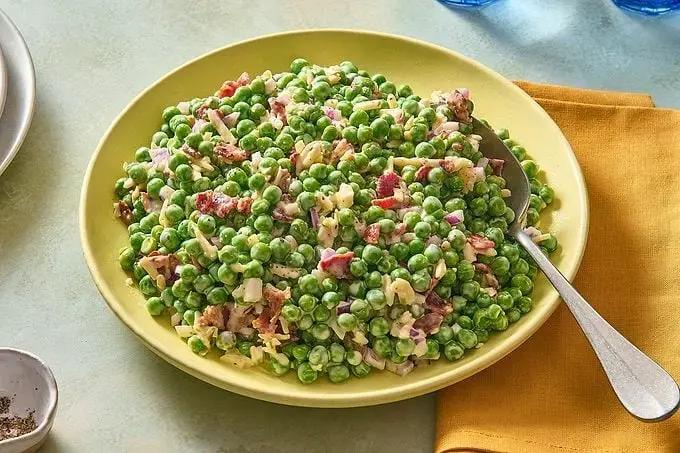
Frozen Peas: The Underrated Powerhouse for Daily Nutrition
Why Peas Outperform Many Fresh Options
Dietitians increasingly recommend frozen green peas as a versatile staple for busy households. These legumes offer a convenient solution when fresh produce is scarce or expensive. They provide a reliable nutritional backup without requiring complex preparation.
Latest news
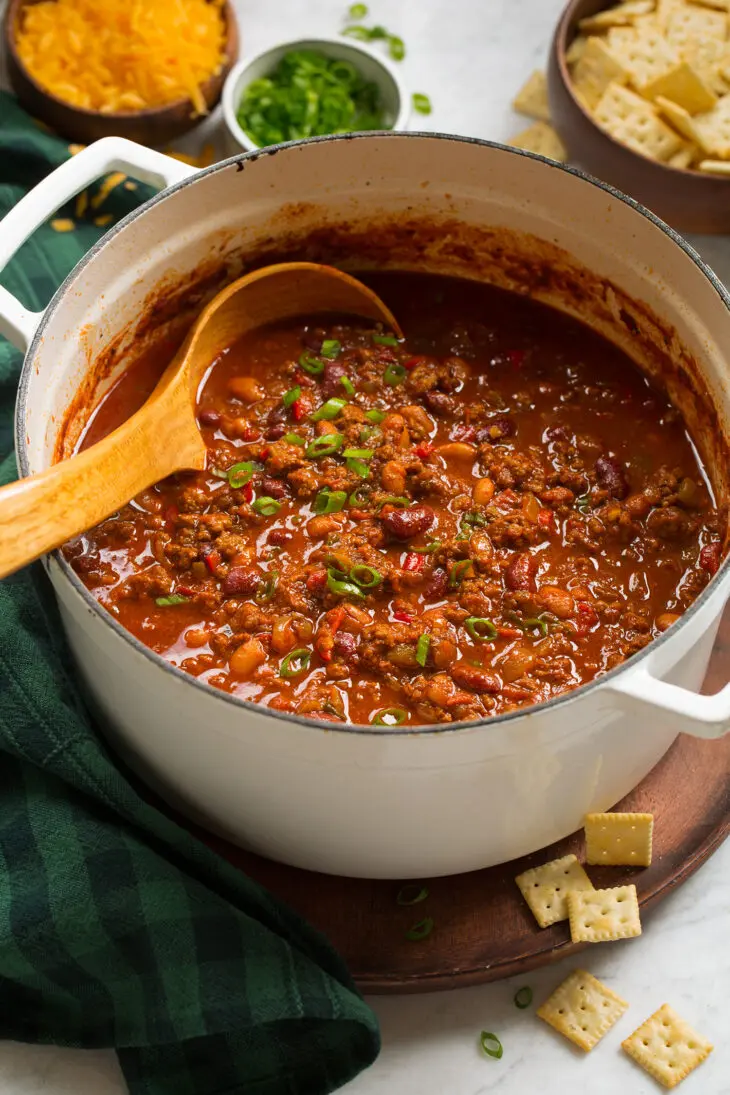 The Ultimate Homemade Chili Recipe for Cold Weather
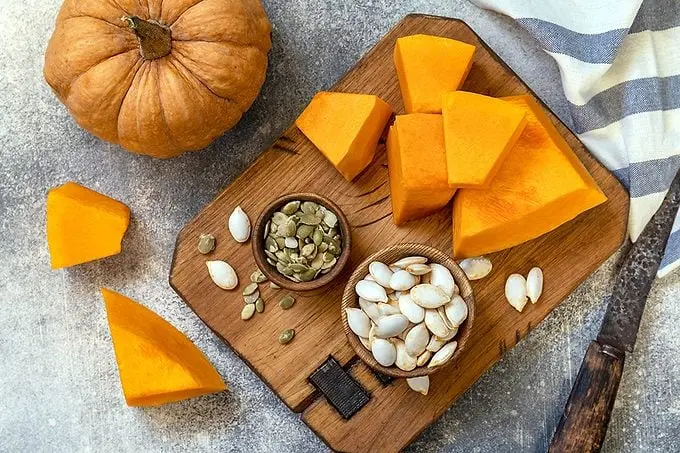 The Nutritional Power of Pumpkin Beyond Seasonal Desserts
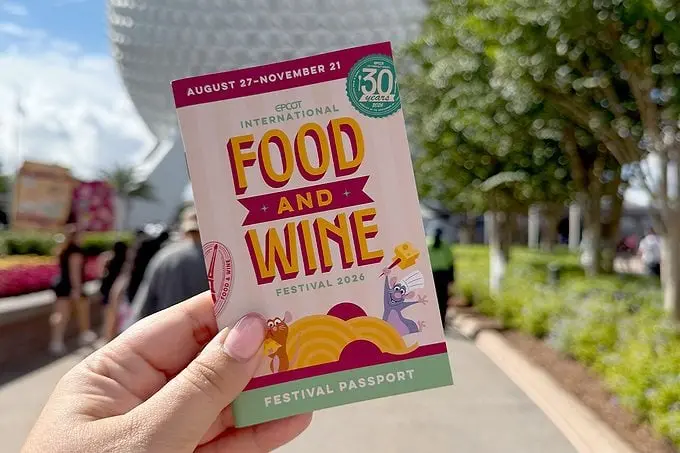 A Culinary Journey Through the 30th Epcot International Food and Wine Festival
 Burger King Unleashes Hello Kitty Kids' Meal with Ultra-Rare Golden Collectible
Frozen peas serve as an easy fallback for meal planning. They require minimal effort to prepare, making them ideal for quick dinners. A simple serving involves heating the vegetables and adding basic seasonings like butter and salt. This simplicity allows anyone to incorporate high-quality nutrients into their daily routine effortlessly.
Green peas are gaining significant attention in the culinary world for valid reasons. They rank high in both protein and fiber content, two essential macronutrients often lacking in modern diets. Unlike many fresh vegetables that spoil quickly, frozen peas retain their nutritional value for extended periods. This stability makes them a smart choice for reducing food waste while maintaining dietary quality.
Can Simple Preparation Maximize Flavor?
The convenience factor cannot be overstated. Consumers can grab a bag from the freezer and have a side dish ready in minutes. This speed supports consistent healthy eating habits, which is crucial for long-term wellness goals. Dietitians note that relying on whole foods simplifies the process of boosting overall nutrition. Peas fit perfectly into this strategy because they are unprocessed and nutrient-dense.
Yes, minimal seasoning enhances the natural taste of peas. A pat of butter adds richness, while a pinch of salt brings out the inherent sweetness. This approach avoids heavy sauces or additives that can mask the vegetable’s profile. Keeping the preparation simple ensures that the high fiber and protein content remains the focus of the meal.
Many people overlook frozen vegetables due to a misconception that fresh is always superior. However, freezing locks in nutrients at peak ripeness. For peas specifically, this method preserves vitamins and minerals effectively. The result is a product that often tastes better than its fresh counterpart, which may have lost flavor during transport and storage.
Frequently Asked Questions
How much protein do frozen peas contain? A standard serving of green peas provides a significant amount of plant-based protein. This makes them a valuable addition to meals for those seeking to increase their intake without relying solely on meat.
Are frozen peas as nutritious as fresh ones? Yes, frozen peas are highly nutritious because they are processed immediately after harvest. This rapid freezing process preserves vitamins and minerals, ensuring you get maximum benefit from every serving.
What is the best way to cook them? You can microwave them, steam them, or sauté them briefly. Adding a small amount of fat like butter improves texture and flavor absorption, making the dish more satisfying.
Content written by Sharon Lehman, RDN for fancy-meals.com editorial team, AI-assisted.