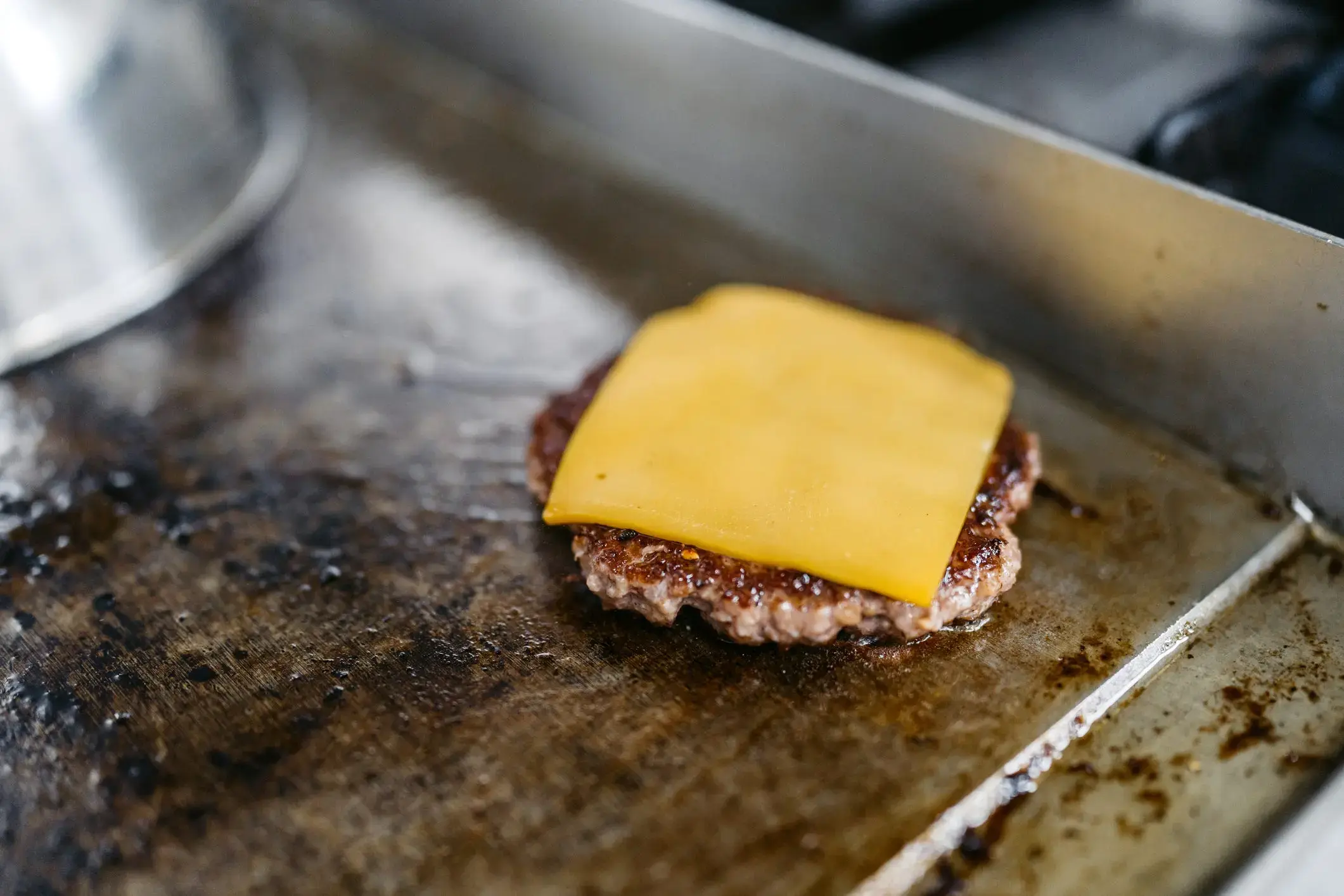
Fast food cheese mystery solved after industry investigation
Why Fast Food Chains Prefer Processed Blends
A new investigation into major fast food chains reveals that the use of real cheese is far less common than many consumers assume. The findings indicate a complex landscape where brands often blend natural ingredients with processed substitutes. This distinction matters because it affects flavor, texture, and nutritional value for millions of daily customers.
Latest news
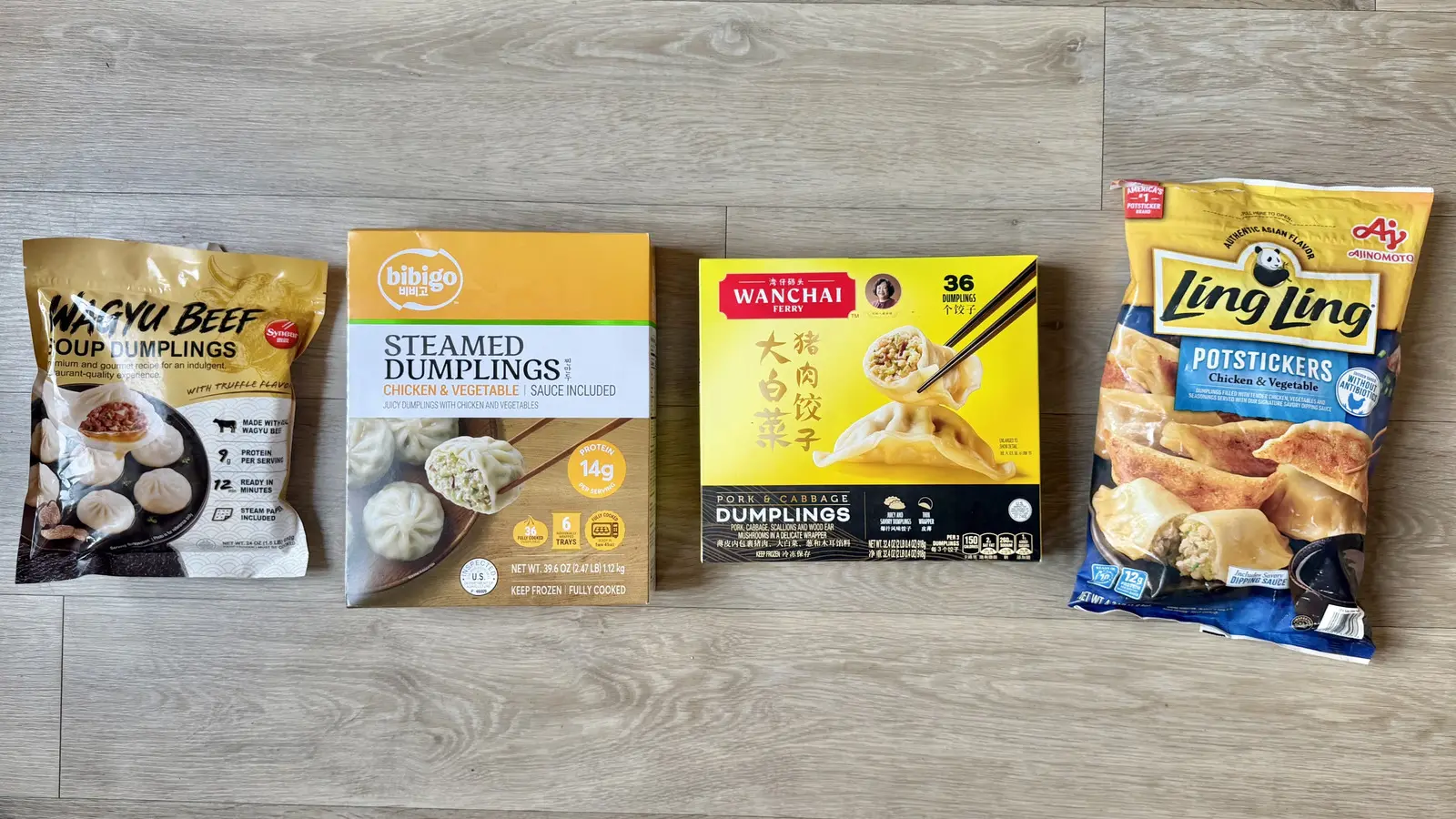 Costco's Frozen Dumpling Lineup, Ranked From Least To Most Tasty
 Best stainless-steel frying pans 2026: expert-tested picks for searing, eggs and daily cooking
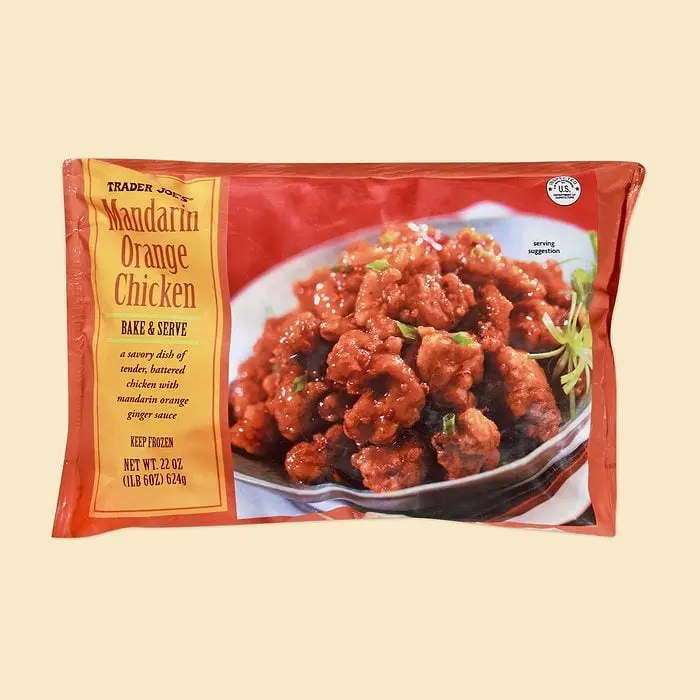 Trader Joe’s First‑Time Shopper Guide: Must‑Try Items
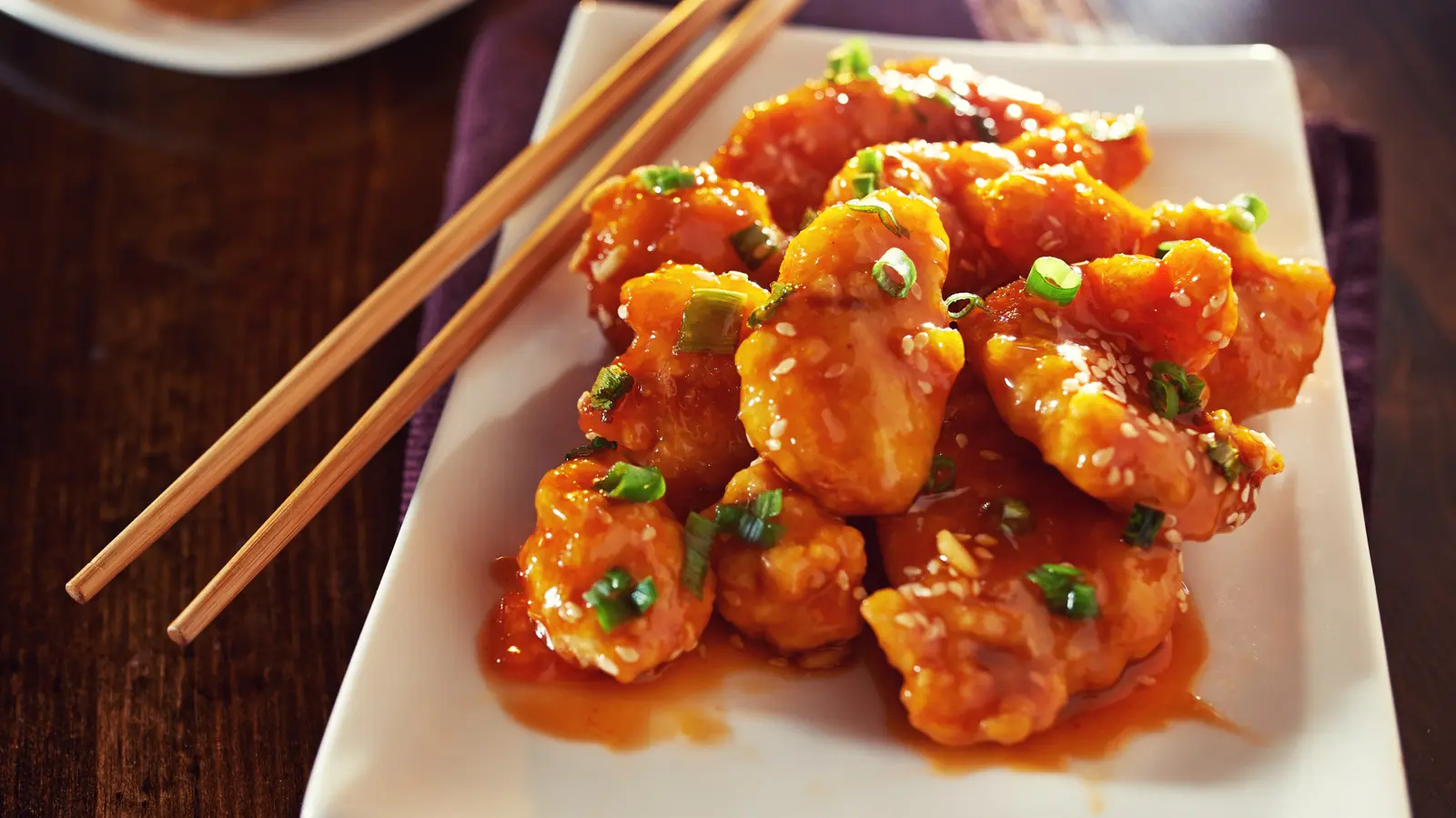 Panda Express vs P.F. Chang's: Which Orange Chicken Is Healthier?
The core issue lies in the definition of realcheese. Many chains use a mixture of natural cheddar and American cheese. Others rely heavily on processed cheese products that contain emulsifiers and stabilizers. These additives help the cheese melt smoothly and maintain a consistent color. However, they reduce the amount of actual dairy solids in the final product.
Chains prioritize consistency above all else. A burger must taste the same in New York as it does in Texas. Natural cheese varies based on the milk source and aging process. This variability creates risks for uniform brand identity. Processed cheese blends offer a standardized melt point and flavor profile. They also have longer shelf lives, which simplifies supply chain logistics. Furthermore, these blends are often cheaper to produce. This cost efficiency allows restaurants to keep menu prices competitive while maintaining high profit margins.
Does It Matter If Your Burger Uses Additives?
Customers rarely see the full ingredient list on the packaging. The term „cheeseon a menu can refer to anything from one hundred percent natural curds to a heavily processed slice. Some chains explicitly label their products as ”processed cheese.„Others use vague terms like ”cheese productor „cheese sauce.”This lack of transparency makes it difficult for diners to make informed choices.
The health implications are debated among nutritionists. Processed cheese often contains higher levels of sodium and preservatives. Natural cheese provides more protein and calcium per ounce. However, the difference is small in the context of a single meal. The bigger concern for some consumers is the presence of artificial colors and emulsifiers. These ingredients are generally recognized as safe by regulatory bodies. Yet, many people prefer to minimize their intake of processed additives.
Some brands are responding to consumer demand for cleaner labels. A few chains now offer natural cheeseoptions at an extra cost. This tiered pricing strategy acknowledges that purists are willing to pay more for quality. It also allows the company to serve the mass market with standard blends. This dual approach satisfies both budget-conscious shoppers and quality-focused diners.
The future of fast food cheese depends on shifting consumer preferences. As health awareness grows, pressure will increase for clearer labeling. Brands may need to disclose the percentage of natural cheese in their products. Transparency could become a key marketing tool. Until then, the average fast food meal likely remains a blend of science and tradition.
Frequently Asked Questions
Do all fast food burgers use processed cheese? No, not all of them do. Some chains use one hundred percent natural cheddar or mozzarella. However, the majority still utilize processed blends to ensure consistent melting properties across all locations.
Is processed cheese bad for you? It is not inherently unhealthy, but it often contains more sodium and additives. Natural cheese typically offers better nutritional density. The impact depends on your overall diet and specific health goals.
Can I ask my restaurant for natural cheese? Yes, many locations can accommodate this request. You should check the specific menu items available at your local branch. Some places may charge a small premium for the upgrade.
Content written by Isabelle Fontaine for fancy-meals.com editorial team, AI-assisted.