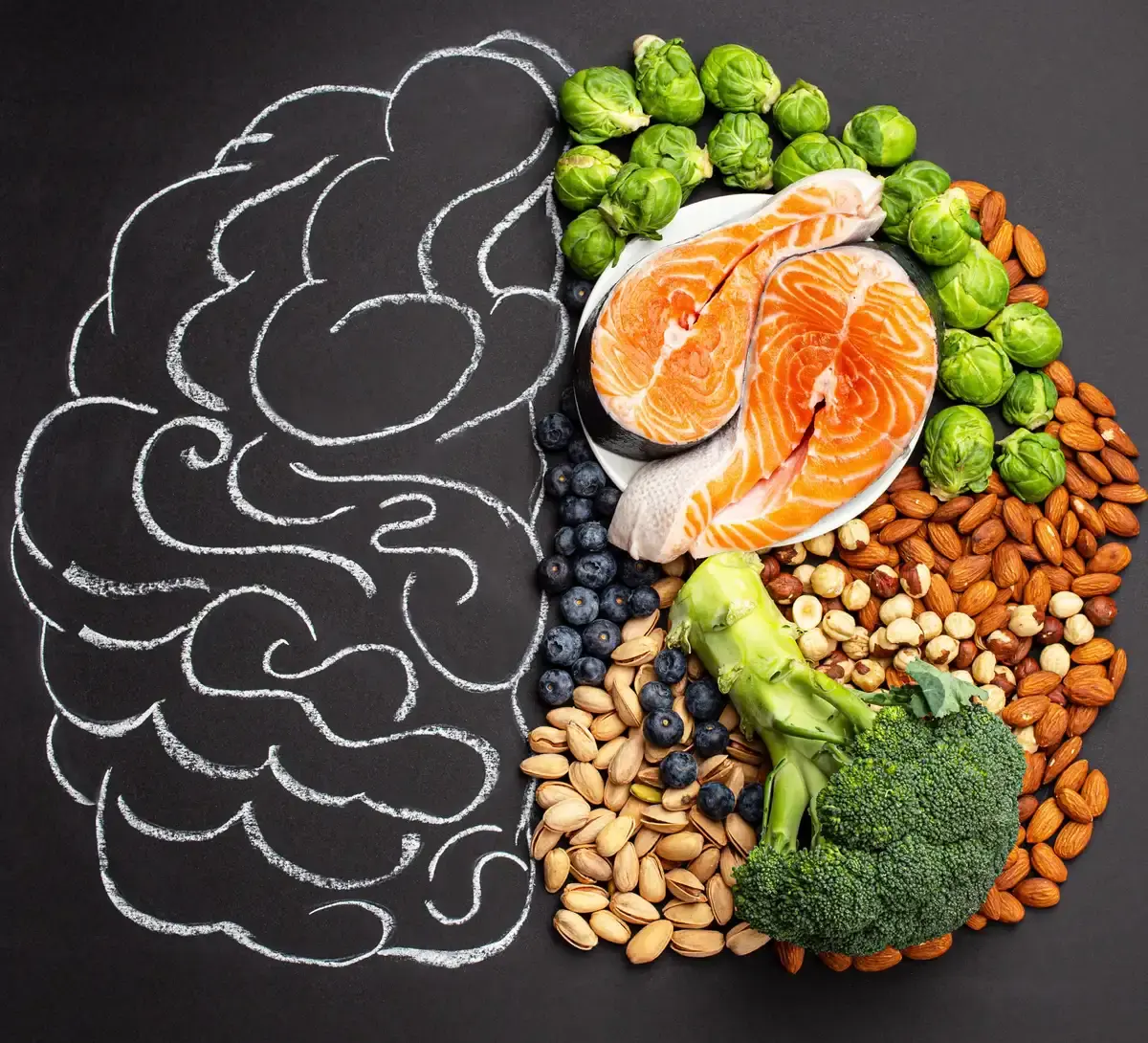
Dietary Tweaks Can Slow Brain Aging, New Research Shows
Nutrients That Shield the Aging Brain
A multinational study released this week links everyday food choices to slower cognitive decline in adults over 60. Researchers tracked 12,000 participants across Europe and North America for five years, finding that modest diet adjustments cut the risk of dementia by up to 30 percent. The findings appear in the journal NeuroNutrition and suggest that lifestyle changes remain effective well into later life.
Latest news
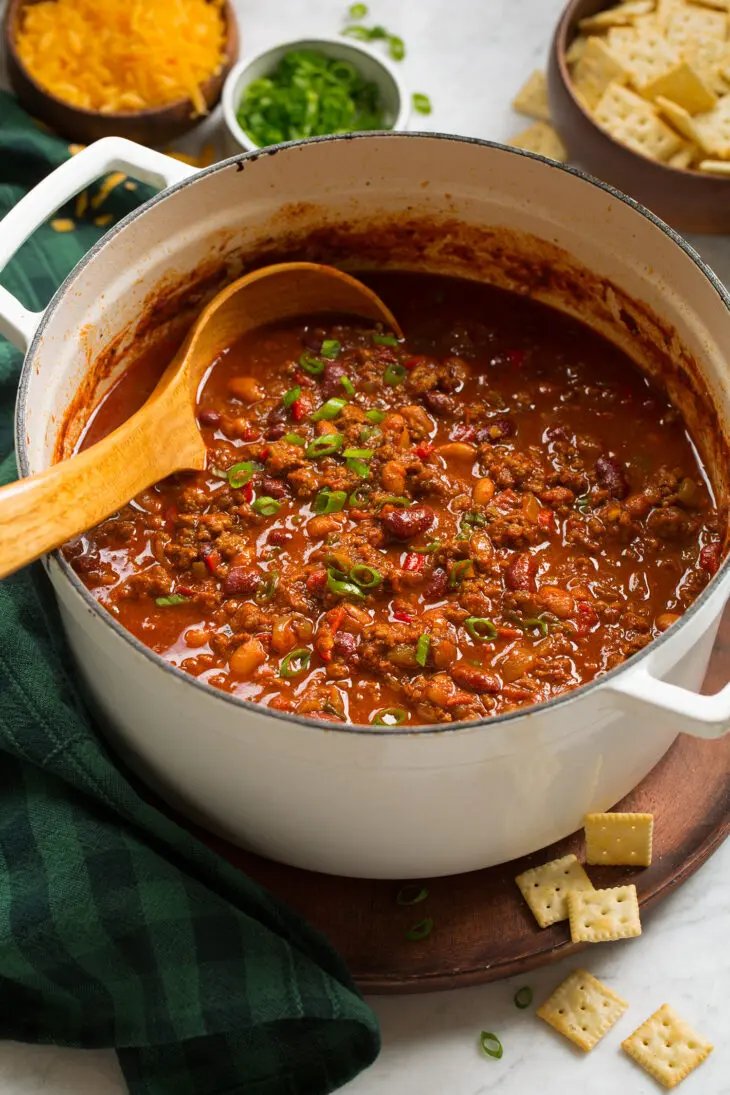 The Ultimate Homemade Chili Recipe for Cold Weather
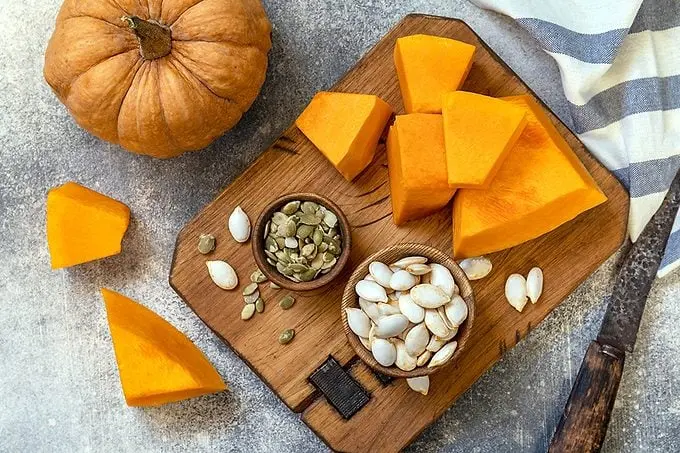 The Nutritional Power of Pumpkin Beyond Seasonal Desserts
 A Culinary Journey Through the 30th Epcot International Food and Wine Festival
 Burger King Unleashes Hello Kitty Kids' Meal with Ultra-Rare Golden Collectible
The analysis compared participants who adhered to a plant‑rich eating plan with those consuming typical Western diets high in processed foods. Those who increased intake of leafy greens, nuts, fish, and whole grains showed better performance on memory and executive‑function tests. Blood tests revealed lower inflammatory markers and higher levels of brain‑protective compounds. The authors argue that the diet’s impact stems from reduced oxidative stress and improved vascular health, both critical for maintaining neural pathways.
Key components identified include omega‑3 fatty acids, polyphenols, and B‑vitamins. Omega‑3s, abundant in oily fish such as salmon, support cell membrane fluidity, which facilitates efficient signal transmission. Polyphenols—found in berries, dark chocolate, and green tea—act as antioxidants, neutralizing free radicals that can damage neurons. B‑vitamins, especially folate and B12, help lower homocysteine, a molecule linked to vascular inflammation and cognitive impairment.
Can Simple Meal Changes Really Turn Back the Clock?
Lead author Dr. Elena Martínez noted, „Our data show that participants who met recommended levels of these nutrients performed significantly better on neuropsychological assessments, even after adjusting for education and physical activity.” The study also highlighted the role of dietary fiber, which promotes a healthy gut microbiome that may influence brain health through the gut‑brain axis.
Many wonder whether small dietary tweaks can truly affect brain aging. The researchers stress that consistency, not perfection, drives benefits. Swapping a sugary snack for a handful of almonds, adding a serving of leafy vegetables to dinner, or choosing whole‑grain bread over refined options can cumulatively shift risk profiles.
„People often think they need a radical overhaul,” said nutritionist Maya Patel, who was not involved in the study. „In reality, incremental changes—like incorporating fish twice a week or replacing soda with water—add up over time and can protect cognitive function.” The study’s longitudinal design supports the notion that gradual adoption of healthier foods yields measurable neuroprotective effects.
As populations age, the economic and personal toll of dementia looms large. This research offers a hopeful avenue: dietary modification, a low‑cost, widely accessible strategy, could delay onset and reduce severity. Public health agencies may soon prioritize nutrition education alongside traditional risk‑reduction measures such as exercise and blood‑pressure control.
Frequently Asked Questions
What specific foods should seniors prioritize to support brain health? Focus on oily fish, leafy greens, berries, nuts, legumes, and whole grains. These foods supply omega‑3s, antioxidants, fiber, and essential vitamins that bolster neural resilience.
Is it ever too late to benefit from dietary changes? No. The study shows that even participants who altered their diets after age 70 experienced slower cognitive decline, indicating that the brain remains responsive to nutritional inputs later in life.
Do supplements replace the need for a balanced diet? Supplements can help fill gaps but cannot replicate the complex synergy of nutrients found in whole foods. Experts recommend using supplements only under medical guidance while maintaining a varied diet.
Content written by Lucas Carter for fancy-meals.com editorial team, AI-assisted.