
Redesigning Dining: A New Approach to Pasta
Rethinking Utensil Interaction
Designers Bodin Hon and Dilara Kan Hon recently presented an innovative concept at Milan Design Week. The couple, working through their agency Studio Yellowdot, focused on improving the dining experience of a traditionally unrefined food: pasta. Their work seeks to elevate the simple act of eating pasta with greater elegance and style.
Latest news
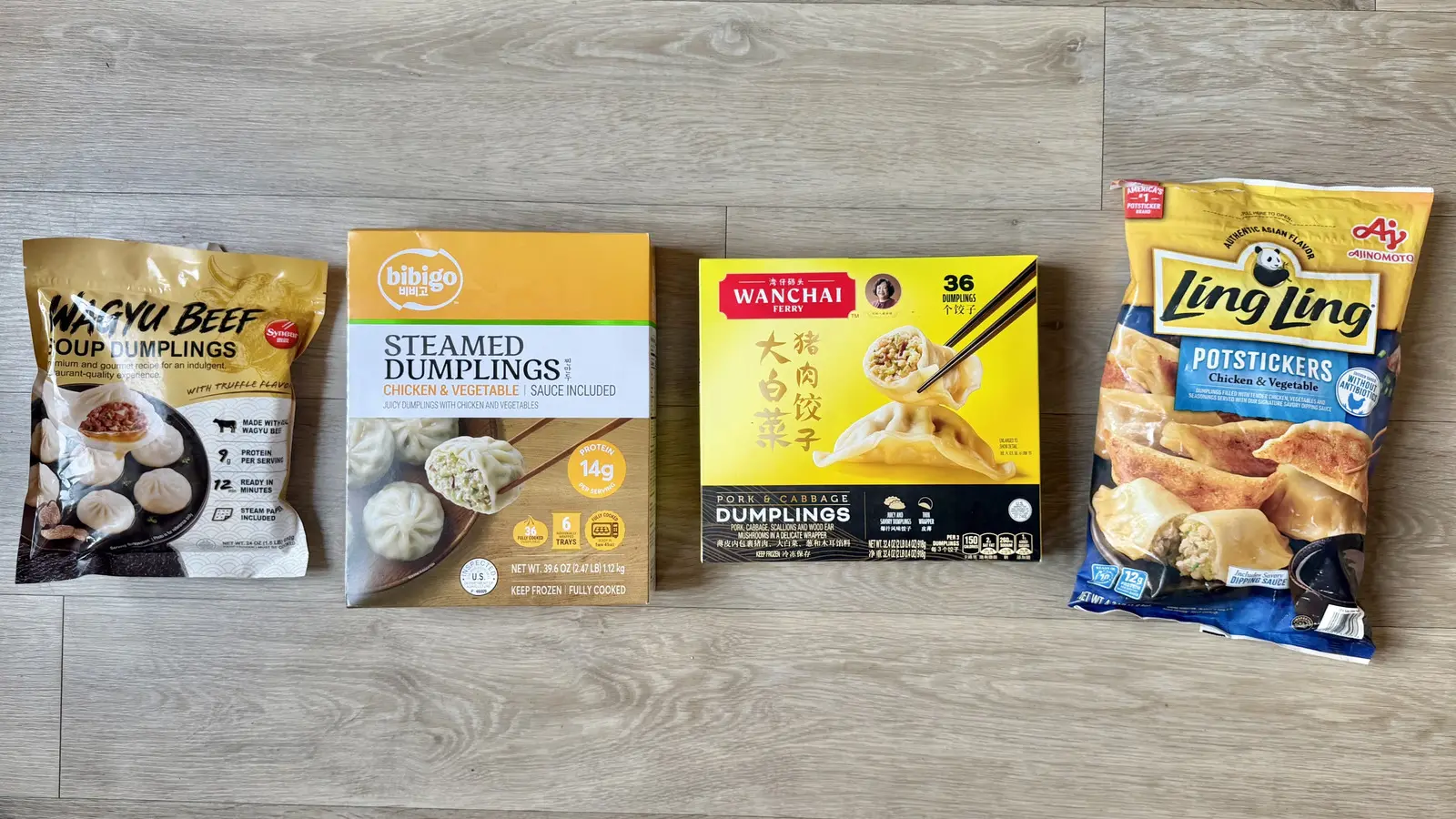 Costco's Frozen Dumpling Lineup, Ranked From Least To Most Tasty
 Best stainless-steel frying pans 2026: expert-tested picks for searing, eggs and daily cooking
 Trader Joe’s First‑Time Shopper Guide: Must‑Try Items
 Panda Express vs P.F. Chang's: Which Orange Chicken Is Healthier?
The designers identified a common issue with traditional pasta consumption—its lack of gracefulness. Hon explained that the act of piercing pasta with a fork isn’t aesthetically pleasing. This observation sparked a creative endeavor to reimagine how pasta is presented and enjoyed. Studio Yellowdot collaborated with various partners to explore solutions. These included producers of soy milk and establishments centered around egg-themed cuisine.
Is Elegance Possible in Everyday Food?
The core of Studio Yellowdot’s project revolves around minimizing the need to „stab” pasta. While specific details of their design solutions weren’t released, the initiative suggests a focus on pasta shapes or serving methods. These would allow for easier and more refined handling. The collaboration with soy milk producers hints at potential ingredient modifications. This could affect pasta texture and structural integrity.
The agency’s approach extends beyond mere aesthetics. It considers the entire dining experience. Partnering with egg-themed restaurants demonstrates an interest in complementary flavors and presentations. This holistic strategy aims to transform a commonplace meal into a more sophisticated event. The designers believe even everyday foods deserve thoughtful design.
What inspired Studio Yellowdot’s pasta redesign?
Hon and Kan Hon’s work raises a broader question about design’s role in daily life. Can simple, utilitarian objects and experiences be elevated through intentional design choices? Studio Yellowdot’s project suggests that even something as basic as eating pasta can benefit from a fresh perspective. The designers aim to demonstrate that elegance isn't limited to fine dining or luxury goods. It can be integrated into routine activities.
How did the partnerships with soy milk producers and egg restaurants contribute
The impact of this project remains to be seen. However, it highlights a growing trend toward mindful consumption and design that prioritizes user experience. By focusing on a seemingly insignificant detail—the act of eating pasta—Studio Yellowdot has sparked a conversation about the potential for design to improve everyday life. This approach could influence future food presentation and dining experiences.
The designers were motivated by the perceived lack of elegance in eating traditional pasta. Bodin Hon specifically noted that having to pierce pasta with a fork felt ungraceful. This observation led them to explore ways to improve the dining experience of this common food.
Why focus on pasta specifically?
The collaboration with soy milk producers suggests exploration of ingredient modifications to alter pasta texture. The egg-themed restaurants indicate a focus on complementary flavors and overall presentation. These partnerships demonstrate a holistic approach to improving the dining experience.
Pasta was chosen as a subject because it represents a widely consumed, yet often inelegant, food. The designers wanted to demonstrate that even everyday items could benefit from thoughtful design. They aimed to elevate a routine experience through innovative solutions.
Content written by Isabelle Fontaine for fancy-meals.com editorial team, AI-assisted.