Comparing the Nutritional Profiles of Popular Chocolate Bars
Unpacking the Ingredient Differences
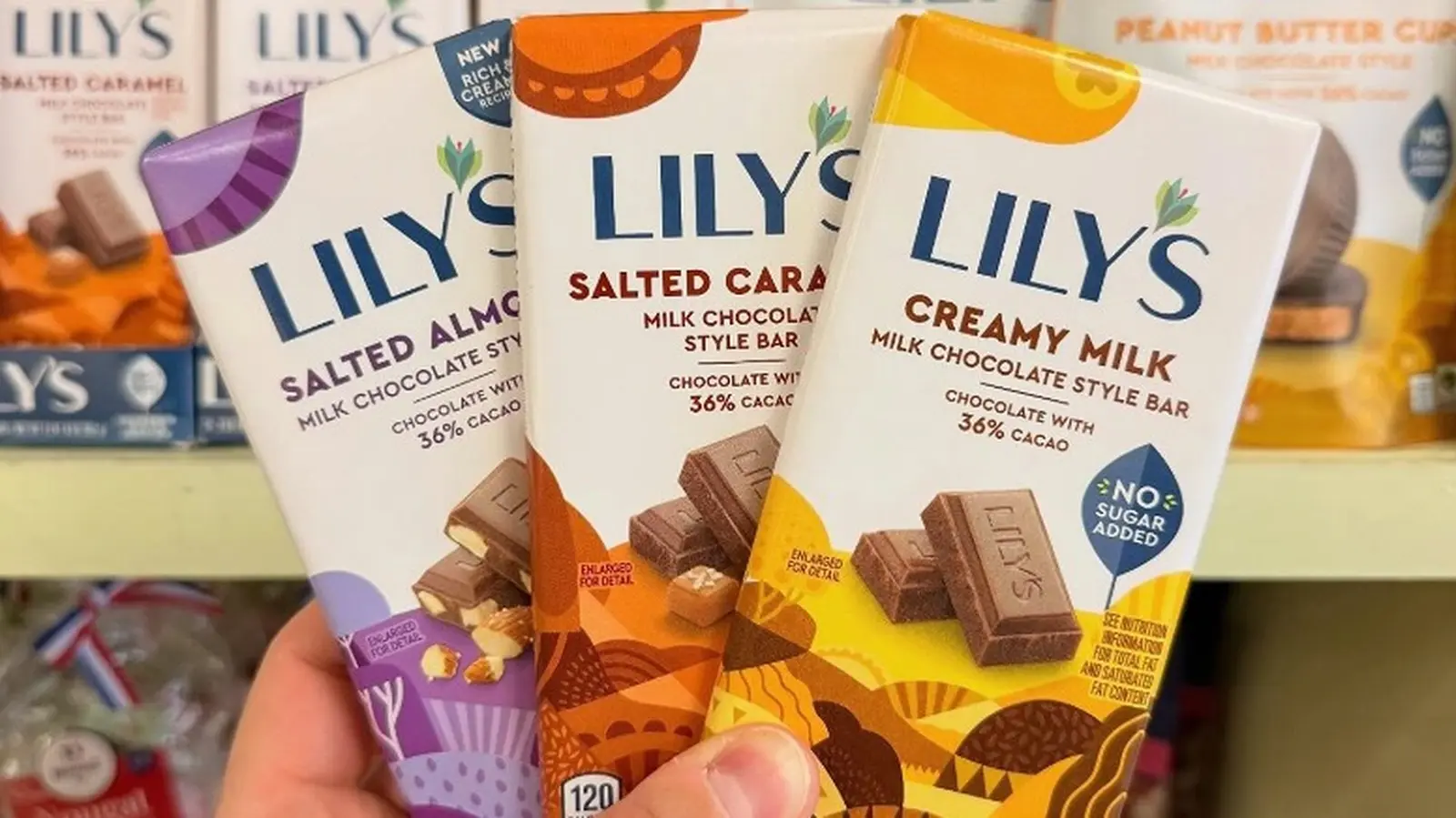
Shoppers often weigh the nostalgic appeal of traditional milk chocolate against newer, health-conscious alternatives in the candy aisle. While classic bars remain a staple for many consumers, brands like Lily’s have gained significant popularity. These products promise a different experience, leading many to wonder if they truly offer a superior nutritional profile compared to industry giants like Hershey's.
Latest news
 What Likely Appeared on the First Thanksgiving Menu in 1621
 Anthony Bourdain’s Most Unforgettable Meals on „No Reservations”
 Mastering the Art of Perfect Pie Baking
 Chocolate Peppermint Whoopie Pies: Holiday Treats Made Easy With Boxed Mix
The primary difference lies in the ingredient composition and sweetening methods. Hershey’s relies on traditional sugar to achieve its signature flavor and texture. In contrast, Lily’s markets its bars as a lower-sugar option. These alternatives typically utilize sugar alcohols and plant-based sweeteners to reduce the overall carbohydrate count, catering to those monitoring their blood sugar levels or following specific dietary plans.
When examining the labels, the most striking variation is the sugar content. Traditional milk chocolate bars contain high amounts of refined cane sugar. Lily’s products often feature stevia or erythritol, which provide sweetness without the same caloric density. However, these sugar substitutes can sometimes cause digestive discomfort for sensitive individuals if consumed in large quantities.
Is a Healthier Label Always Better?
The texture also differs significantly due to these substitutions. Traditional cocoa butter blends create the smooth, melt-in-your-mouth quality that defines classic candy. Alternative bars may have a slightly different mouthfeel or aftertaste. Choosing between them often comes down to a personal preference for flavor versus a desire to limit sugar intake.
While alternative bars may contain less sugar, they are still processed confections. Nutritionists often emphasize that treating these items as health foods can be misleading. A chocolate bar remains a treat regardless of the sweetener used. Moderation is essential for any dietary approach, as calorie counts can remain comparable between the two types of products.
Frequently Asked Questions
Ultimately, the choice depends on individual health goals. If you are strictly limiting sugar for medical reasons, alternative brands may fit your needs better. If you prioritize the classic taste and texture of traditional chocolate, a standard bar remains the industry benchmark. Consumers should always read the full ingredient list to understand exactly what they are eating.
What is the main difference between these two types of chocolate? The primary difference is the sweetener used. Hershey’s uses traditional cane sugar, while Lily’s typically uses sugar alcohols or plant-based alternatives like stevia.
Are alternative chocolate bars considered healthy? They are generally lower in sugar, but they are still processed treats. They should be consumed in moderation as part of a balanced diet.