Comparing the Nutritional Profiles of Leading Italian Salad Dressings
Analyzing the Caloric and Fat Content
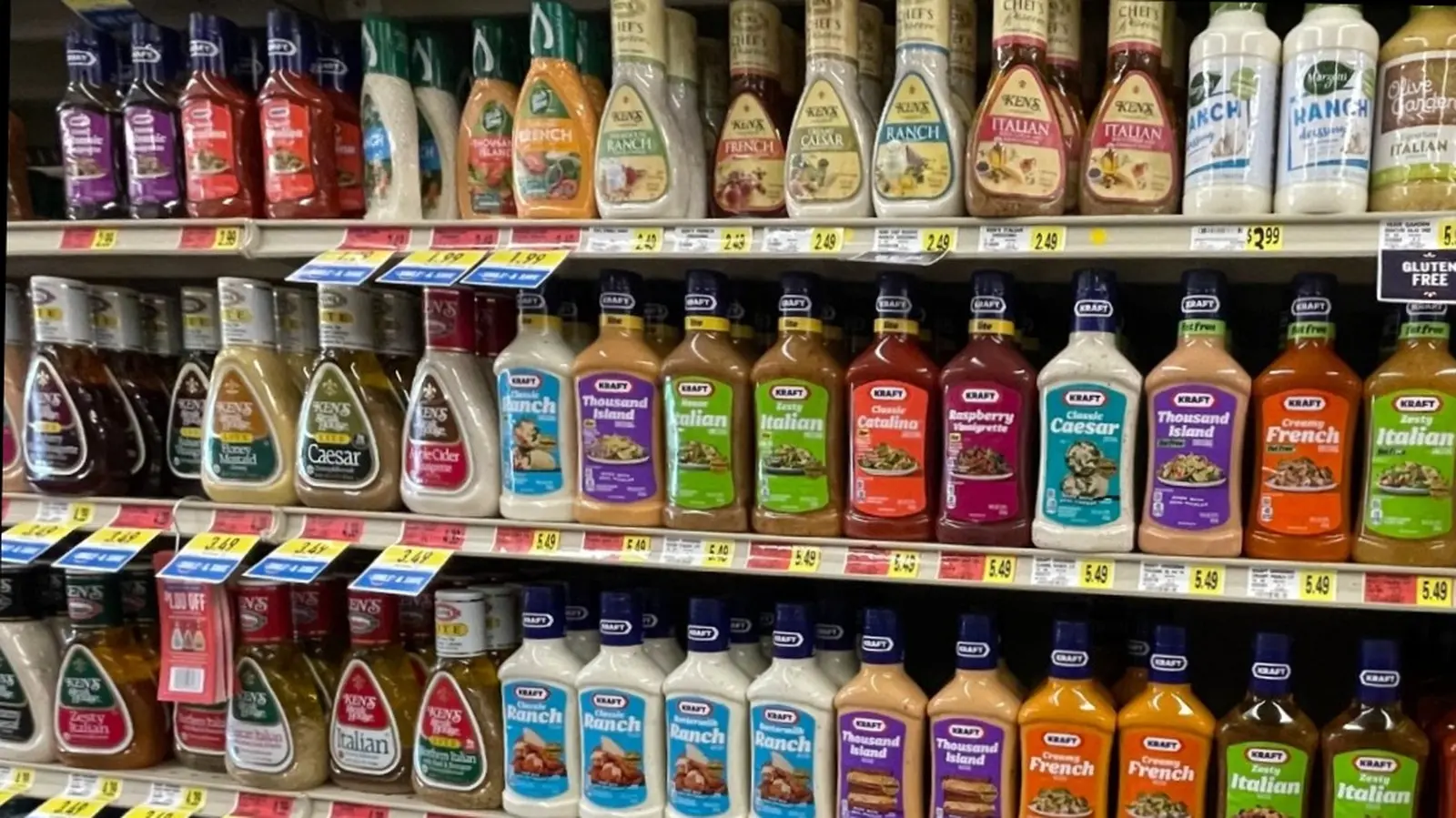
Shoppers browsing the condiment aisle often face a difficult choice between popular Italian dressing brands like Ken's Steak House and Wish-Bone. Both companies dominate the market with distinct flavor profiles, yet health-conscious consumers frequently struggle to determine which option offers a better nutritional balance for their daily salads.
Latest news
 What Likely Appeared on the First Thanksgiving Menu in 1621
 Anthony Bourdain’s Most Unforgettable Meals on „No Reservations”
 Mastering the Art of Perfect Pie Baking
 Chocolate Peppermint Whoopie Pies: Holiday Treats Made Easy With Boxed Mix
Deciding between these two household names requires a close look at the ingredient labels. While both dressings rely on a base of oil, vinegar, and herbs, the specific ratios of fat, sodium, and sugar vary significantly. Understanding these differences helps diners make informed decisions that align with their personal dietary goals.
The primary difference between these dressings often lies in the density of their oil content. Higher oil concentrations increase the calorie count per serving, which can impact those monitoring their total energy intake. Ken's Steak House often features a robust, oil-heavy blend that provides a rich mouthfeel but carries a higher caloric load.
Which Bottle Should You Choose for Your Diet?
Wish-Bone, conversely, frequently utilizes a slightly lighter formulation. By adjusting the water and vinegar ratios, they manage to offer a zesty taste that remains lower in calories per tablespoon. However, consumers should remain vigilant, as both brands occasionally include added sugars or stabilizers to enhance shelf life and texture.
Selecting the right dressing depends entirely on your specific nutritional priorities. If your main objective is minimizing calorie intake, comparing the serving sizes on the back of each bottle is essential. A small difference in serving size can mask the true caloric impact of a heavy pour over your greens.
Frequently Asked Questions
Sodium levels also warrant careful consideration. Many commercial Italian dressings contain high amounts of salt to preserve flavor, which may be a concern for those managing blood pressure. Checking the nutrition facts panel for the daily value percentage of sodium is the most reliable way to compare these products effectively.
What is the main difference between these dressings? The primary differences involve the ratio of oil to vinegar and the concentration of added sugars. These factors determine the total calorie count and the overall flavor intensity of each brand.
Are there healthier alternatives to store-bought dressings? Yes, creating a simple vinaigrette at home using olive oil, balsamic vinegar, and fresh herbs allows you to control the exact ingredients. This method eliminates hidden sugars and excess sodium found in many processed versions.