
13 Chefs Share Kitchen Ingredients That Waste Your Money and What to Buy Instead
Why Pre-Packaged Herbs Are a False Economy
A group of prominent UK chefs including Nadiya Hussain and Matt Tebbutt have identified common kitchen staples they believe are unnecessary expenses, urging home cooks to reconsider what they buy. From pre-made sauces to microwave rice packets, these culinary experts argue that many convenience items offer poor value and can be easily replaced with fresher, cheaper alternatives that improve both flavor and nutrition.
Latest news
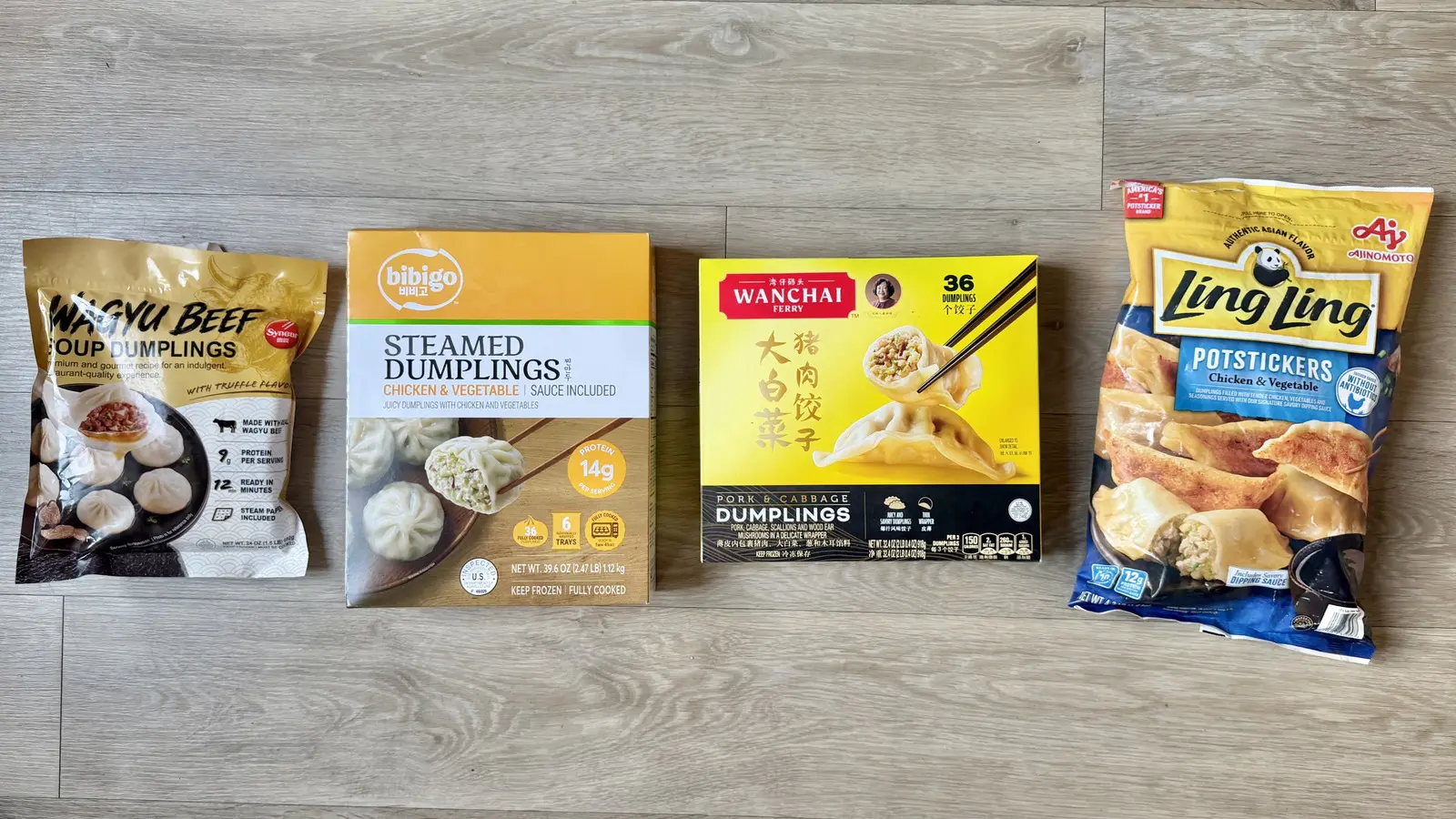 Costco's Frozen Dumpling Lineup, Ranked From Least To Most Tasty
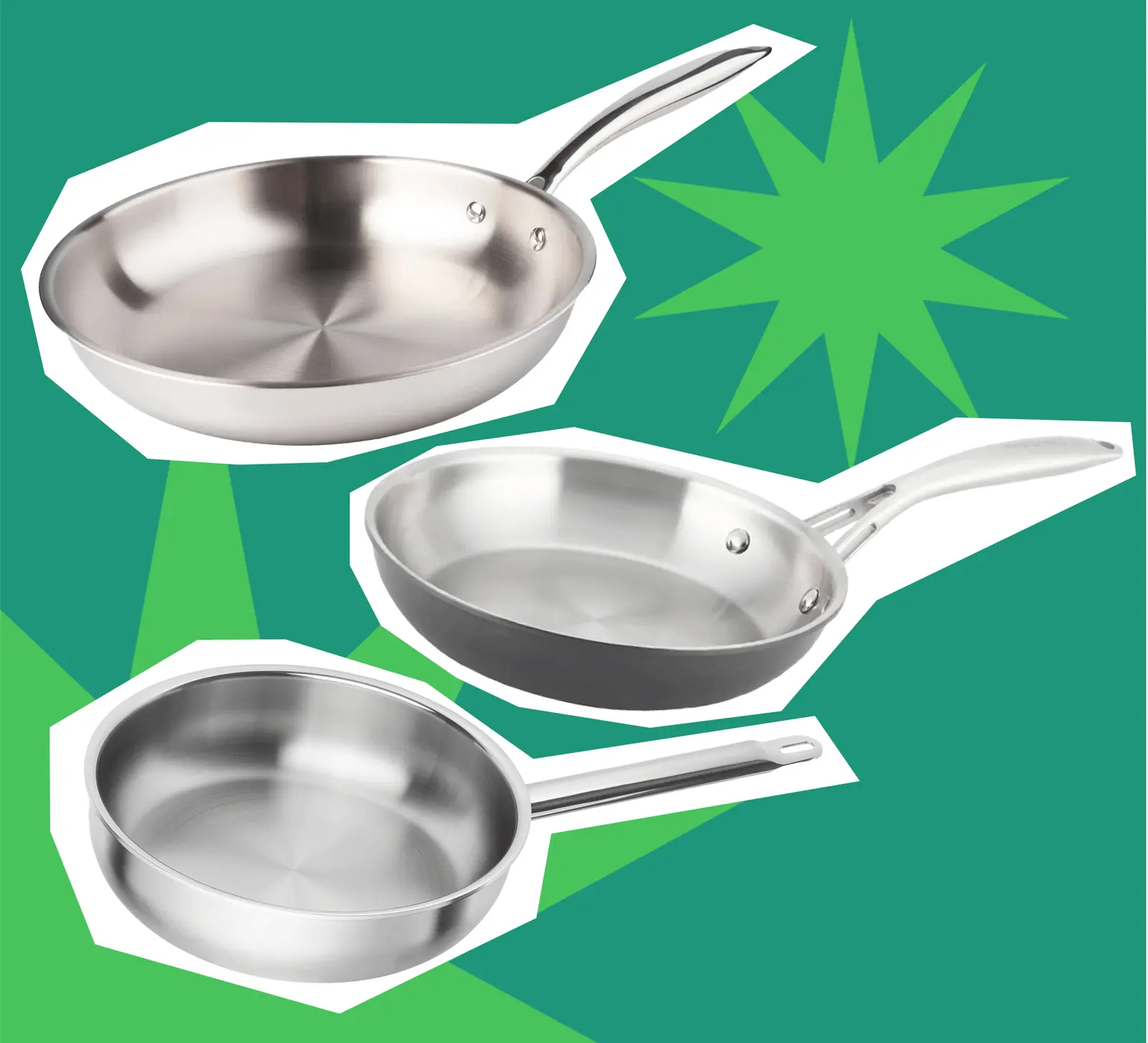 Best stainless-steel frying pans 2026: expert-tested picks for searing, eggs and daily cooking
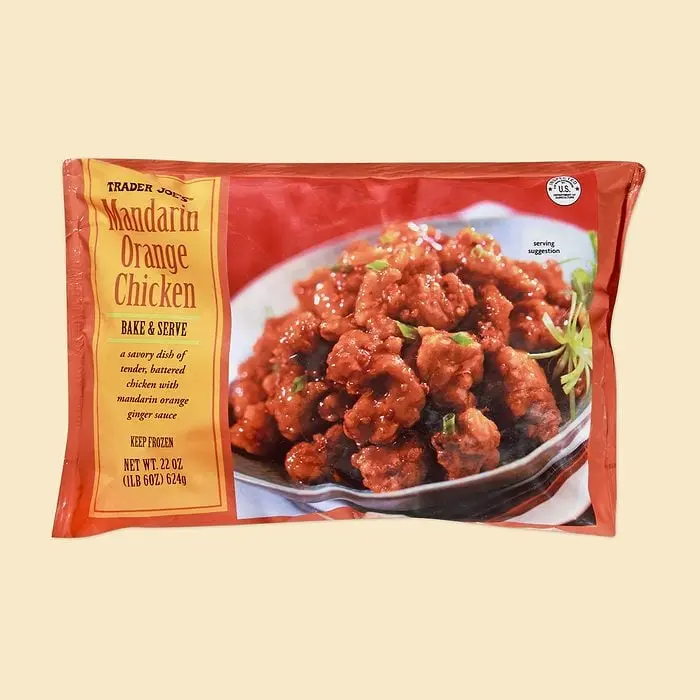 Trader Joe’s First‑Time Shopper Guide: Must‑Try Items
 Panda Express vs P.F. Chang's: Which Orange Chicken Is Healthier?
The chefs highlight that products like pre-grated cheese, ready-made spice mixes, and instant gravy often cost significantly more than their homemade versions while containing additives and less authentic taste. Hussain points out that buying a block of cheese and grating it yourself takes seconds and avoids anti-caking agents found in pre-packaged versions. Tebbutt adds that making a simple tomato sauce from canned tomatoes, garlic, and herbs not only saves money but allows control over salt and sugar levels, resulting in a superior base for countless dishes.
How Can You Save Without Sacrificing Flavor?
Several chefs specifically criticize the cost of fresh herbs sold in plastic packets, noting they frequently wilt before use and cost far more than growing your own or buying loose bunches. Matt Tebbutt suggests that a single pot of basil on a windowsill can provide weeks of supply for less than the price of one packet, while also reducing plastic waste. Nadiya Hussain recommends freezing chopped herbs in ice cube trays with water or oil as a practical way to preserve them and avoid throwing away spoiled greens.
The chefs emphasize that saving money in the kitchen doesn’t mean eating bland food—instead, it often leads to better-tasting meals. By learning a few basic skills like making stock from vegetable scraps or toasting whole spices before grinding, home cooks can build depth of flavor without relying on expensive shortcuts. They encourage planning meals around seasonal produce and using leftovers creatively, which not only cuts costs but also reduces food waste—a benefit for both the wallet and the environment.
Is it really cheaper to make sauces from scratch? Yes, according to the chefs, a homemade tomato sauce using canned tomatoes, onion, and garlic costs less than half the price of a jarred version and avoids added sugars and preservatives.
Frequently Asked Questions
Can I still save money if I don’t have time to cook from scratch? Absolutely—small changes like grating your own cheese, using dried herbs instead of fresh packets, or making a simple vinaigrette take minimal time and yield immediate savings.
Will switching to basic ingredients affect the taste of my meals? The chefs agree that moving away from processed convenience items often improves flavor, as you gain control over ingredients and can tailor dishes to your preference with fresher, more natural components.
Content written by Isabelle Fontaine for fancy-meals.com editorial team, AI-assisted.