
Value Wine Vs Cheap Wine: Is There A Difference?
In contrast, cheap wineoften indicates lower production standards, potentially
Finding a good bottle of wine at a fair price can feel overwhelming for many shoppers. With countless labels, regions, and price points, determining what makes a wine a good value often requires more than just glancing at the tag. Experts suggest that understanding the difference between value and cheap wine involves looking beyond cost to quality, production methods, and intended use. The term value winetypically refers to bottles that offer solid quality relative to their price, often coming from lesser-known regions or producers who prioritize consistency over prestige. These wines may not carry famous labels but still deliver enjoyable flavors and reliable craftsmanship.
Latest news
 Prosciutto Elevates the Classic Grilled Cheese Sandwich
 Costco Frozen Shrimp Rivals Steakhouse Appetizers
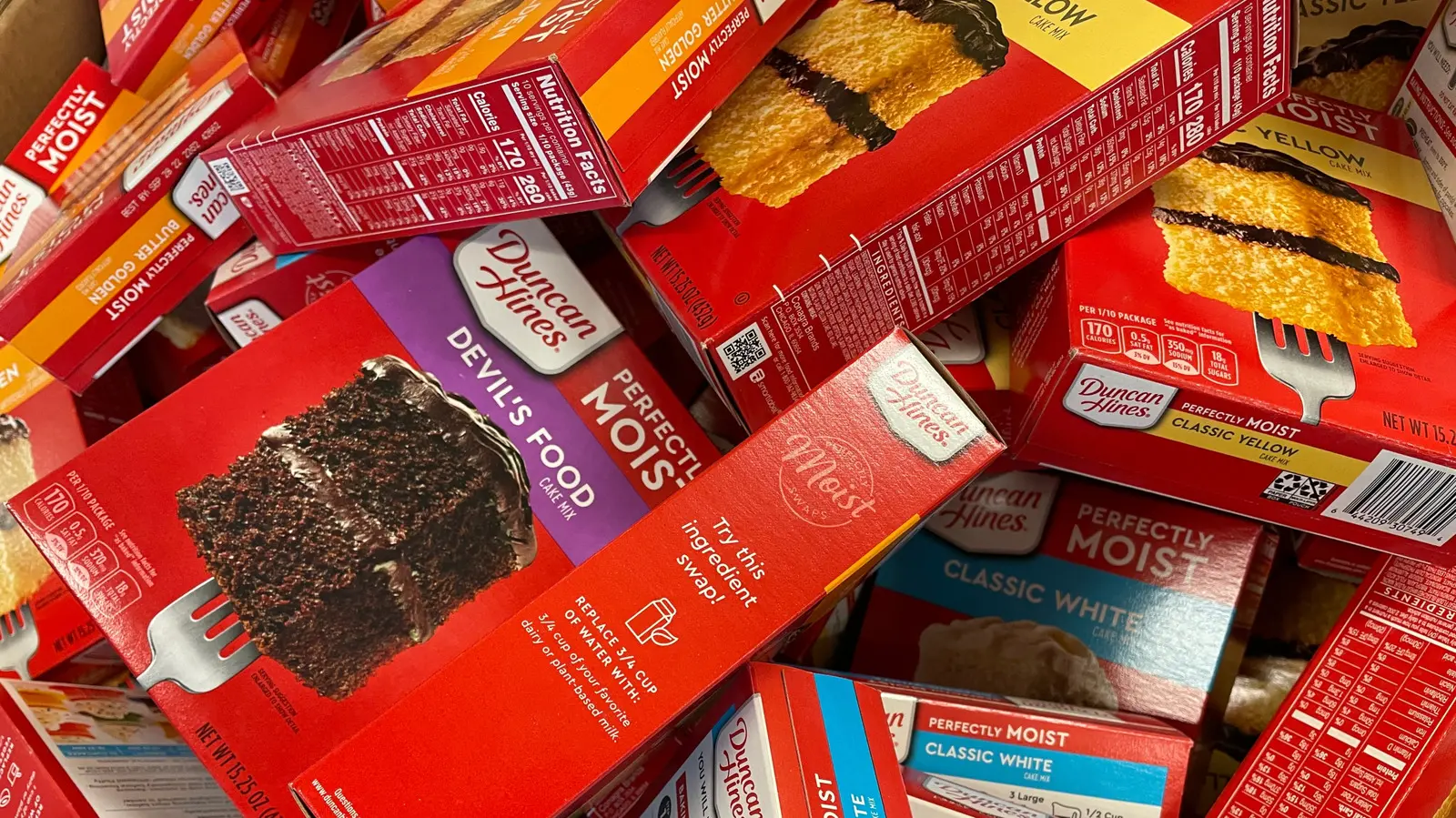 Skip Store‑Shelf German Chocolate for This Rich Duncan Hines Cake Mix
 Severed Sun: A Blood-Red Bourbon Halloween Cocktail
In contrast, cheap wineoften indicates lower production standards, potentially using mass-produced grapes, additives, or shortened aging processes to cut costs, which can affect taste and overall experience. How Production Choices Affect Wine Quality Winemakers aiming for value often focus on efficient farming and smart blending to maintain flavor without inflating prices. They might use sustainable practices or work with cooperatives to reduce overhead. Cheap wines, however, may rely on high yields and chemical adjustments to compensate for inferior fruit, resulting in a less balanced or artificial taste. Experts note that while not all inexpensive wines are poor, extremely low prices can signal compromises in the winemaking process. What Should Consumers Look For When Choosing Wine? Shoppers seeking value should consider the wine’s origin, grape variety, and vintage rather than just the price tag. Reading labels for region-specific designations or producer reputation can offer clues about quality.
Tasting notes from trusted sources or staff recommendations also help identify bottles that overdeliver for their cost. Ultimately, the best value wine is one that satisfies your palate without straining your budget. Frequently Asked Questions Is expensive wine always better than value wine? Not necessarily. Price can reflect branding, rarity, or marketing rather than superior taste. Many value wines score highly in blind tastings against pricier counterparts. Can cheap wine ever be enjoyable? Yes, especially for casual drinking or cooking. Some inexpensive wines are perfectly acceptable for everyday use, though they may lack complexity or aging potential. How can I tell if a wine is truly a good value? Look for consistent positive reviews, know the typical price range for its region and varietal, and trust your own taste after trying it.
Content written by Isabelle Fontaine for fancy-meals.com editorial team, AI-assisted.