
Umami vs Savory: What's the Difference?
Unpacking Umami's Unique Character
The world of taste is complex, with five distinct flavors: sweet, sour, salty, bitter, and umami. Recently, umami has gained popularity, leaving many wondering about its distinction from savory. This confusion stems from the frequent interchangeable use of the two terms.
Latest news
 The Ultimate Homemade Chili Recipe for Cold Weather
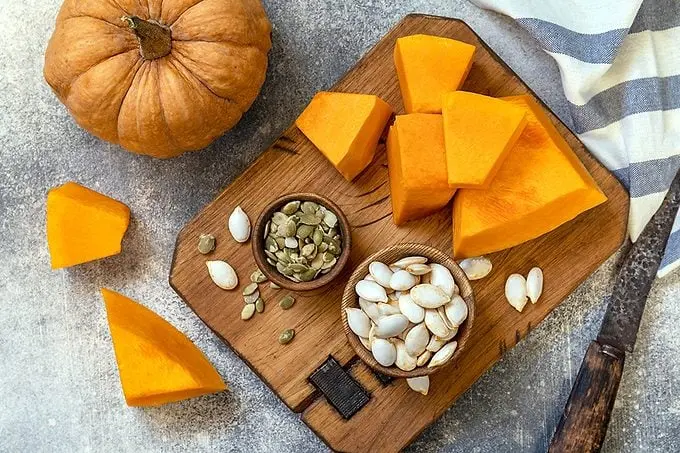 The Nutritional Power of Pumpkin Beyond Seasonal Desserts
 A Culinary Journey Through the 30th Epcot International Food and Wine Festival
 Burger King Unleashes Hello Kitty Kids' Meal with Ultra-Rare Golden Collectible
Umami is one of those sophisticated words to throw out at a dinner party, while describing something as savory feels broader and more general. The terms umami and savory are often used interchangeably, but is there a real difference between them? Historically, umami was first identified by a Japanese chemist, Kikunae Ikeda, in the early 20th century.
Is Umami Just a Fancy Word for Savory?
Umami is often described as a meaty or brothy flavor, associated with foods high in glutamates, such as mushrooms, soy sauce, and Parmesan cheese. Unlike savory, which can encompass a range of flavors, umami is a distinct taste that enhances the overall flavor profile of a dish. For instance, a rich beef stew can be both savory and umami, with the umami taste adding depth to the overall flavor.
While some argue that umami is simply a fancy word for savory, others contend that it is a distinct taste that elevates the culinary experience. The distinction between the two terms lies in their scope and specificity. Savory is a broad term that can describe a wide range of flavors, whereas umami is a specific taste that adds complexity to a dish.
Frequently Asked Questions
As our understanding of umami continues to grow, it's likely that we'll see a greater appreciation for this distinct flavor in the culinary world. Chefs and food enthusiasts will continue to experiment with umami-rich ingredients, pushing the boundaries of flavor and creativity.
What is the main difference between umami and savory? Umami is a distinct taste associated with glutamates, while savory is a broader term describing a range of flavors. Is umami a natural or artificial flavor? Umami is a natural flavor found in many foods, including mushrooms and aged cheeses. Can umami be replicated artificially? Yes, umami flavor can be replicated using ingredients like monosodium glutamate (MSG) or yeast extract.
Content written by Isabelle Fontaine for fancy-meals.com editorial team, AI-assisted.