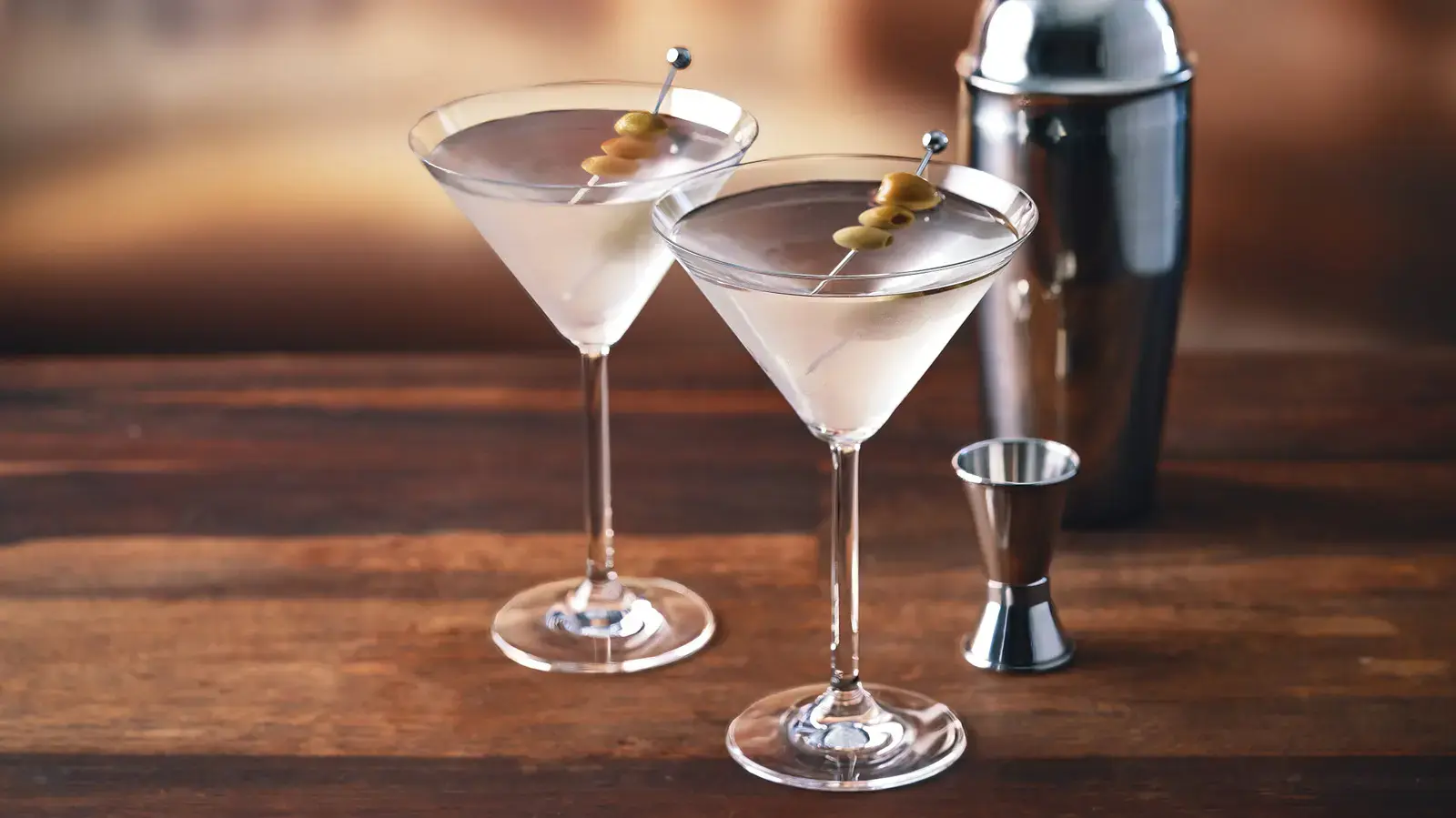
Three Simple Methods Help Novices Distinguish Premium Gin
Reading Between the Lines on Bottle Labels
Gin stands out as one of the most complex spirits available today. For beginners, selecting a high-quality bottle can feel overwhelming due to the wide variety of options. Two industry experts recently shared practical advice for navigating this landscape. Their guidance focuses on simple, accessible techniques that do not require years of training. This approach makes it easier for new drinkers to make informed choices without relying on expensive labels or brand reputation alone. The goal is to empower consumers to trust their own senses while exploring this versatile category.
Latest news
 Prosciutto Elevates the Classic Grilled Cheese Sandwich
 Costco Frozen Shrimp Rivals Steakhouse Appetizers
 Skip Store‑Shelf German Chocolate for This Rich Duncan Hines Cake Mix
 Severed Sun: A Blood-Red Bourbon Halloween Cocktail
The first step involves examining the label closely. Quality producers often list specific botanicals used in the distillation process. Look for named ingredients like juniper, coriander, or citrus peel rather than vague terms such as „natural flavors.”Transparency indicates confidence in the recipe. Additionally, check for the alcohol proof. While preferences vary, many premium gins fall within a specific range that balances strength with flavor clarity. Understanding these basic details helps filter out mass-produced options that may lack depth or character.
Experts emphasize that the back of the bottle tells a story. A detailed description of the production method can reveal whether the gin was distilled in copper stills or using other traditional techniques. These methods often result in smoother profiles. Furthermore, the origin of the water and botanicals matters. Local sourcing can impart unique regional characteristics. Consumers should look for statements about sustainability or small-batch production. These markers often correlate with higher attention to detail during manufacturing. It is not just about the price tag; it is about the narrative provided by the producer.
Does Price Always Predict Taste?
Tasting remains the ultimate test of quality. Start by smelling the spirit before pouring it into a glass. High-quality gins usually have a clean, sharp aroma without harsh alcohol fumes. When tasting, sip slowly and note the balance between botanicals. A good gin will not taste like one dominant herb but rather a harmonious blend. Finish by checking the aftertaste. It should be smooth and lingering, not dry or unpleasant. If the drink feels aggressive or medicinal, it may lack refinement. Practice this routine with different brands to calibrate your palate over time.
Many beginners assume that higher cost guarantees better quality. However, marketing and packaging can inflate prices significantly. Experts advise trying mid-range options first to find personal favorites. Blind tastings are an effective way to bypass brand bias. Compare a cheap supermarket gin with a premium artisanal one side by side. You might be surprised by the differences, or perhaps the value proposition of the cheaper option. Ultimately, the best gin is the one you enjoy drinking. Whether mixed in a classic cocktail or served neat with tonic, personal preference drives satisfaction. Do not let snobbery dictate your choice.
The gin market continues to expand with innovative flavors and production styles. As consumers become more educated, demand for transparent labeling and sustainable practices grows. Producers are responding by highlighting their unique processes and ingredient sources. This shift benefits everyone in the supply chain. For the novice, the journey is just beginning. With a few simple tools and a willingness to experiment, anyone can develop a refined appreciation for this spirited classic. The key is curiosity and patience.
Frequently Asked Questions
How much gin should I buy for practice? Start with smaller bottles to avoid waste while experimenting. This allows you to sample various styles without committing to large quantities.
Is organic gin always better? Not necessarily. Organic certification refers to farming practices, not distillation quality. Focus on the botanical list and tasting notes instead.
Can I use any glassware for tasting? A standard rocks glass works well for beginners. Specialized tulip-shaped glasses enhance aromas but are not required for basic evaluation.
Content written by Tasting Table for fancy-meals.com editorial team, AI-assisted.