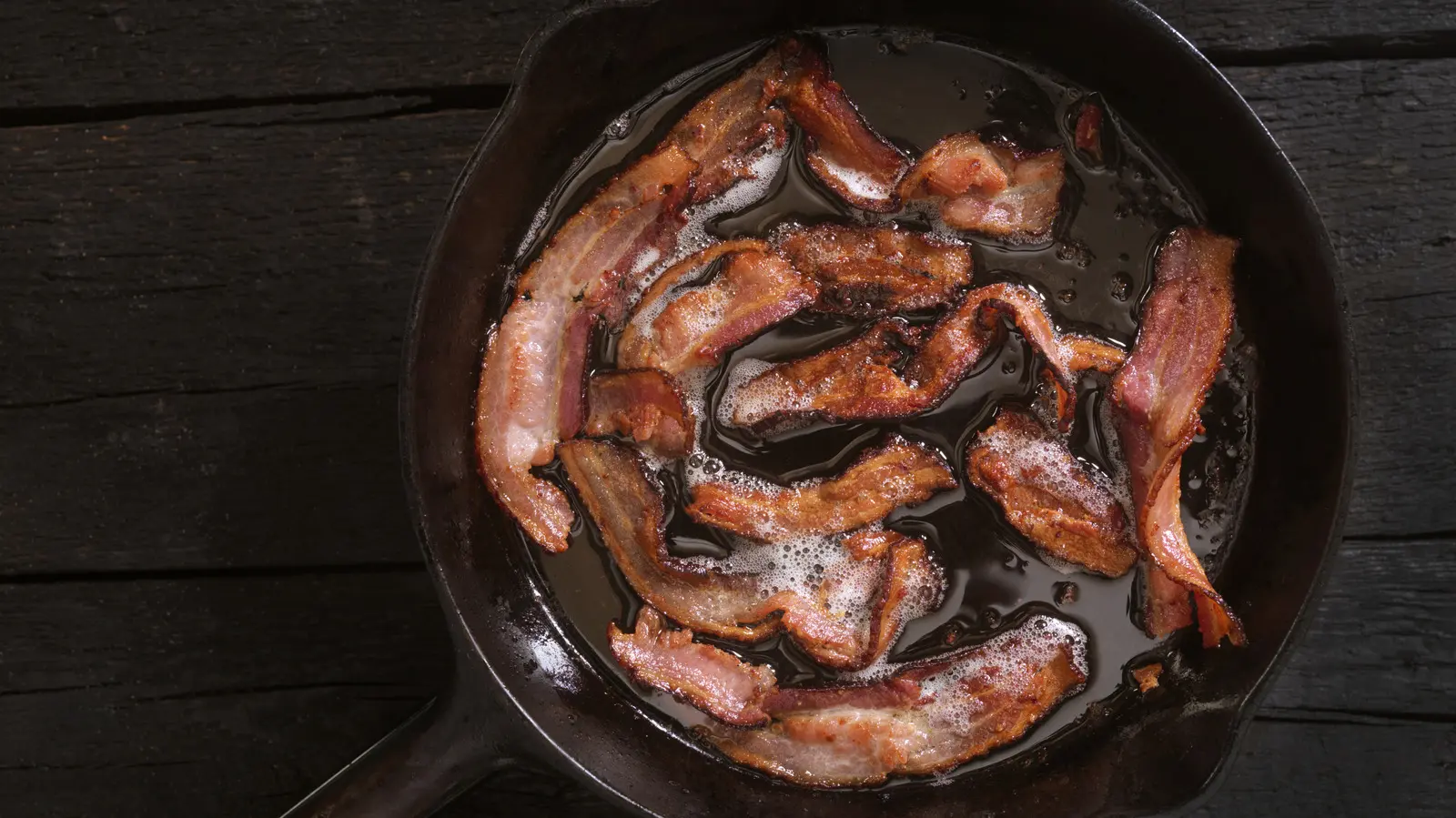
Simple Prep Method Ensures Perfectly Crispy Bacon Every Time
Why Pre-Cooking Changes The Flavor Profile
Home cooks seeking superior texture can achieve consistently crisp bacon through a specific preparation technique. This method addresses common issues like uneven cooking and sogginess. By applying a simple step before heating, users gain control over the final result. The approach works for various bacon cuts and thicknesses. It transforms a standard breakfast item into a gourmet experience without complex equipment or long wait times.
Latest news
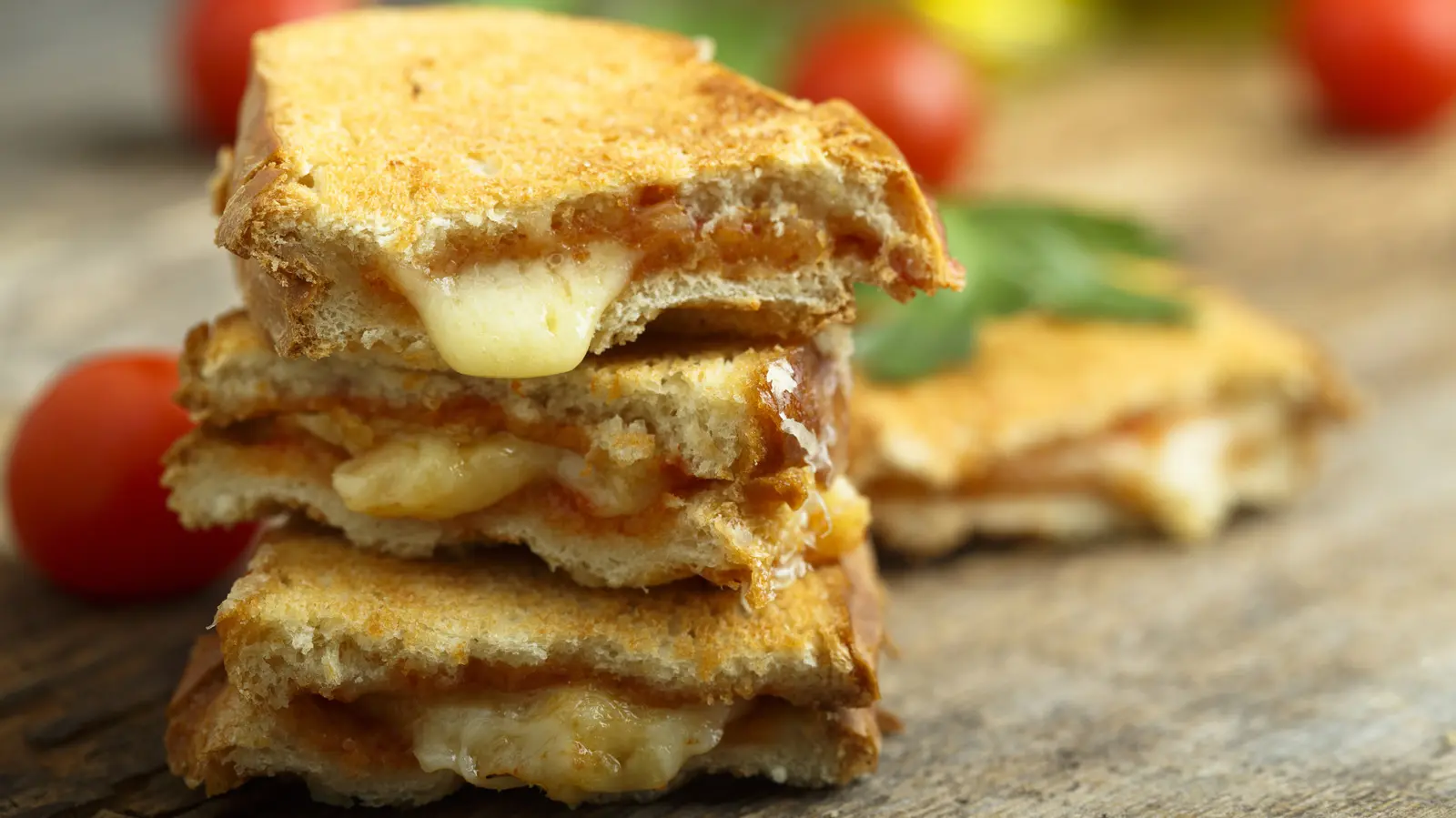 Prosciutto Elevates the Classic Grilled Cheese Sandwich
 Costco Frozen Shrimp Rivals Steakhouse Appetizers
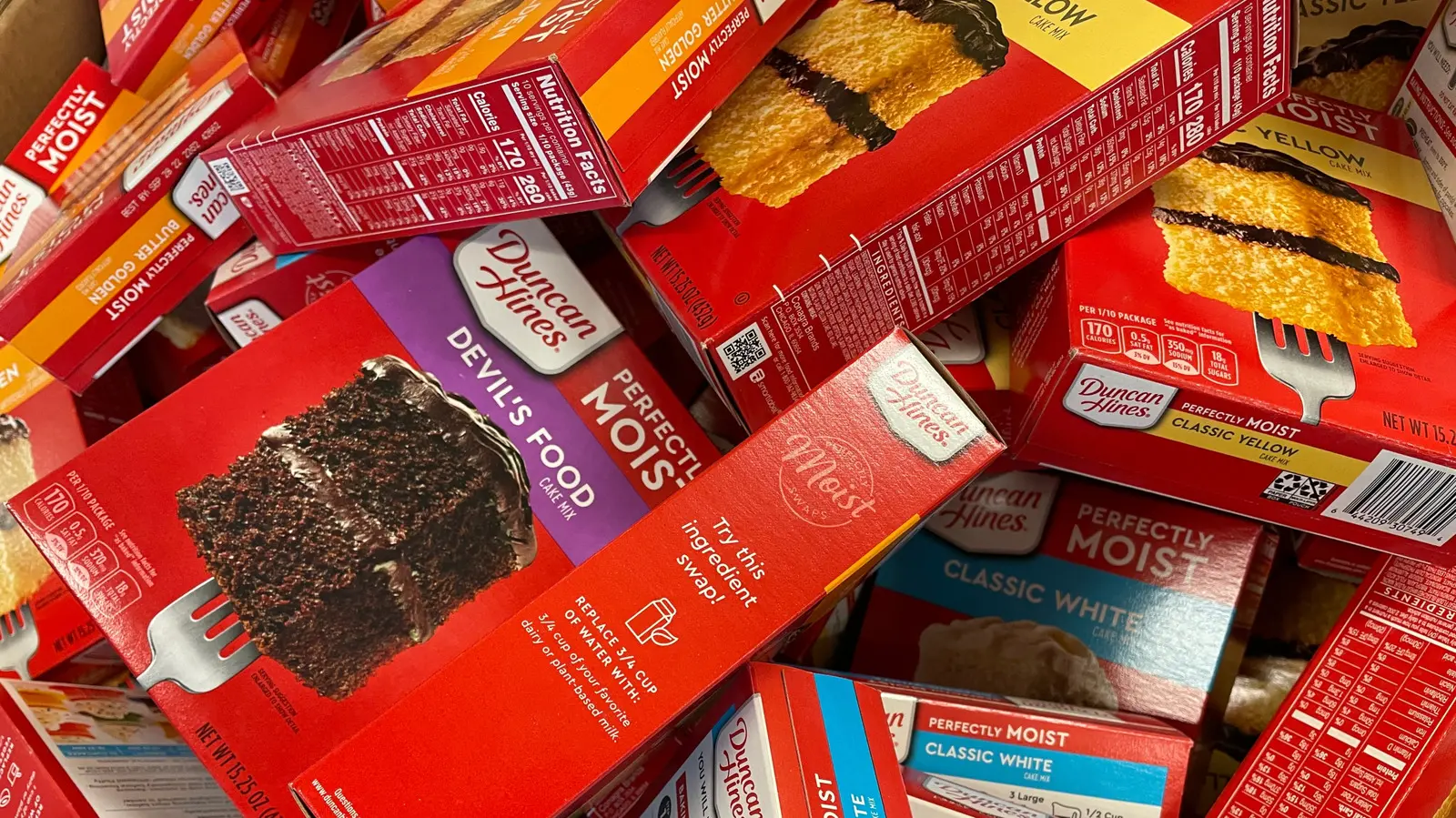 Skip Store‑Shelf German Chocolate for This Rich Duncan Hines Cake Mix
 Severed Sun: A Blood-Red Bourbon Halloween Cocktail
The key lies in managing moisture and heat distribution before the pan hits the burner. Traditional methods often lead to curled edges and soft centers. This new technique ensures uniform browning across every slice. It prevents the fat from rendering too quickly, which usually causes burning. Instead, the meat cooks slowly and evenly. The result is a slice that shatters cleanly rather than bending or sticking together. This consistency makes the bacon suitable for delicate dishes where texture matters most.
Standard stovetop frying relies on high heat to render fat rapidly. This speed creates hot spots that char the edges while leaving the middle pale. The proposed method involves a gentler initial phase. You place slices in a cold pan and start the heat low. This gradual warming allows the fat to melt out slowly. As the temperature rises, the protein firms up uniformly. The flavor becomes deeper because the Maillard reaction occurs at a steady pace. There are no burnt notes from rushed cooking. The aroma remains rich without the acrid smell of scorched fat.
Does Thickness Matter For This Method?
This process also improves the visual appeal of the dish. Slices remain flat and rectangular. They do not curl into tight cylinders that trap steam. Flat slices stack better in sandwiches and salads. The color turns a deep, appetizing mahogany instead of patchy brown. Home chefs report that this technique reduces splatter significantly. Because the fat renders gradually, there are fewer violent pops. This makes cleanup easier and keeps the kitchen cleaner. The method requires no special tools, just patience and attention to heat levels.
Yes, slice thickness impacts the timing but not the core technique. Thinner slices require less time on the stove. They reach the desired crispness faster. Thicker cuts need a slightly longer duration to become fully crisp. However, the low-and-slow principle remains constant. Do not rush the process regardless of cut size. Rushing leads to the same uneven results as high-heat frying. For thick-cut bacon, ensure the pan is not overcrowded. Space allows for proper air circulation around each piece. Overcrowding steams the meat, defeating the purpose of the technique. Stick to single layers for best results.
Frequently Asked Questions
Can I use this method in the oven? Yes, the oven works well for this technique. Place slices on a wire rack set over a baking sheet. Use a moderate temperature to mimic the slow rendering process. This method offers hands-free cooking with similar results.
How should I store leftover crispy bacon? Keep cooked bacon in an airtight container in the refrigerator. Store it flat to maintain its shape. Consume within three to four days for optimal freshness and safety.
Is this technique suitable for turkey bacon? Absolutely, turkey bacon benefits from gentle heat. It lacks the heavy fat content of pork bacon. Slow cooking prevents it from drying out completely. Adjust timing based on the specific brand thickness.
Content written by [email protected] (Claire Coit) for fancy-meals.com editorial team, AI-assisted.