
This Divisive Flavor Is Taking Over Coffee Shops — And It's Coming To Your Kitchen
Why Passionfruit Divides Coffee Lovers
A polarizing fruit-infused taste is rapidly spreading through major coffee chains and supermarket shelves, sparking debate among consumers. As of August 2026, this bold flavor has become a staple in seasonal menus and creamer selections, dividing coffee drinkers who either embrace its novelty or reject its intensity. The trend reflects a broader shift toward experimental profiles in everyday beverages.
Latest news
 Costco's Frozen Dumpling Lineup, Ranked From Least To Most Tasty
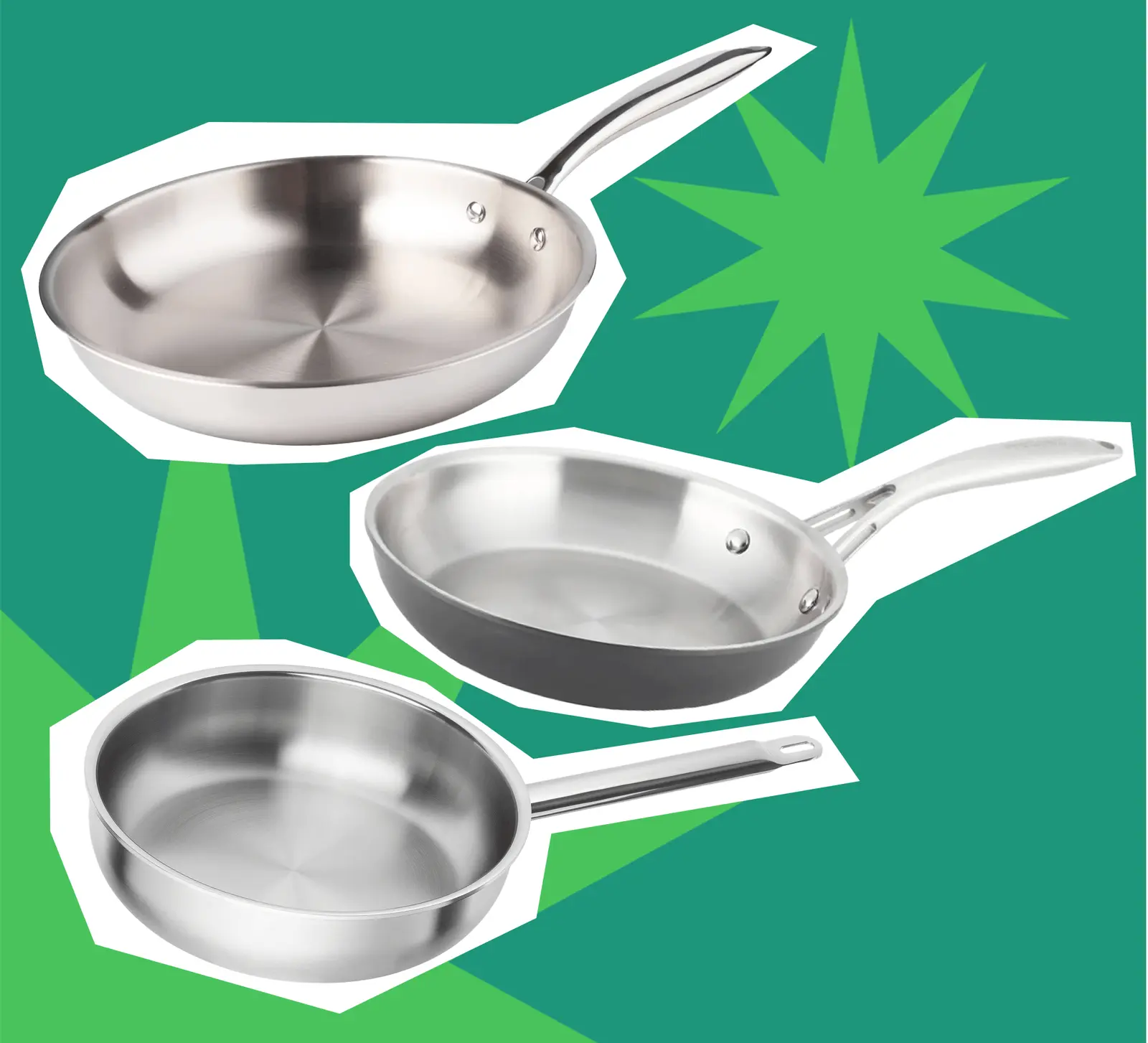 Best stainless-steel frying pans 2026: expert-tested picks for searing, eggs and daily cooking
 Trader Joe’s First‑Time Shopper Guide: Must‑Try Items
 Panda Express vs P.F. Chang's: Which Orange Chicken Is Healthier?
The flavor in question — widely identified as passionfruit — has surged in popularity due to its vibrant tartness and tropical aroma, which chains use to differentiate limited-time offerings. Retailers report a 40% increase in passionfruit-based coffee sales over the past year, driven by younger demographics seeking Instagram-worthy drinks. Baristas note that while some customers praise its refreshing complexity, others find it clashes with coffee’s natural bitterness, calling it „too fruity” or „artificial.” Despite the divide, suppliers are scaling up production to meet rising demand from both cafes and home brewers.
Can You Make It Work at Home?
Passionfruit’s high acidity and strong aromatic compounds can overwhelm delicate coffee notes, especially in lighter roasts. Sensory scientists explain that its dominant flavor profile competes rather than complements, creating a taste imbalance for traditionalists. Yet, in milk-based drinks like lattes, the fruit’s sweetness balances the acidity, making it more palatable. This duality explains why the flavor thrives in sweetened, creamy preparations but faces backlash in black coffee applications. Consumer surveys show 60% of passionfruit coffee buyers prefer it in blended or iced formats.
Home brewers are experimenting with passionfruit purees, syrups, and dried flakes to replicate café-style drinks. Experts recommend starting with small amounts — no more than half a teaspoon of puree per cup — to avoid overpowering the brew. Pairing it with medium-dark roasts and oat milk helps mellow the sharpness, while a touch of vanilla or cinnamon adds depth. Some enthusiasts even cold-brew coffee with passionfruit peel for a subtler infusion. The key, they say, is balance: letting the fruit enhance, not dominate, the coffee experience.
Is passionfruit coffee actually healthy? While passionfruit adds vitamins A and C and fiber, most commercial versions include added sugars, so moderation is key for health-conscious drinkers.
Frequently Asked Questions
Does the flavor work with espresso? Yes, but only in milk-based drinks like cappuccinos or flat whites; straight espresso tends to amplify the fruit’s sourness, creating an unpleasant clash.
Can I use frozen passionfruit pulp? Absolutely — thawed frozen pulp works well in syrups or smoothies, offering consistent flavor year-round without sacrificing freshness.
Content written by Victoria Lane for fancy-meals.com editorial team, AI-assisted.