The Simple Cooler Trick That Keeps Summer Snacks Cold For Hours
The Secret to Longer-Lasting Ice
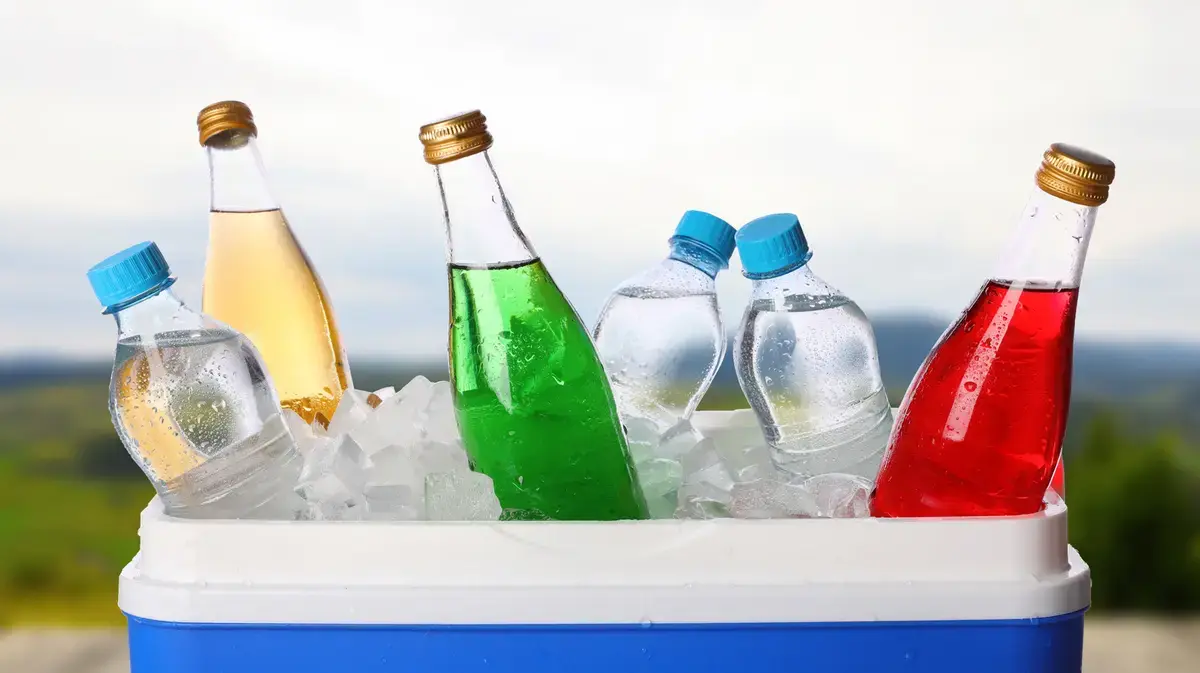
Keeping food and drinks cold during summer outings can be a challenge. Many people arrive at their destination only to find melted ice and warm beverages. A common issue is the rapid melting of ice, turning a refreshing cooler into a watery mess. This problem often leads to disappointment during beach trips or park visits.
Latest news
 Costco's Frozen Dumpling Lineup, Ranked From Least To Most Tasty
 Best stainless-steel frying pans 2026: expert-tested picks for searing, eggs and daily cooking
 Trader Joe’s First‑Time Shopper Guide: Must‑Try Items
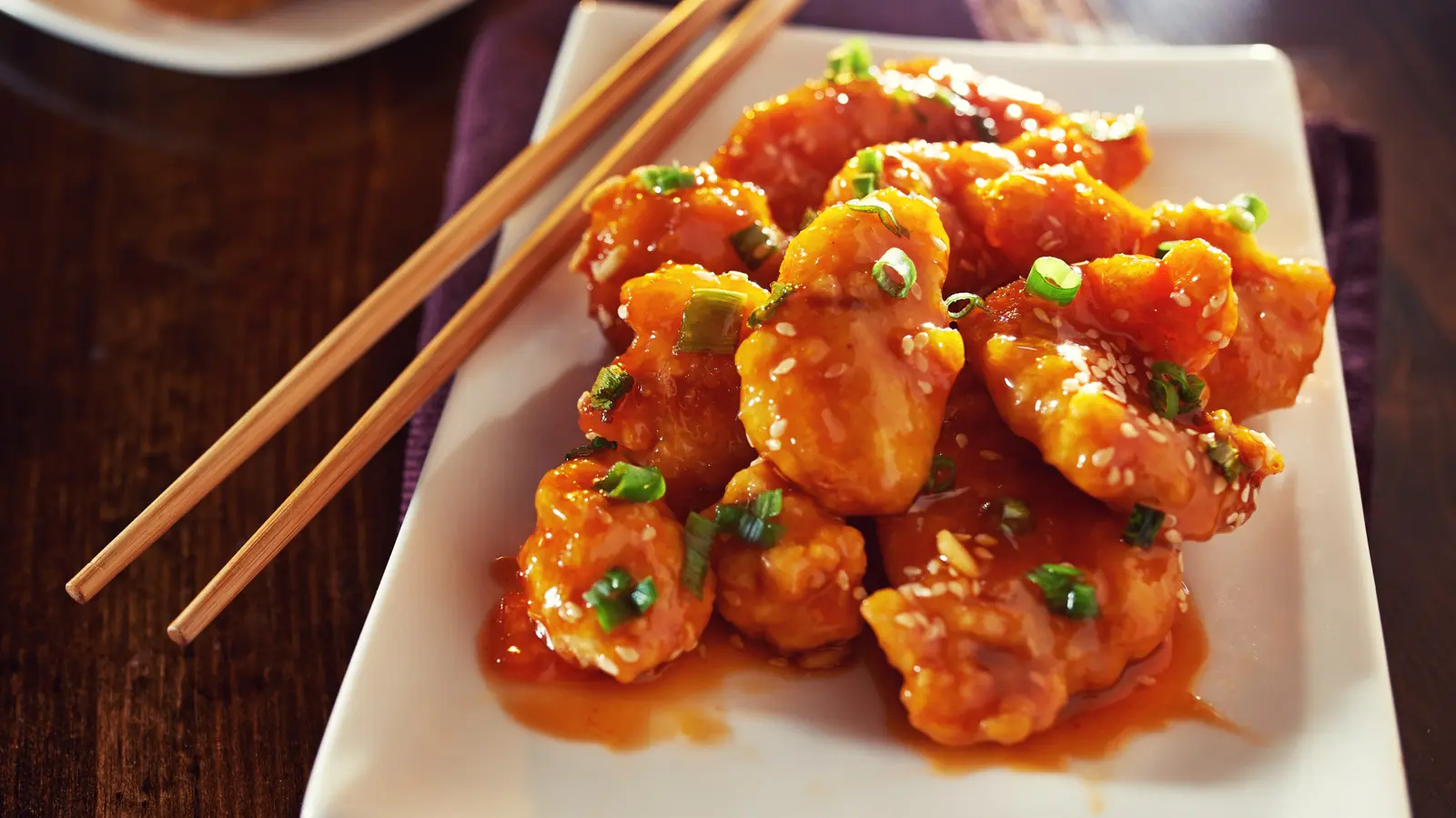 Panda Express vs P.F. Chang's: Which Orange Chicken Is Healthier?
The key to a successful cooler lies in how it's packed. Most people simply dump ice on top of everything. This method is inefficient and causes ice to melt quickly. A better approach involves layering items correctly within the cooler.
Start by placing a layer of ice at the bottom. This creates a cold base for your items. Next, add your drinks and food. Make sure to pack them tightly to reduce air pockets. Air pockets allow warm air to circulate, speeding up ice melt.
How Can You Maximize Your Cooler's Efficiency?
After placing your items, add another layer of ice on top. This top layer acts as a cold blanket, further insulating the contents. For even better results, consider using block ice instead of cubes. Block ice melts much slower due to its larger surface area. Pre-chilling your cooler before packing also makes a big difference.
This simple packing technique can significantly extend the life of your ice. It ensures that your refreshments stay cold for hours, enhancing any summer adventure. No more reaching for a warm drink after a long day in the sun.
Frequently Asked Questions
What kind of ice works best in a cooler? Block ice is generally preferred over ice cubes. Its larger size means it melts more slowly, keeping contents colder for a longer duration.
Should I pre-chill my cooler? Yes, pre-chilling your cooler is highly recommended. This step prevents the cooler from warming your ice, allowing it to stay frozen longer.
How does packing density affect ice melt? Packing items tightly reduces air circulation within the cooler. Less air movement means less heat transfer, which helps the ice last longer.
Content written by Victoria Lane for fancy-meals.com editorial team, AI-assisted.