The Once-Forgotten New Orleans French Quarter Cocktail That Made A 21st-Century Comeback
Modern bartenders revived it after studying old recipe books and oral histories
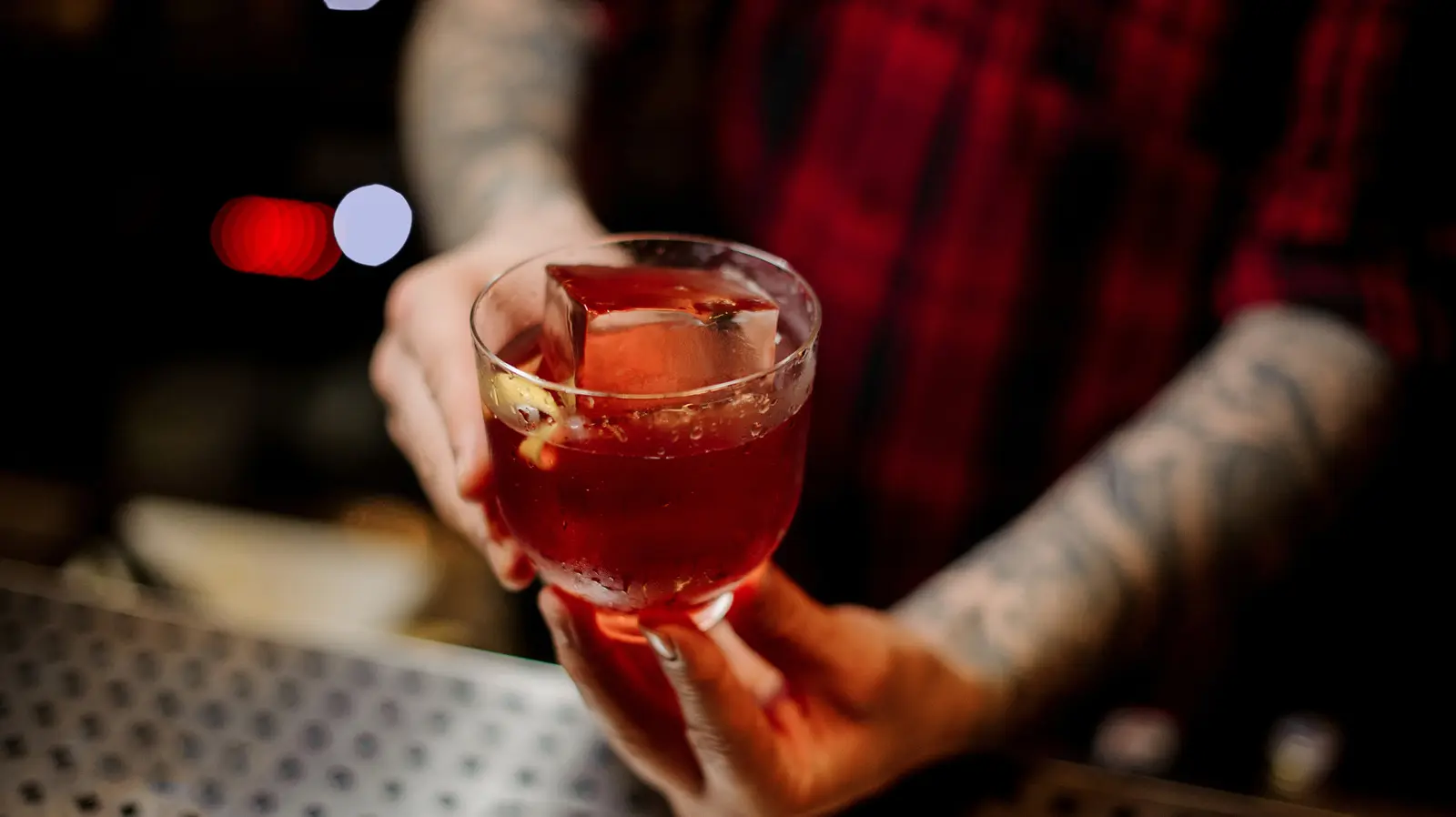
In the historic French Quarter of New Orleans, a cocktail once overshadowed by the Sazerac and Hurricane has quietly reemerged in bars across the city. Rediscovered by mixologists in the early 2020s, this drink blends local rum, aromatic bitters, and a touch of absinthe, reflecting the city’s layered drinking heritage. Its revival began around 2021, gaining traction through word of mouth and niche cocktail events before appearing on more menus by 2023. The cocktail’s origins trace back to the late 19th century, when French and Spanish influences merged with Caribbean trade routes to shape New Orleans’ unique bar culture. Though popular in its time, it faded as Prohibition and shifting tastes favored simpler, sweeter drinks.
Latest news
 Costco's Frozen Dumpling Lineup, Ranked From Least To Most Tasty
 Best stainless-steel frying pans 2026: expert-tested picks for searing, eggs and daily cooking
 Trader Joe’s First‑Time Shopper Guide: Must‑Try Items
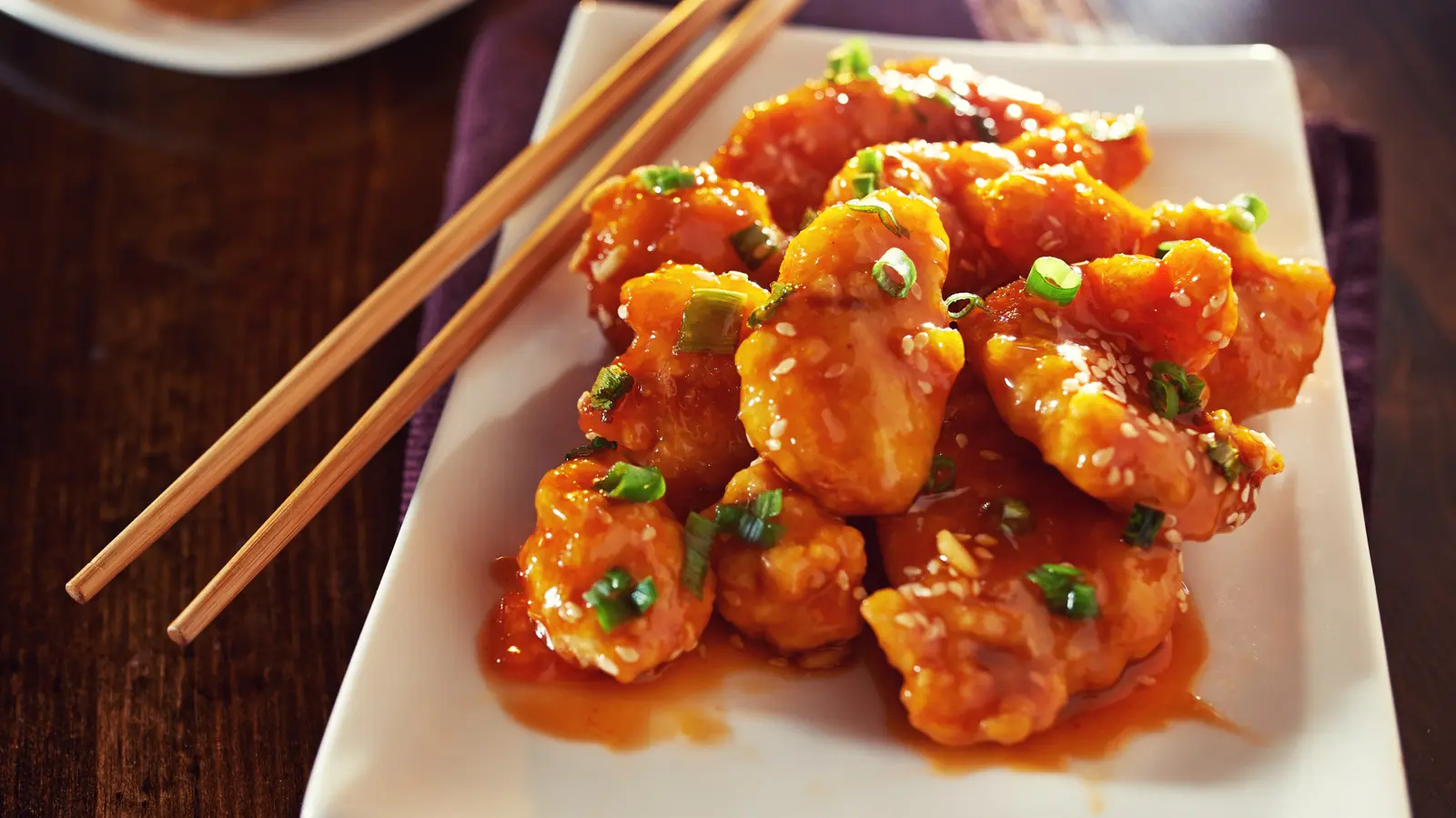 Panda Express vs P.F. Chang's: Which Orange Chicken Is Healthier?
Modern bartenders revived it after studying old recipe books and oral histories from longtime bar staff, adjusting proportions to suit contemporary palates while honoring its original structure. How the Drink Was Reconstructed from Fragments Mixologists relied on fragmented references in 1890s bar guides and interviews with descendants of pre-Prohibition bartenders to piece together the recipe. One key clue came from a handwritten ledger found in the archives of a former Royal Street tavern, listing ingredients as „old rum, two dashes Peychaud’s, sugar cube, absinthe rinse.” Unlike the Sazerac, which uses whiskey or cognac, this version leaned on aged Jamaican rum, giving it a richer, funkier backbone.
Bartenders at acclaimed venues like The Carousel Bar and French 75 began
Bartenders at acclaimed venues like The Carousel Bar and French 75 began testing variations, eventually settling on a balanced profile that resonated with patrons seeking depth over novelty. What Does This Revival Say About New Orleans’ Drinking Identity? The return of this forgotten cocktail highlights a broader trend: a renewed interest in authentic, locally rooted libations over tourist-focused concoctions. As visitors increasingly seek immersive cultural experiences, bars have responded by digging into the city’s less commercialized drink history. This shift not only honors New Orleans’ complex past but also encourages creativity within tradition. Bartenders now see old recipes not as relics, but as living templates — inviting reinterpretation while maintaining a connection to the city’s spirit. Frequently Asked Questions What makes this cocktail different from a Sazerac?
While both use bitters and an absinthe rinse, this drink substitutes rum for whiskey or cognac and often features a sugar cube instead of simple syrup, resulting in a smoother, more tropical profile. Why was it forgotten in the first place? The cocktail declined during Prohibition and never regained popularity afterward, as sweeter, rum-based drinks like the Hurricane became synonymous with New Orleans in the mid-20th century. Where can I try it today? Several bars in the French Quarter, including historic establishments on Bourbon and Royal Streets, now feature it on their menus, often labeled as a „heritage cocktail” or „old New Orleans mix.”
Content written by Lucas Carter for fancy-meals.com editorial team, AI-assisted.