
Summer’s Iced Latte Gets a Surprise Boost From Salt
A Pinch of Salt Changes the Game
Coffee lovers across the country are swapping sugar for a pinch of sea salt in their cold drinks. The shift began in coastal cafés, where baristas noticed a smoother, less bitter taste when a tiny amount of salt was added. This summer, the simple mineral is becoming the only extra ingredient many enthusiasts claim they’ll use in their coffee.
Latest news
 Costco's Frozen Dumpling Lineup, Ranked From Least To Most Tasty
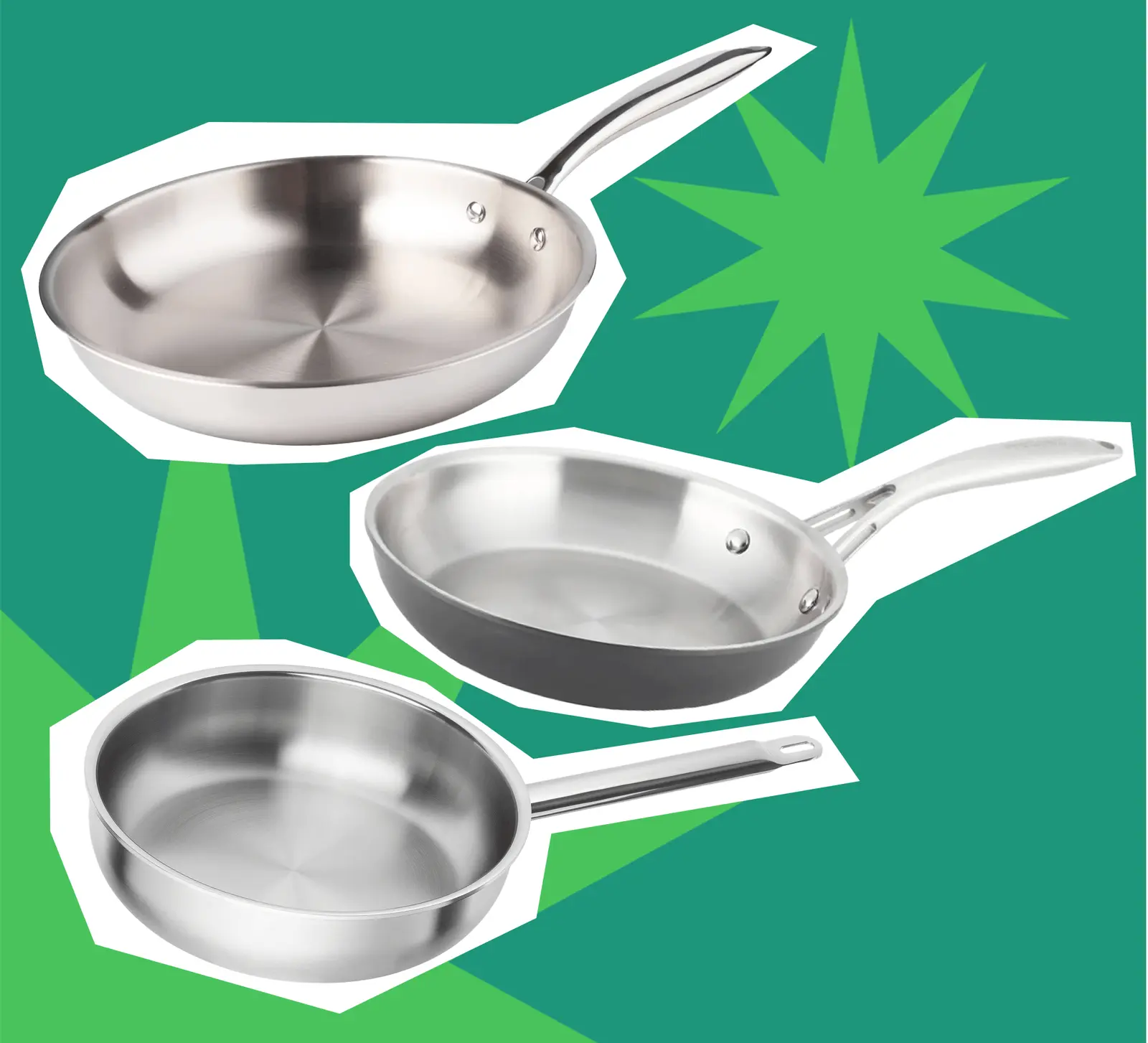 Best stainless-steel frying pans 2026: expert-tested picks for searing, eggs and daily cooking
 Trader Joe’s First‑Time Shopper Guide: Must‑Try Items
 Panda Express vs P.F. Chang's: Which Orange Chicken Is Healthier?
The trend started as a practical solution to balance the acidity of espresso poured over ice. Salt suppresses bitterness, letting the natural flavors of the bean shine through without the need for extra sweeteners. Barista‑owner Maya Patel explains, „A dash of salt cuts the harsh edge, so the coffee feels richer and the ice doesn’t dilute it as quickly.” Consumers report that the salty‑sweet profile feels refreshing, especially during heat waves, and it reduces the reliance on syrups that add calories. Recent sales data show a 12 % rise in sea‑salt packets sold alongside coffee beans since May.
Adding salt is not new to culinary arts, but its application in coffee is gaining momentum. The mineral works on a molecular level, interfering with the taste receptors that detect bitterness. When combined with cold brew or iced espresso, it creates a rounder mouthfeel, making the drink feel less watery. „It’s like seasoning a steak,” says coffee researcher Dr. Luis Ortega. „A little salt can elevate the overall experience without masking the coffee’s character.”
Will Salt Replace Sugar in Summer Coffees?
The practice also aligns with broader health trends. Many drinkers are cutting back on sugary syrups, and salt offers a low‑calorie alternative that still satisfies the palate. Some cafés have begun offering „salted latte” menus, pairing the drink with lightly salted pastries for a balanced snack. Critics caution against overuse, noting that excessive sodium can have health implications. Nonetheless, most experts agree that a modest pinch—about a quarter teaspoon per 12‑ounce cup—delivers the desired effect without risk.
The question on many coffee fans’ minds is whether salt will become a permanent fixture in cold coffee culture. Early indicators suggest it may coexist with traditional sweeteners rather than replace them entirely. Seasonal menus often feature both salted and sweetened options, allowing customers to choose based on taste preference. Market analysts predict that the salt trend will stabilize, with about 30 % of iced coffee orders incorporating a pinch of salt by the end of the year.
If the movement continues, coffee shops might adapt their supply chains, stocking more sea‑salt varieties and training staff on precise dosing. Consumers could see new flavor pairings, such as citrus‑infused salted lattes or chocolate‑salted frappés. The broader impact may be a shift toward more nuanced coffee experiences, encouraging drinkers to experiment beyond the classic sugar‑heavy formulas.
Frequently Asked Questions
How much salt should I add to my iced coffee? A quarter teaspoon per 12‑ounce cup is enough to reduce bitterness without making the drink taste salty.
Does adding salt affect the caffeine content? No, salt does not alter caffeine levels; it only changes the perceived taste profile.
Can I use any type of salt? Fine sea salt works best because it dissolves quickly. Coarse salts may leave gritty texture if not fully mixed.
Content written by Lucas Carter for fancy-meals.com editorial team, AI-assisted.