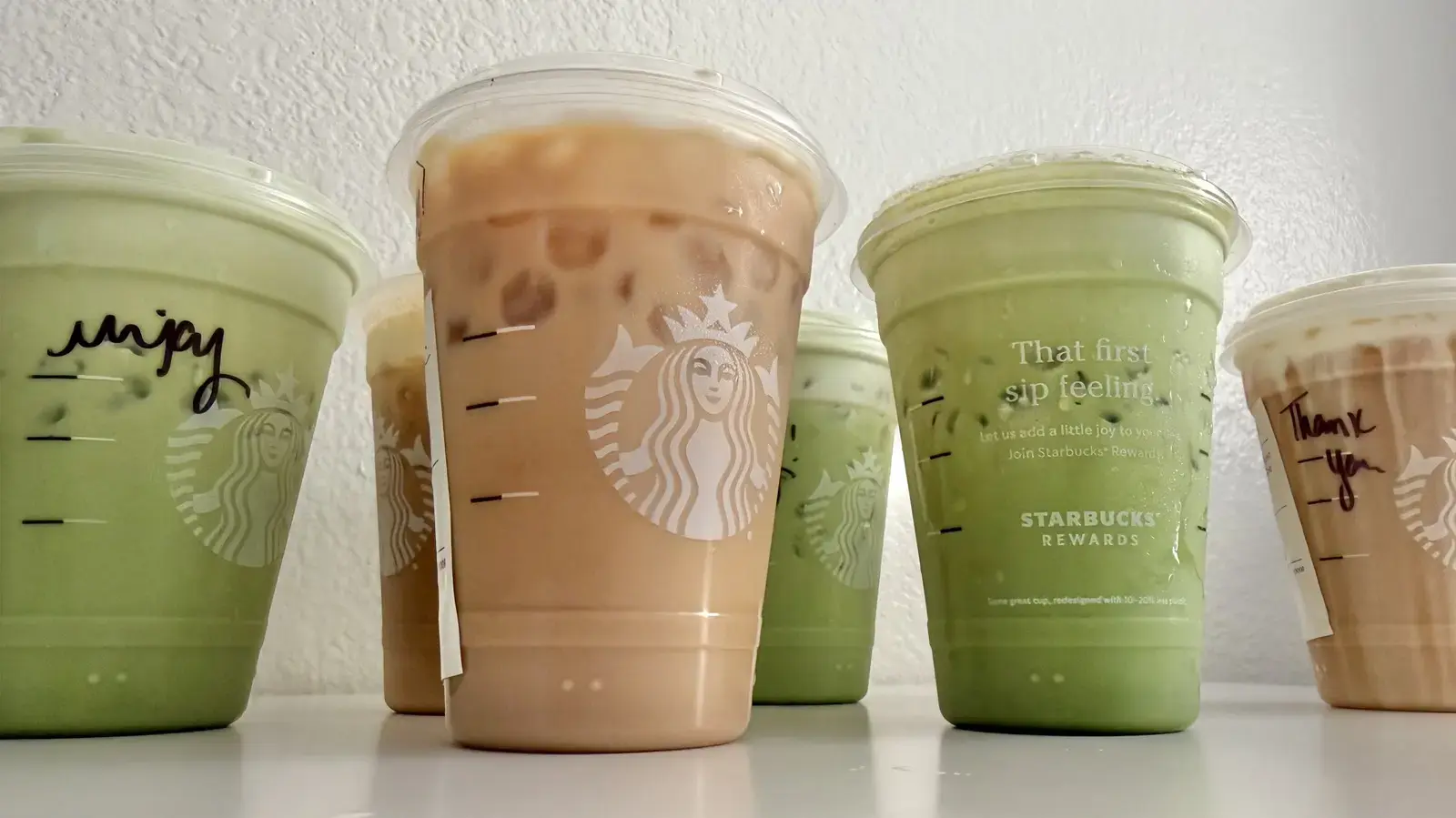
Starbucks Expands Protein Offerings, Ranking Seven New Drinks
Taste and Nutrition: Which Drinks Shine?
On September 30, 2026, Starbucks announced a lineup of seven protein‑enhanced beverages available across its U. S. stores. The chain aimed to capture the growing demand for functional drinks that provide both energy and muscle support. The new menu includes variations of classic espresso drinks infused with a protein blend, each priced between $5.50 and $6.50.
Latest news
 Costco's Frozen Dumpling Lineup, Ranked From Least To Most Tasty
 Best stainless-steel frying pans 2026: expert-tested picks for searing, eggs and daily cooking
 Trader Joe’s First‑Time Shopper Guide: Must‑Try Items
 Panda Express vs P.F. Chang's: Which Orange Chicken Is Healthier?
The company’s move follows a surge in protein‑rich products from other retailers and a shift in consumer habits toward convenient, health‑oriented options. Starbucks’ marketing team highlighted the drinks’ role in supporting active lifestyles, with each cup delivering 20 grams of protein and 140 calories. The launch coincided with the brand’s broader initiative to increase plant‑based and low‑sugar offerings.
Is the Protein Trend Here to Stay?
The drinks were evaluated by a panel of taste testers and nutrition experts. According to the panel, the Vanilla Latte Protein topped the list for flavor balance, offering a creamy profile that masks the slightly nutty undertone of the protein powder. Followed closely by the Mocha Protein, which combined chocolate and espresso notes with a smooth texture. The Caramel Macchiato Protein ranked third, praised for its caramel sweetness and minimal aftertaste. The next two, the Cinnamon Dolce Protein and the Hazelnut Protein, received mixed reviews; the former was noted for a sharp spice that some found overpowering, while the latter’s nutty flavor was deemed too subtle for some palates. The lowest-ranked drinks were the Classic Coffee Protein and the Americano Protein, both of which were criticized for a perceived flat taste and an overly dry mouthfeel.
Nutritionist Dr. Elena Ramirez, who consulted on the project, emphasized that the protein blend used is a blend of whey isolate and pea protein, designed to provide a complete amino acid profile. „Consumers are looking for a quick protein source that doesn’t compromise on taste,” Ramirez said. „Starbucks has managed to deliver a product that meets both criteria.”
Industry analysts predict that the protein drink segment will grow by 12 percent annually over the next five years. Starbucks’ entry into this niche reflects a broader trend among coffee chains to diversify revenue streams beyond traditional espresso. The company’s data shows that the new drinks have already attracted a younger demographic, with 38 percent of purchasers under the age of 35. The brand’s focus on sustainability also resonates, as the protein powder is sourced from certified suppliers and the packaging is recyclable.
Frequently Asked Questions
However, some critics argue that protein drinks may face saturation as competitors introduce similar products. Retailer insiders suggest that Starbucks will need to innovate further, perhaps by offering customizable protein levels or seasonal flavors, to maintain a competitive edge.
The launch of the protein line is expected to boost Starbucks’ sales by an estimated 4 percent in the first quarter following the rollout. If the trend continues, the company could see a significant shift in its product mix, with protein drinks becoming a staple alongside its traditional coffee offerings.
Content written by Tasting Table for fancy-meals.com editorial team, AI-assisted.