Signs Your Bottled Beer Is Past Its Prime
Sensory Cues That Reveal Staleness
Many home drinkers keep a stock of bottled beer for unexpected guests or spontaneous evenings. However, the shelf life of these beverages is often shorter than most consumers realize. As of late September 2026, experts warn that stale flavors can develop quickly if bottles sit too long. Understanding the subtle signs of aging helps prevent disappointing sips.
Latest news
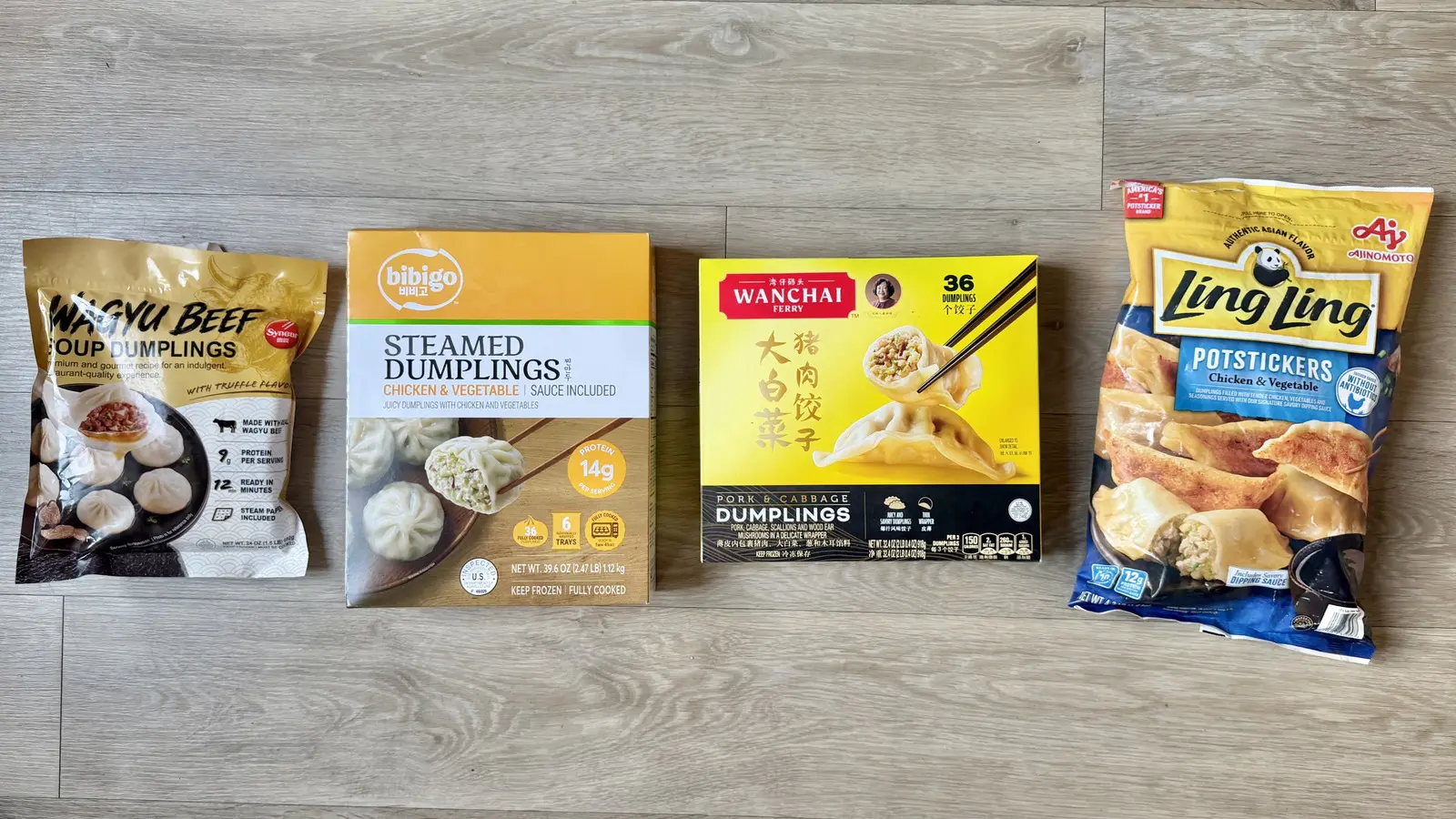 Costco's Frozen Dumpling Lineup, Ranked From Least To Most Tasty
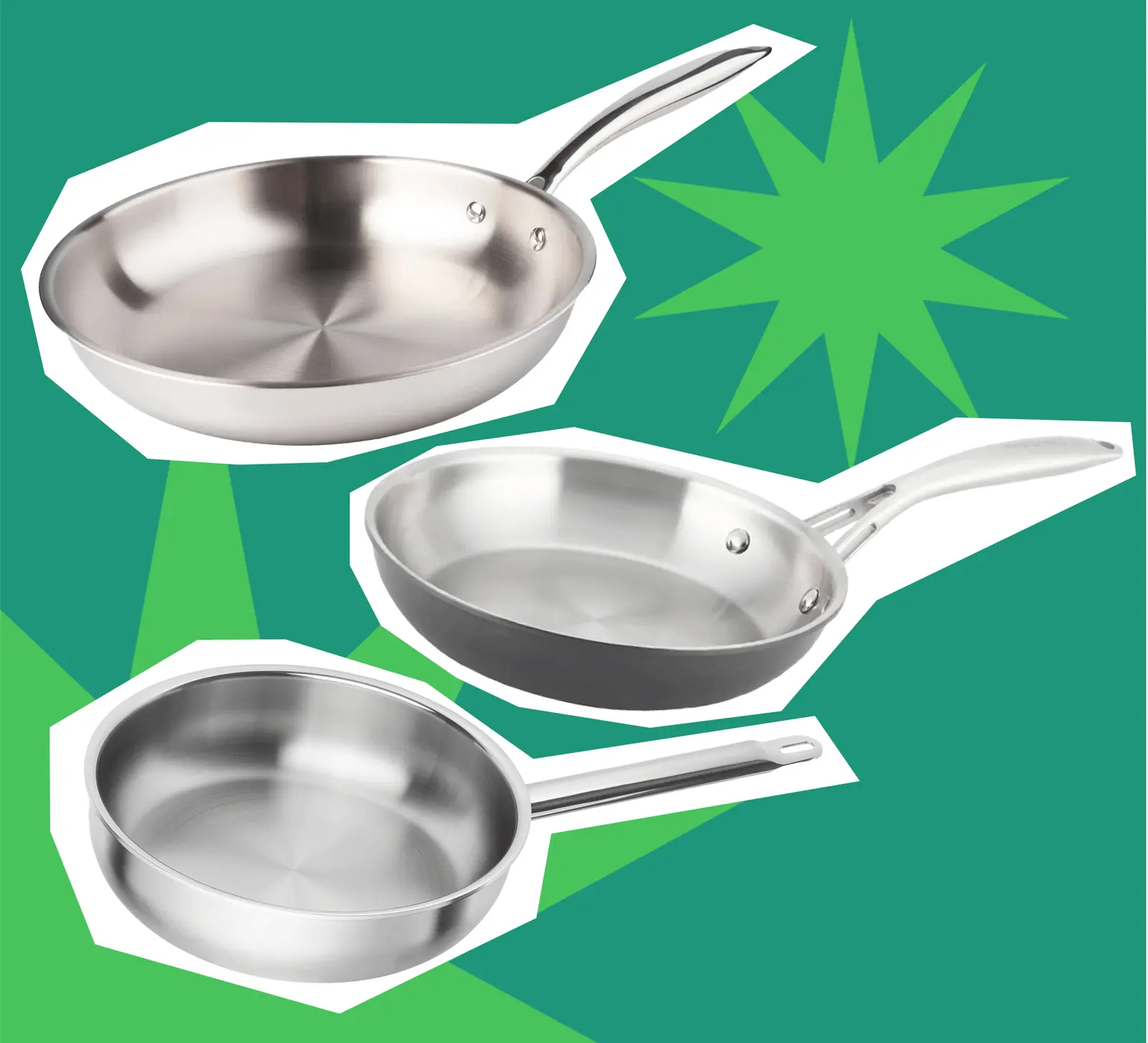 Best stainless-steel frying pans 2026: expert-tested picks for searing, eggs and daily cooking
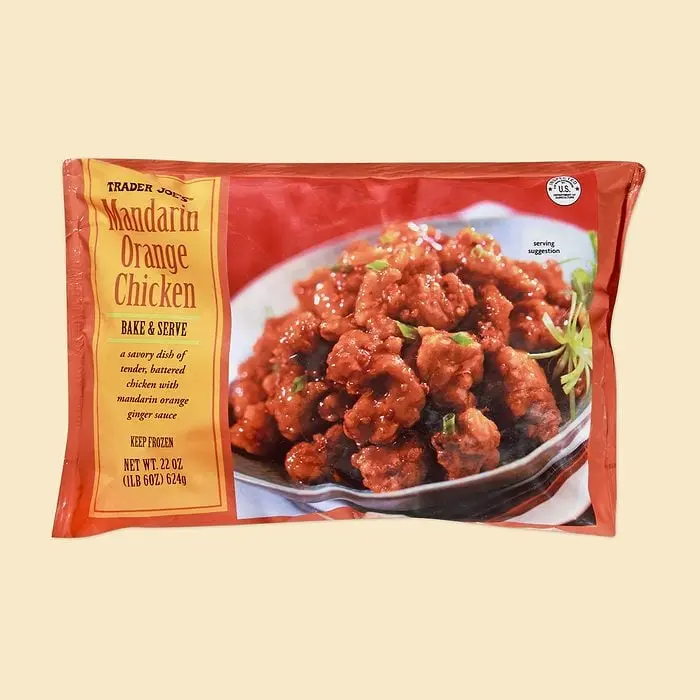 Trader Joe’s First‑Time Shopper Guide: Must‑Try Items
 Panda Express vs P.F. Chang's: Which Orange Chicken Is Healthier?
Beer quality degrades over time due to chemical reactions within the liquid. Oxygen exposure and light damage are primary culprits in this process. While canned beer offers better protection, glass bottles allow more interaction with the environment. This makes them more susceptible to flavor changes. Homeowners should check their pantry stocks regularly to ensure freshness before serving.
Determining if a beer has gone bad relies heavily on human senses. Visual inspection is the first step, though it rarely reveals much. Most beers remain clear or cloudy regardless of age. The real indicators appear during tasting and smelling. A flat taste suggests carbonation loss, which happens as gas escapes the bottle. This lack of fizz signals that the beer is no longer lively.
Why Glass Bottles Age Faster
Smell provides another critical diagnostic tool. Fresh beer should have distinct hop, grain, or yeast aromas. Stale beer often smells cardboard-like or musty. This specific odor comes from oxidation processes. If you detect a sharp, acidic note, the beer may be turning sour. These sensory shifts indicate that the beverage has passed its peak window.
Taste is the final test. Oxidized beer tastes dull and thin. It lacks the complexity found in fresh products. Some styles develop a sherry-like flavor when aged improperly. This is particularly common in lighter lagers. If the taste feels off or unpleasant, discard the bottle. Do not rely solely on the expiration date printed on the label.
Glass is porous compared to aluminum cans. This material difference allows microscopic amounts of oxygen to permeate the container. Over months, this slow leak accelerates chemical breakdown. Light exposure through green or brown glass also contributes to spoilage. UV rays trigger reactions that create skunky flavors. Keeping bottles in dark pantries slows this decline significantly.
Temperature plays a crucial role in preservation. Heat speeds up all chemical reactions in beer. Storing bottles in warm areas causes rapid quality loss. Cool, dark storage extends the usable life of the product. Most brewers recommend consuming bottled beer within six to twelve months. Premium craft varieties may have even shorter windows.
Frequently Asked Questions
Does unopened beer expire? Yes, unopened beer eventually loses carbonation and flavor. While it remains safe to drink, the taste profile deteriorates over time. Quality drops significantly after the recommended shelf life passes.
Can you tell if beer is bad by looking? Visual checks are limited because color stays consistent. You must rely on smell and taste to detect staleness. Look for sediment changes only if the style is known to be hazy.
How long does bottled beer last? Most standard lagers stay fresh for about six months. Craft beers often have shorter lifespans, sometimes just three months. Always check the manufacturer’s best-by date for guidance.
Content written by Tasting Table for fancy-meals.com editorial team, AI-assisted.