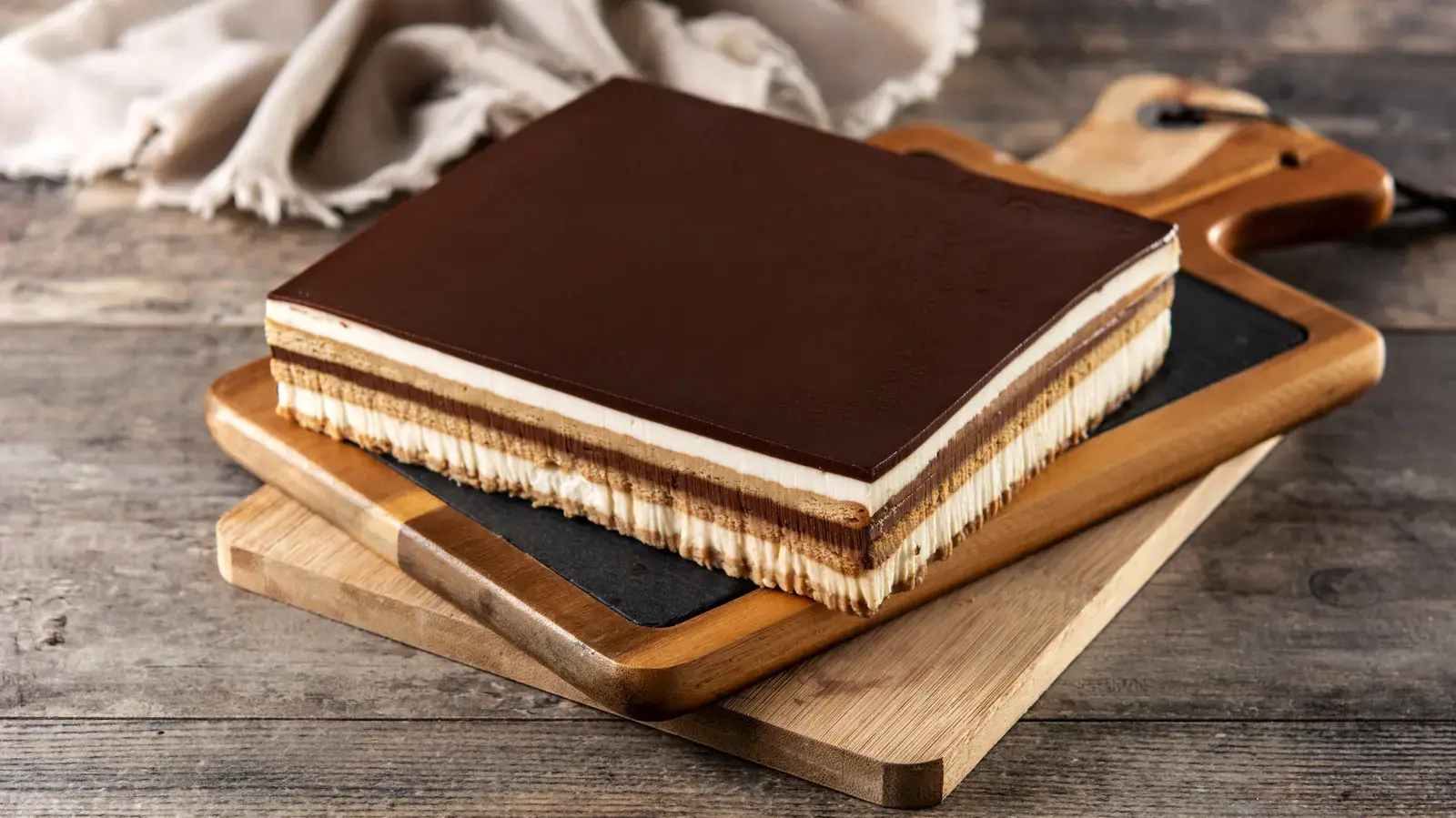
Eight Iconic Coffee Desserts That Define Sweetness
Why Bitterness Enhances Sweetness
Coffee remains a staple beverage for millions, yet its role in baking often goes underappreciated. Beyond serving as a morning stimulant, this bean provides a robust foundation for some of the most enduring sweet treats in culinary history. From rich cakes to delicate pastries, the integration of coffee into desserts has created a distinct category of flavors that balance intensity with comfort. These eight classic creations stand out as the definitive examples of how espresso and brewed coffee can elevate simple ingredients into memorable experiences.
Latest news
 Costco's Frozen Dumpling Lineup, Ranked From Least To Most Tasty
 Best stainless-steel frying pans 2026: expert-tested picks for searing, eggs and daily cooking
 Trader Joe’s First‑Time Shopper Guide: Must‑Try Items
 Panda Express vs P.F. Chang's: Which Orange Chicken Is Healthier?
The chemical properties of coffee make it an ideal partner for sugary confections. The natural bitterness present in roasted beans acts as a counterbalance to high levels of sugar. This interaction prevents desserts from becoming overly cloying or heavy on the palate. Instead, the acidity and depth of coffee add complexity, allowing other flavors like chocolate, vanilla, and caramel to shine without dominating the taste profile. Chefs have long utilized this dynamic to create layers of flavor that linger after the first bite.
The science behind coffee’s culinary utility lies in its ability to cut through fat and sugar. When combined with cream or butter, the sharp notes of the brew provide necessary contrast. This technique is evident in traditional recipes that have survived for generations. For instance, Tiramisu relies heavily on espresso-soaked ladyfingers to ground the light mascarpone cream. Without the coffee, the dessert would lack structural integrity and flavor depth. Similarly, coffee-flavored ice creams benefit from the aromatic oils in the bean, which persist even after freezing.
Which Classics Are Most Popular?
Another key aspect is the versatility of the ingredient. Baristas and home bakers can use fresh espresso, cold brew, or even instant granules depending on the desired intensity. Stronger concentrations are typically reserved for dense baked goods like cookies or brownies, where the bulk of the dough requires a potent flavor punch. Lighter preparations, such as mousses or panna cottas, often utilize milder brews to maintain a delicate texture. This flexibility ensures that coffee remains a central element rather than an overpowering background note.
Among the most celebrated items, the Coffee Mocha Cake holds a prominent place. This layered sponge cake is soaked in a syrup infused with strong black coffee and chocolate. The result is a moist, dense treat that pairs well with whipped cream. Another favorite is the Espresso Martini, though technically a cocktail, it often serves as a pre-dessert ritual that primes the palate for richer sweets. In the realm of pastries, the Canelo de Café is a Spanish staple, featuring a flaky exterior and a filling spiced with cinnamon and coffee.
These desserts are not merely nostalgic; they reflect a global appreciation for the bean’s dual nature. Whether enjoyed in a bustling café in Milan or a quiet kitchen in New York, the appeal remains consistent. The combination of warmth, aroma, and taste creates a sensory experience that transcends simple hunger satisfaction.
Frequently Asked Questions
Does coffee actually improve the taste of chocolate? Yes, the bitterness of coffee enhances the perception of chocolate’s richness. It reduces the need for excessive sugar, creating a more balanced flavor profile that feels less sweet and more complex.
Can I substitute strong tea for coffee in these recipes? While possible, tea lacks the specific aromatic compounds found in roasted coffee beans. Substituting tea will alter the flavor significantly, resulting in a lighter, herbal note rather than the deep, earthy character of coffee.
How should I store coffee-infused desserts? Most of these items should be stored in airtight containers in the refrigerator. This preserves moisture and prevents the coffee flavor from evaporating, ensuring the taste remains robust for several days.
Content written by Isabelle Fontaine for fancy-meals.com editorial team, AI-assisted.