
Canned Cocktails That Skip the Sugar for Dry Palates
Botanical Notes Replace Heavy Syrup
September 2026 marks a significant shift in the ready-to-drink beverage market. New product launches now specifically target consumers who find traditional canned cocktails overly sweet. These drinks cater to individuals who prefer crisp, refreshing flavors over sugary syrups. The trend responds to a growing demand for lower-sugar options in portable alcohol formats. Shoppers can now find cans that prioritize tartness and botanical notes instead of heavy sweetness. This development offers a viable alternative for those who dislike cloying beverages.
Latest news
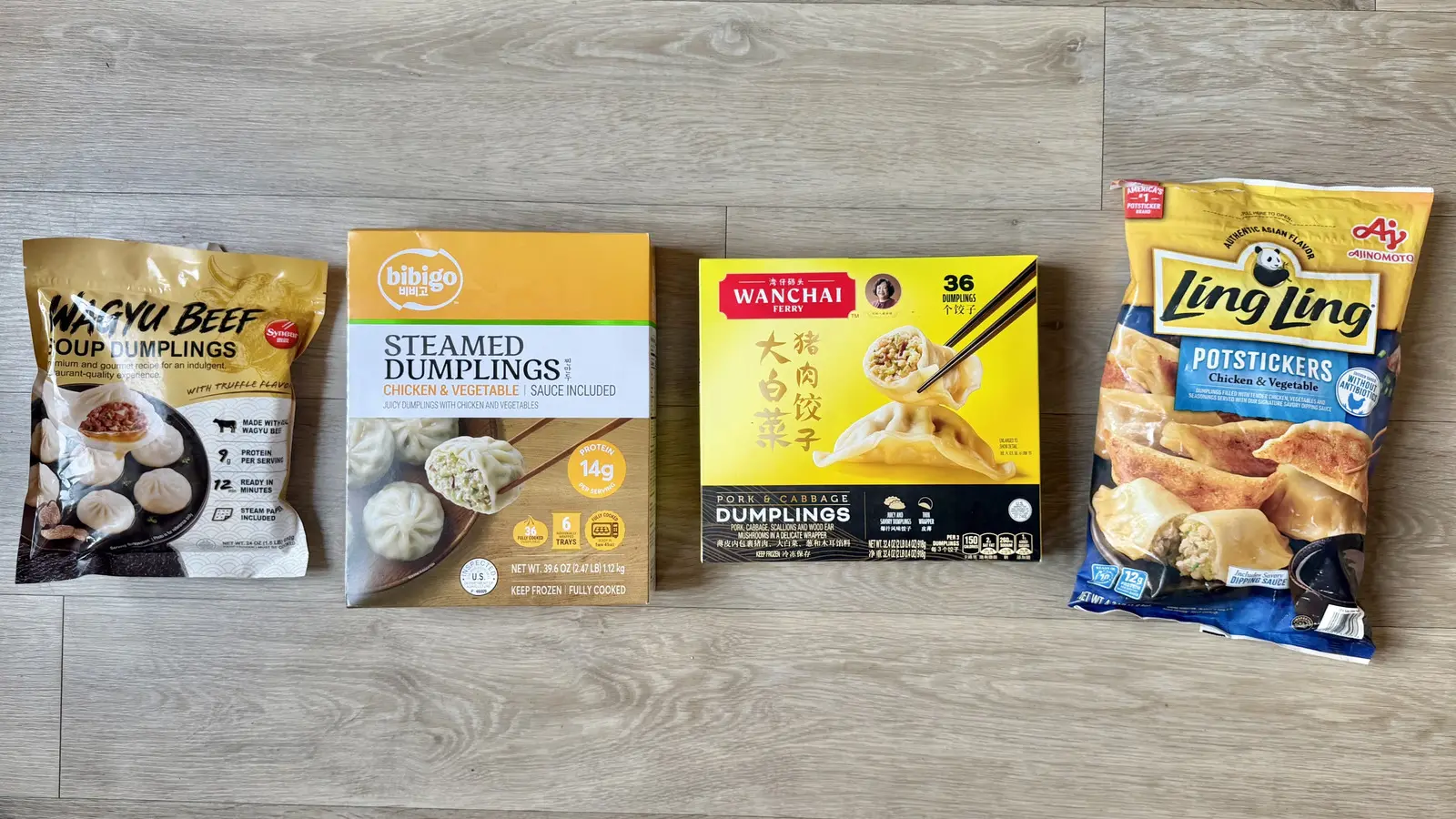 Costco's Frozen Dumpling Lineup, Ranked From Least To Most Tasty
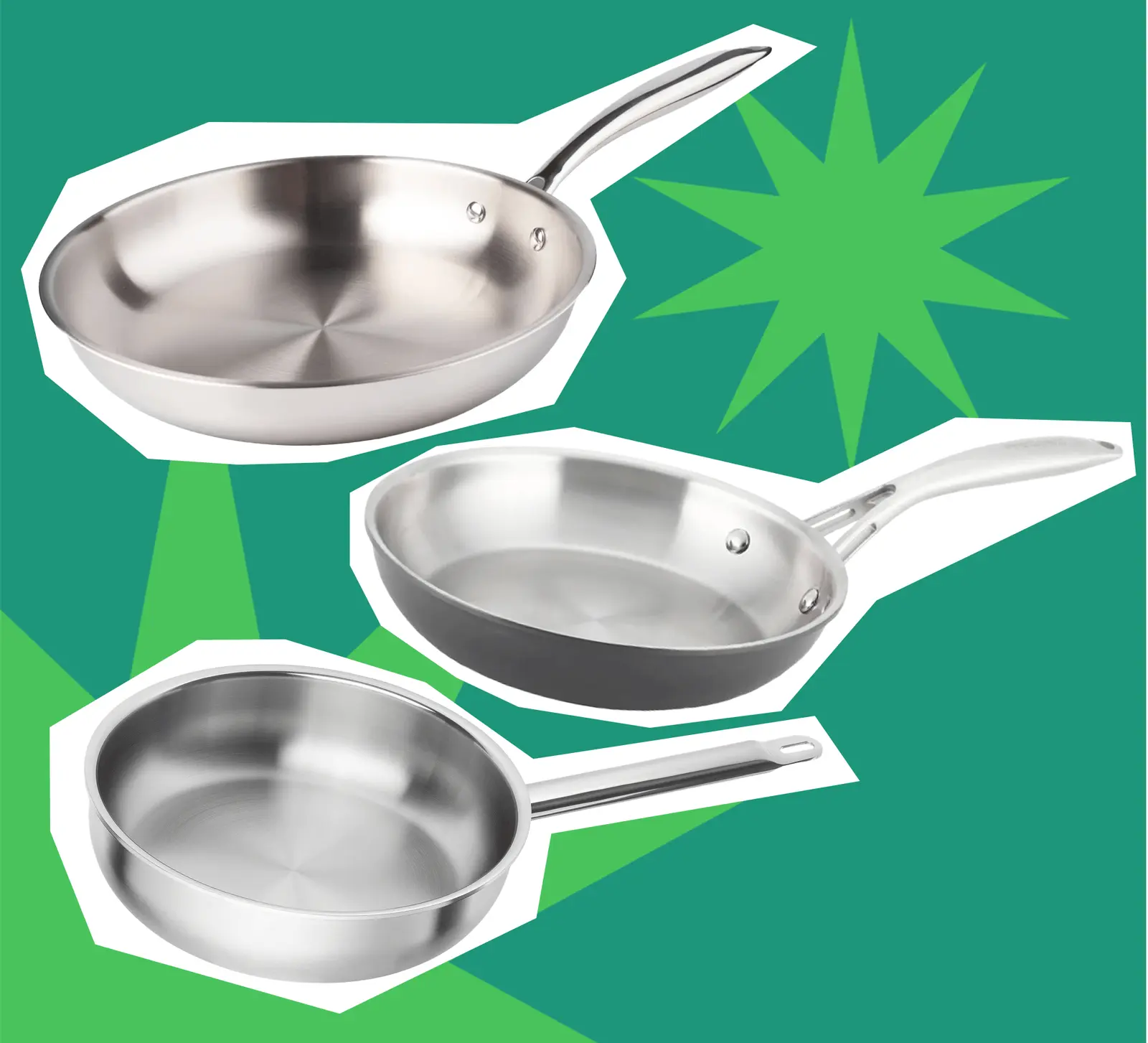 Best stainless-steel frying pans 2026: expert-tested picks for searing, eggs and daily cooking
 Trader Joe’s First‑Time Shopper Guide: Must‑Try Items
 Panda Express vs P.F. Chang's: Which Orange Chicken Is Healthier?
The rise of these products reflects broader changes in consumer taste preferences. Many drinkers have moved away from high-sugar profiles that dominated earlier canned cocktail releases. Manufacturers are reformulating recipes to highlight fruit acidity and herbal complexity. This approach appeals to people who enjoy dry wines or classic mixed drinks without the added sugar. The convenience factor remains central to the appeal of canned formats. Users appreciate the ability to grab a cold drink without mixing ingredients or shaking a shaker. However, purists acknowledge that no canned drink matches the precision of a skilled bartender. Still, the gap between home-made and factory-produced quality continues to narrow rapidly.
Recent innovations focus heavily on ingredient transparency and flavor balance. Brands are using real fruit extracts rather than artificial flavorings to achieve depth. Citrus peels, ginger roots, and mint leaves provide natural aromatic compounds. These elements create a complex palate that does not rely on sugar for masking weak flavors. The result is a sharper, cleaner drinking experience. Consumers report feeling less bloated after consuming these lower-sugar varieties. This physical comfort encourages repeat purchases among health-conscious drinkers. The shift also aligns with global trends toward reduced sugar intake across all food categories.
Does Convenience Outweigh Quality?
Critics often argue that canned cocktails lack the nuance of freshly prepared drinks. They point to the absence of ice dilution and manual muddling as key differences. Yet, modern production techniques have improved texture and mouthfeel significantly. Many new cans feature carbonation levels that mimic the fizz of a well-made spritz. This effervescence adds a layer of sophistication to the profile. Drinkers who previously avoided canned options due to perceived simplicity are now reconsidering their stance. The ease of storage and transport makes these products ideal for outdoor events. They eliminate the need for glassware, straws, and mixers at parties.
The outlook for this segment appears robust as competition intensifies. More brands are entering the space with distinct flavor profiles. Expect to see even drier options emerging in the coming months. The market may eventually split into distinct tiers based on sugar content. This segmentation allows consumers to choose precisely what they want. As technology advances, flavor preservation methods will likely improve further. The era of one-size-fits-all canned cocktails is ending. Specificity is becoming the new standard in the industry.
Frequently Asked Questions
Are canned cocktails always high in sugar? Not necessarily. While many older brands used heavy syrups, newer formulations focus on low-sugar recipes. You should check the nutrition label to verify the exact carbohydrate content before purchasing.
Can I store canned cocktails in the freezer? Most canned cocktails freeze well if you plan to consume them quickly. However, leaving them frozen for extended periods can affect the texture and carbonation upon thawing.
Do these drinks require any preparation? No preparation is needed beyond opening the can. Simply chill the can in the refrigerator or place it in an ice bucket for optimal serving temperature.
Content written by Isabelle Fontaine for fancy-meals.com editorial team, AI-assisted.