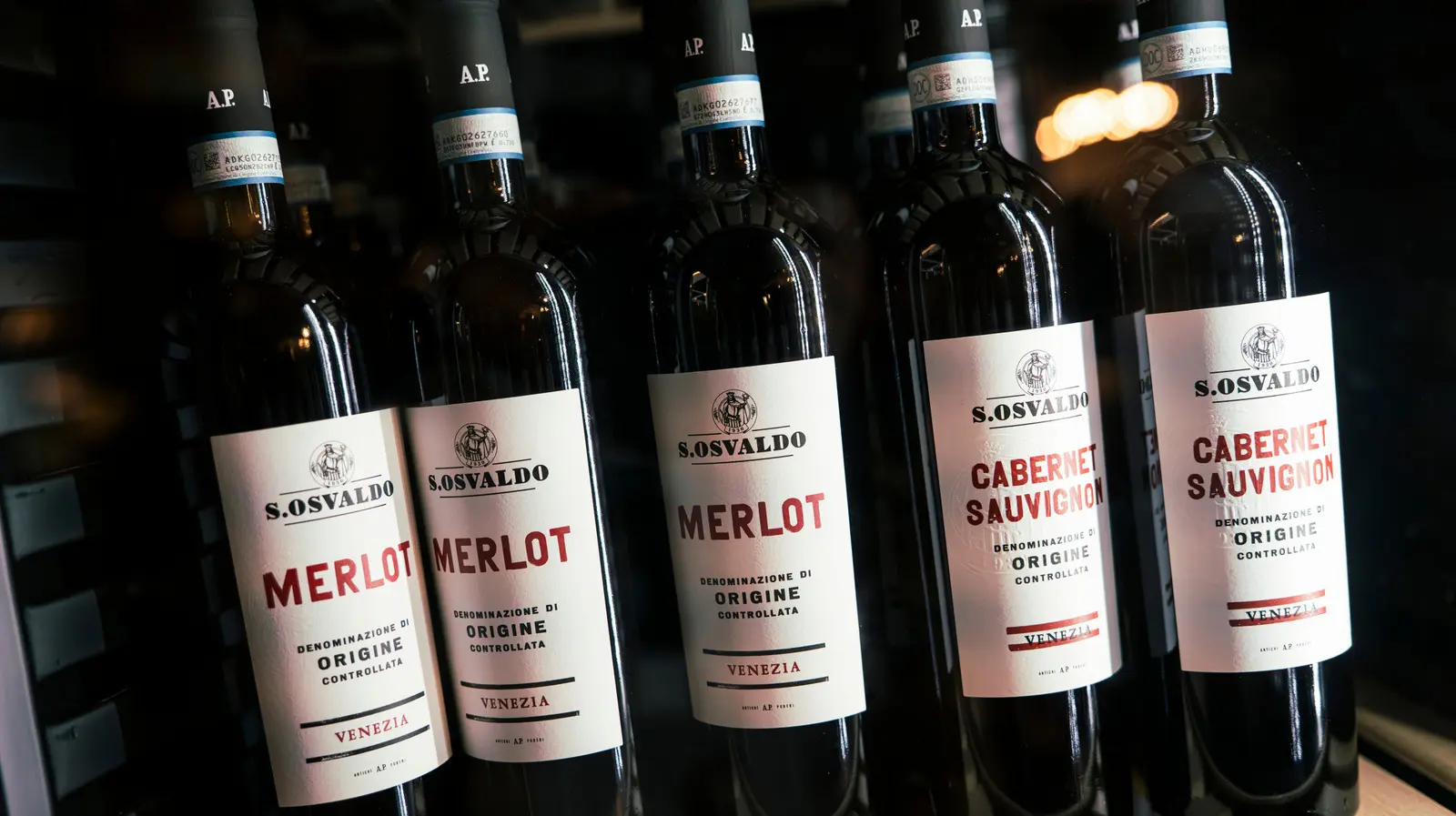
Cabernet Sauvignon vs. Merlot: How Two Bordeaux Classics Differ
Why Tannins Matter in Cabernet Sauvignon
When wine lovers gather, the debate over Cabernet Sauvignon and Merlot often sparks lively discussion. Both grapes hail from France’s famed Bordeaux region, yet they offer distinct tasting experiences. While Cabernet Sauvignon is celebrated for its robust structure and higher tannins, Merlot is prized for its softer, fruit‑forward profile. These differences shape how each wine is paired, aged, and enjoyed worldwide.
Latest news
 Prosciutto Elevates the Classic Grilled Cheese Sandwich
 Costco Frozen Shrimp Rivals Steakhouse Appetizers
 Skip Store‑Shelf German Chocolate for This Rich Duncan Hines Cake Mix
 Severed Sun: A Blood-Red Bourbon Halloween Cocktail
Merlot’s Appeal to New Wine Drinkers
The two varietals share a deep red hue and similar growing conditions, but their flavor profiles diverge sharply. Cabernet Sauvignon delivers bold notes of blackcurrant, cedar, and sometimes a hint of tobacco, supported by firm tannic backbone that ages gracefully. Merlot, by contrast, offers plush plum, chocolate, and a velvety mouthfeel with lower tannin levels, making it approachable even for novices.
Tannins are natural compounds that give wine structure, astringency, and the capacity to age. In Cabernet Sauvignon, higher tannin content results in a fuller body and a more pronounced dry sensation on the palate. This characteristic makes Cabernet a favorite for pairing with rich meats and aged cheeses. Winemakers often harvest Cabernet grapes at a later stage, allowing sugars to convert fully while preserving tannin integrity. The result is a wine that can develop complex layers over decades, with flavors evolving from bright fruit to earthy, nutty nuances.
How Climate Influences Flavor
Merlot’s lower tannin levels create a smoother, rounder texture that appeals to those new to red wine. Its fruit‑centric flavors—think ripe plum, raspberry, and subtle chocolate—are immediately accessible. Many winemakers blend Merlot with other Bordeaux varieties to soften the overall profile of a blend, adding depth without excessive bite. The grape’s adaptability also allows it to thrive in diverse climates, from Bordeaux’s temperate zones to California’s warmer vineyards, resulting in a range of styles from light and fruity to richer, barrel‑aged expressions.
What Does the Future Hold for These Varieties?
The Bordeaux region’s maritime climate, with mild winters and moderate summers, supports both varieties, yet slight variations in vineyard location can sway flavor. Cabernets planted on higher, well‑drained soils tend to produce tighter, more concentrated wines, while Merlot vines in cooler, looser soils yield softer, fruit‑rich bottles. In recent years, climate change has nudged vintners to adjust harvest times, sometimes favoring earlier picks to preserve acidity, especially for Merlot, which can become overly ripe in hotter conditions.
Winemakers worldwide continue to experiment with new techniques—such as extended maceration for Merlot or cold‑pressing for Cabernet—to refine texture and flavor. The growing demand for sustainable viticulture also encourages practices that reduce chemical inputs, potentially affecting the aromatic complexity of both grapes. As consumer palates evolve, the classic contrast between the boldness of Cabernet Sauvignon and the approachable elegance of Merlot remains a staple of wine education and enjoyment.
Frequently Asked Questions
Q: Which wine pairs better with steak? A: Cabernet Sauvignon’s firm tannins and robust flavors complement grilled meats, while Merlot’s smoother profile works well with lighter steak preparations or dishes featuring mushroom sauces.
Content written by [email protected] (Georgina Jedikovska) for fancy-meals.com editorial team, AI-assisted.