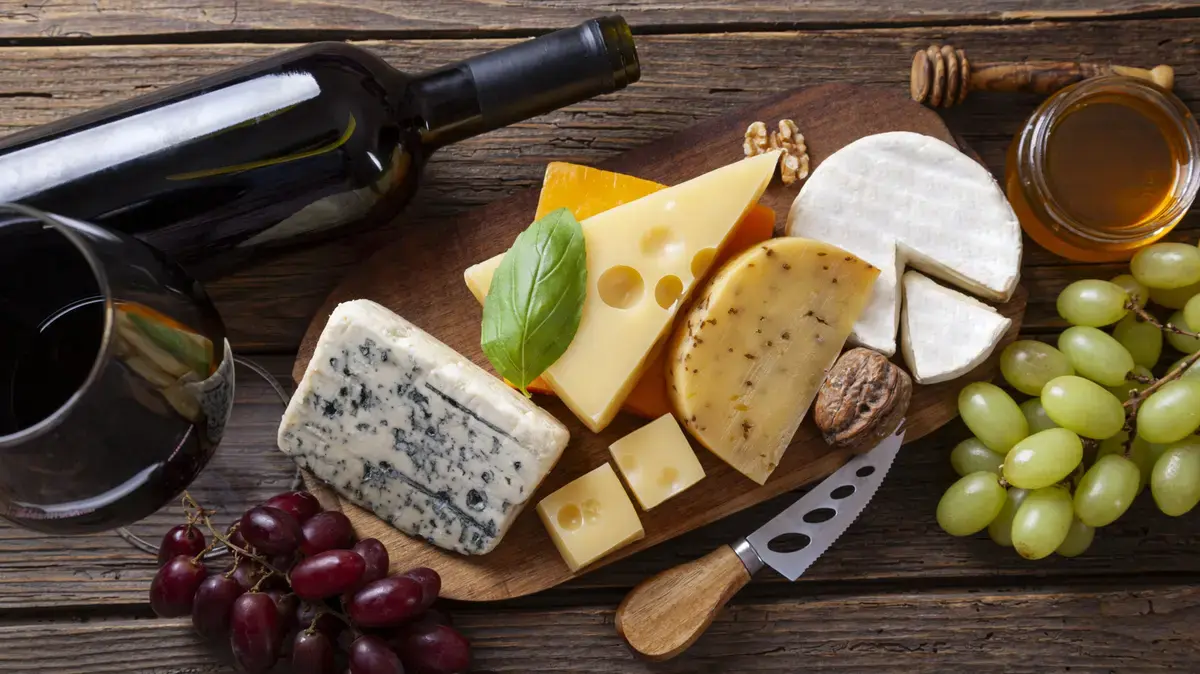
Avoid Red Wine with Strong Cheese to Prevent Unpleasant Aftertaste
The Science Behind Flavor Pairing
Pairing red wine with cheese is often celebrated, but certain combinations can lead to a disappointing experience. A recent exploration into wine and cheese pairings highlights that some pungent cheeses clash with red wine, leaving an unpleasant aftertaste. This issue has emerged as a topic of discussion among food enthusiasts and wine connoisseurs alike.
Latest news
 Costco's Frozen Dumpling Lineup, Ranked From Least To Most Tasty
 Best stainless-steel frying pans 2026: expert-tested picks for searing, eggs and daily cooking
 Trader Joe’s First‑Time Shopper Guide: Must‑Try Items
 Panda Express vs P.F. Chang's: Which Orange Chicken Is Healthier?
The essence of a good pairing lies in balancing flavors. Red wine typically offers rich, bold flavors that complement many cheeses. However, when paired with strong cheeses, such as blue cheese or certain aged varieties, the result can be a rancid taste that lingers unpleasantly. Experts suggest that the robust flavors of these cheeses can overpower the wine, leading to a dissonance that detracts from the tasting experience.
Wine and cheese pairing is both an art and a science. The goal is to enhance the flavors of each component, creating a harmonious experience. When it comes to pungent cheeses, their intense profiles can clash with the tannins and acidity of red wines. This clash can result in a taste that is described as rancid or metallic.
What Should You Pair Instead?
Food pairing expert Dr. Sarah Tatum explains, „The compounds in strong cheeses can react with the tannins in red wine, creating an unappealing flavor profile.”Many people may not realize that their favorite red wine can be ruined by an incompatible cheese. Therefore, it’s essential to consider the characteristics of both elements before serving them together.
So, what are the best alternatives for pairing with pungent cheeses? White wines, especially those that are crisp and refreshing, tend to pair better. Varieties like Sauvignon Blanc or a dry Riesling can complement the flavors of strong cheeses without overwhelming them. Additionally, sparkling wines can provide a delightful contrast, enhancing the overall tasting experience.
Choosing the right combination can elevate a meal and enhance enjoyment. Many wine enthusiasts recommend experimenting with different pairings to discover personal preferences. Understanding the balance of flavors can turn a simple gathering into a memorable culinary event.
In conclusion, while red wine and cheese can create delightful pairings, caution is warranted when selecting pungent cheeses. The wrong combination can lead to an unpleasant aftertaste that detracts from the experience. By choosing lighter wines or experimenting with alternative pairings, one can avoid flavor clashes and enjoy a more satisfying meal.
Frequently Asked Questions
Can I drink red wine with any cheese? Not all cheeses pair well with red wine. Strong or pungent cheeses can clash with the wine, resulting in undesirable flavors.
What types of cheese work best with red wine? Milder cheeses, such as Brie or Gouda, typically pair well with red wine. Their flavors complement rather than overpower the wine.
How can I improve my cheese and wine pairings? Experiment with various combinations and pay attention to flavor profiles. Consulting pairing guides can also help you make better choices.
Content written by Isabelle Fontaine for fancy-meals.com editorial team, AI-assisted.