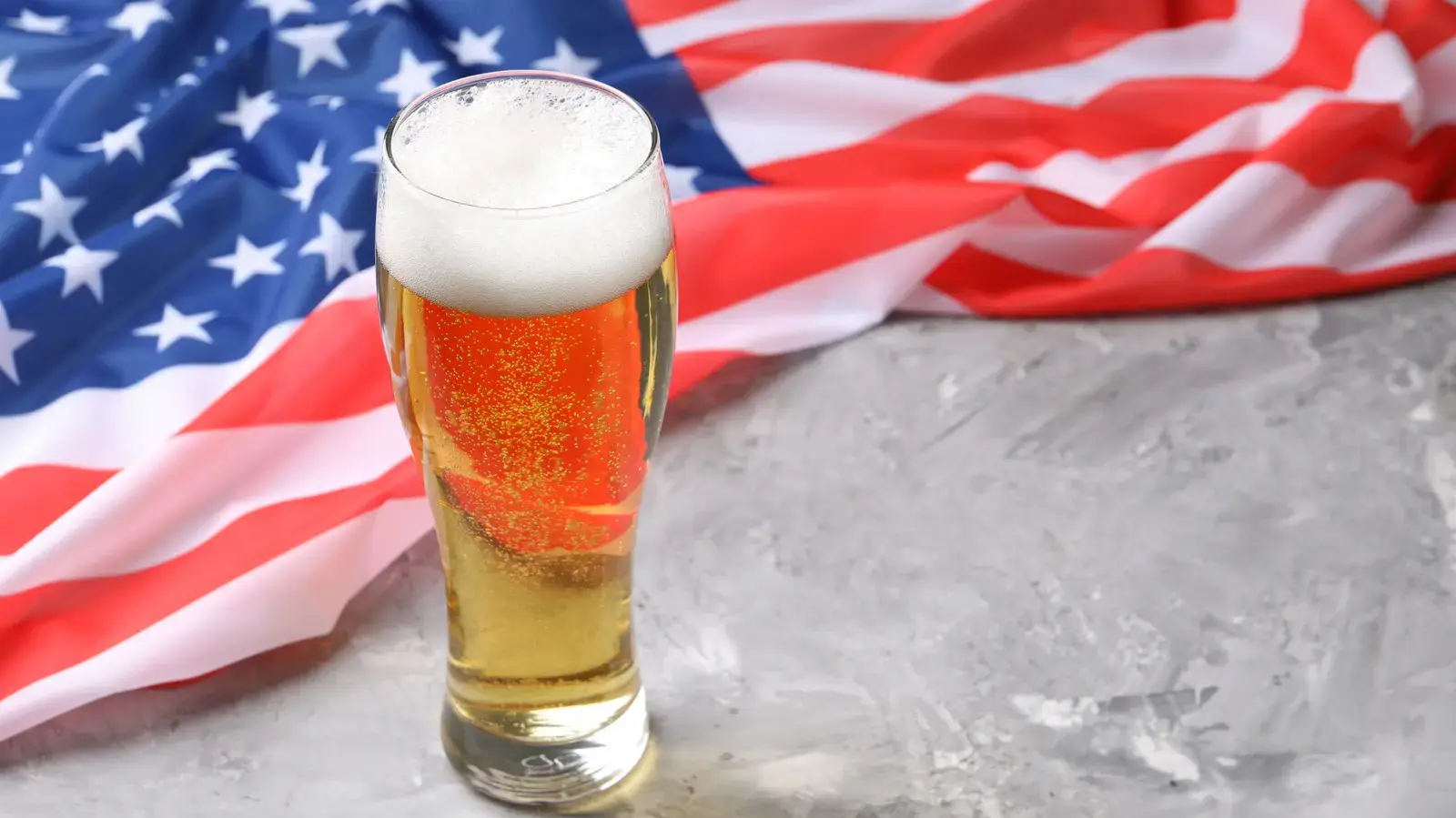
8 Frequent Complaints About American Beer
Why Do Big Brewers Rely on Adjuncts?
American beer faces ongoing criticism from consumers and experts alike, with complaints ranging from ingredient quality to serving temperature practices, as highlighted in a October 2026 analysis by food and beverage commentators. The discussion centers on why certain perceptions persist despite the growth of craft brewing and improved standards across the industry.
Latest news
 Best stainless-steel frying pans 2026: expert-tested picks for searing, eggs and daily cooking
 Trader Joe’s First‑Time Shopper Guide: Must‑Try Items
 Panda Express vs P.F. Chang's: Which Orange Chicken Is Healthier?
 Prosciutto Elevates the Classic Grilled Cheese Sandwich
Critics often point to the use of adjuncts like corn and rice in mass-produced lagers, arguing these ingredients dilute flavor and prioritize cost over taste. Others note that the widespread promotion of serving beer ice cold masks imperfections, as extreme chill numbs the palate and prevents drinkers from detecting off-flavors or subtle characteristics. This practice, while marketed as refreshing, may actually hinder genuine appreciation of the beverage.
Is Serving Beer Ice Cold Really Necessary?
Large breweries historically adopted corn and rice to reduce production costs and create a lighter, more consistent product appealing to a broad market. These fermentable sugars increase alcohol yield without adding significant body or flavor, resulting in the crisp, clean profile associated with many American lagers. While purists view this as compromising tradition, defenders argue it meets consumer demand for easy-drinking, refreshing beer, especially in warm climates or social settings where refreshment is prioritized over complexity.
Serving beer at near-freezing temperatures suppresses volatile compounds responsible for aroma and taste, effectively dulling sensory perception. Beer experts recommend serving most styles between 38-55 degrees Fahrenheit depending on the variety, allowing nuanced flavors to emerge. The ice-cold trend, particularly dominant in advertising for mainstream brands, persists because it creates a immediate sensation of thirst-quenching relief, even if it sacrifices flavor depth—a trade-off many drinkers appear willing to make for perceived refreshment.
Are all American beers made with corn or rice? No, while many mass-produced lagers use adjuncts, countless craft breweries across the U. S. produce all-malt beers using only barley, water, hops, and yeast, offering diverse and complex flavor profiles.
Frequently Asked Questions
Does cold temperature ruin all beer types? Extremely cold temperatures can mask flavors in any beer, but the impact varies by style; lighter lagers may tolerate chill better than robust ales or stouts, which lose complexity when over-chilled.
Is the criticism of American beer fair today? While valid concerns remain about certain mainstream products, the American beer landscape now includes thousands of breweries producing high-quality, innovative beers that compete globally, suggesting the reputation is outdated for much of the market.
Content written by [email protected] (DB Kelly) for fancy-meals.com editorial team, AI-assisted.