7 German Beer Garden Rules American Tourists Always Break Within Minutes
Tourists frequently miss subtle cues
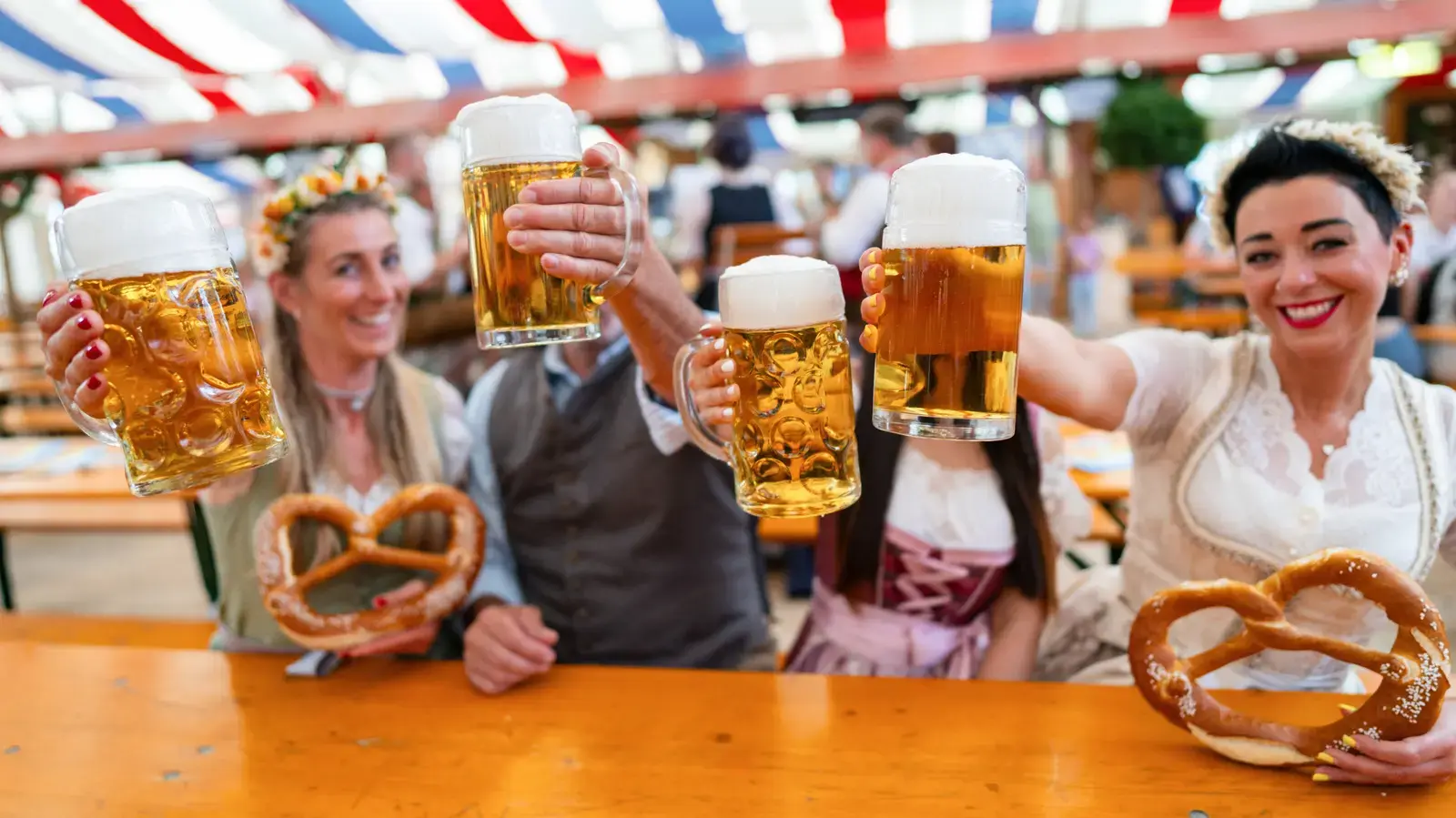
American tourists visiting German beer gardens often unknowingly violate local customs within minutes of arrival, according to beer culture expert Ron Smith. These social missteps range from improper seating choices to incorrect drink ordering habits, potentially causing friction with locals and diminishing the authentic experience. Smith, founder of the Beer MBA Program, highlights these common errors to help visitors enjoy Bavaria’s iconic outdoor drinking spaces respectfully. The core issue stems from cultural differences in how Germans approach communal beer garden etiquette. Unlike the more individualistic style common in U. S. bars, German beer gardens emphasize shared tables, self-service norms, and specific rituals around food and drink consumption.
Latest news
 Costco's Frozen Dumpling Lineup, Ranked From Least To Most Tasty
 Best stainless-steel frying pans 2026: expert-tested picks for searing, eggs and daily cooking
 Trader Joe’s First‑Time Shopper Guide: Must‑Try Items
 Panda Express vs P.F. Chang's: Which Orange Chicken Is Healthier?
Tourists frequently miss subtle cues, such as claiming tables without checking for existing belongings or attempting to order complex cocktails instead of sticking to traditional beer servings. Why Self-Seating Causes Instant Tension One of the most frequent mistakes involves tourists grabbing vacant tables without first looking for signs of occupation like jackets, bags, or regulars’ mugs. In German beer gardens, tables are often informally reserved by regulars or groups, even if temporarily unoccupied. Smith explains that Americans, accustomed to host-seated venues, overlook these visual indicators, leading to awkward confrontations when rightful owners return. He advises visitors to scan for personal items and, when in doubt, ask nearby locals if a seat is truly free before sitting down. What Happens When You Order the Wrong Drink Another common error is requesting drinks beyond the standard beer offerings, such as wine spritzers or mixed cocktails, which disrupts the garden’s traditional flow.
Beer gardens primarily serve local brews in standardized mugs
Beer gardens primarily serve local brews in standardized mugs, and staff may not be equipped or inclined to prepare non-beer beverages. Smith notes that insisting on alternatives can slow service and frustrate both servers and patrons waiting for simple beer orders. He recommends embracing the house beer or a simple Radler (beer mixed with lemon soda) to align with local practice and avoid drawing unwanted attention. Frequently Asked Questions Is it acceptable to bring your own food into a German beer garden? Yes, bringing your own food is not only allowed but expected in most traditional beer gardens, as they historically permitted patrons to pair their brews with homemade snacks. However, purchasing food from on-site vendors is appreciated and supports the establishment. Do Germans mind if Americans speak loudly in beer gardens?
Excessive loudness, especially late in the day, is generally frowned upon as it disrupts the relaxed, communal atmosphere valued in these spaces. Keeping conversations at a moderate volume shows respect for fellow patrons seeking a pleasant outdoor experience. Should tourists leave a tip after paying for drinks at a beer garden? Tipping is customary but not obligatory; rounding up the bill to the nearest euro or leaving small change is considered polite for good service, though many locals simply leave the exact change if satisfied.
Content written by Tasting Table for fancy-meals.com editorial team, AI-assisted.