
Widespread Recall of Contaminated Food Products Sickens Hundreds Across the Nation
Recall Expands to Major Retail Chains
A nationwide food recall began on August 10, affecting ready‑to‑eat salads, pre‑packaged sandwiches, and frozen meals sold at Trader Joe’s, Walmart, Target, and dozens of regional grocers. Health officials report 345 confirmed cases of food‑borne illness, with symptoms ranging from stomach cramps to fever. The FDA and CDC have issued alerts urging consumers to discard affected items immediately.
Latest news
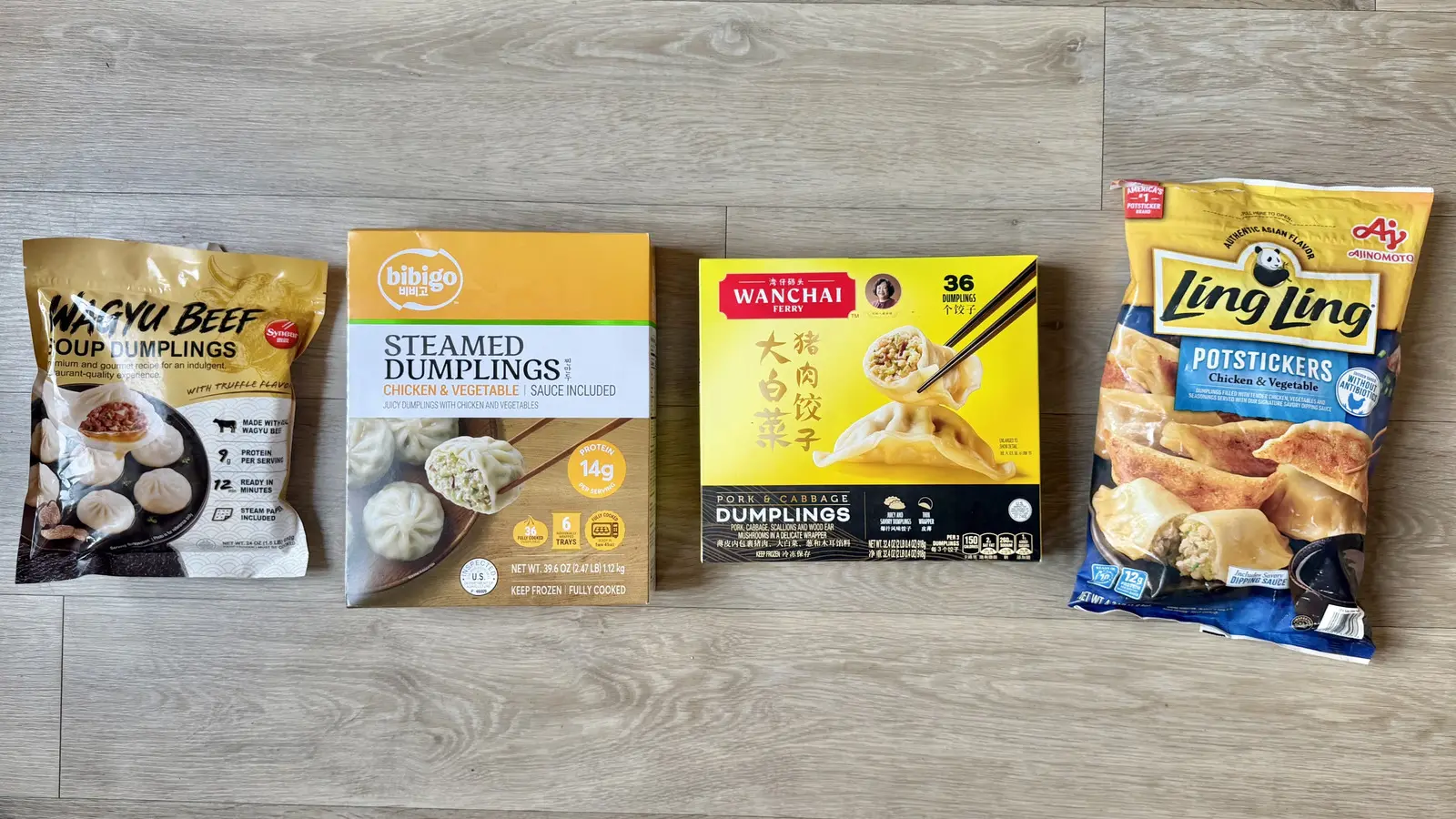 Costco's Frozen Dumpling Lineup, Ranked From Least To Most Tasty
 Best stainless-steel frying pans 2026: expert-tested picks for searing, eggs and daily cooking
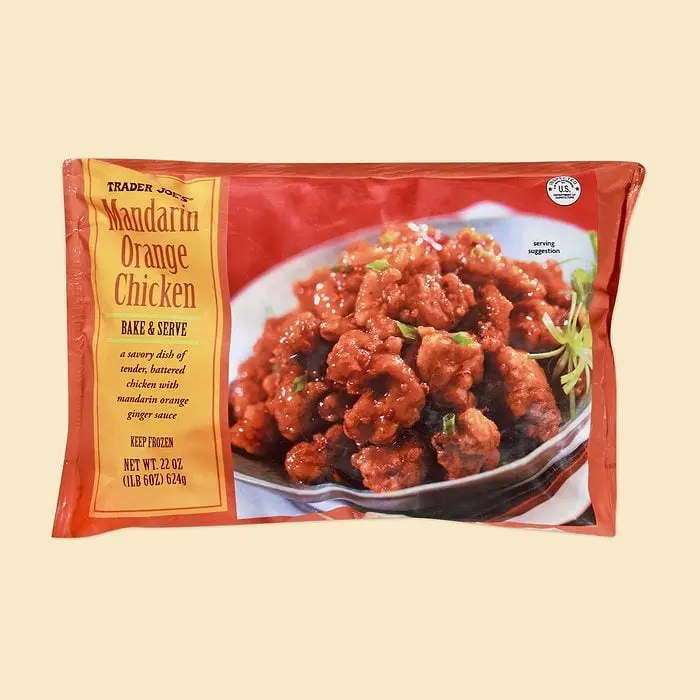 Trader Joe’s First‑Time Shopper Guide: Must‑Try Items
 Panda Express vs P.F. Chang's: Which Orange Chicken Is Healthier?
The contamination stems from a bacterial strain of Salmonella identified in a single processing facility that supplies multiple retailers. Investigators traced the outbreak to a lapses in sanitation protocols during a recent equipment upgrade. The faulty cleaning process allowed the pathogen to persist on production lines, contaminating products shipped to stores across 25 states. The FDA has halted distribution and is recalling all batches produced between June 1 and July 20.
Trader Joe’s was the first retailer to announce the pull‑back, removing over 1,200 SKUs from shelves. Walmart followed suit, pulling 2,300 items, while Target removed 1,800 products from its national inventory. Store managers reported a surge in customer inquiries, and many locations posted signage directing shoppers to the FDA’s online recall list. „We are cooperating fully with investigators and prioritizing customer safety,” said a spokesperson for Walmart. The recall also includes several regional chains, amplifying the reach of the warning.
Why Are Illnesses Spiking Across Multiple Stores?
The outbreak’s scale reflects the interconnected nature of modern food supply chains. A single contaminated batch can travel to dozens of outlets, exposing a broad consumer base. Experts point to inadequate monitoring during equipment changes as a key factor. „When a plant upgrades machinery, cleaning protocols must be rigorously validated,” explained Dr. Lena Ortiz of the CDC. She added that the pathogen’s resilience allowed it to survive standard wash cycles, leading to widespread distribution before detection.
Health officials warn that symptoms can appear up to 72 hours after consumption, and severe cases may require hospitalization. The CDC advises anyone experiencing prolonged vomiting, diarrhea, or fever to seek medical attention promptly. Retailers are offering refunds and encouraging customers to retain receipts for verification. The recall is expected to conclude within two weeks, but investigators will continue testing to ensure no further contamination persists.
Frequently Asked Questions
What products are included in the recall? The recall covers pre‑packaged salads, deli sandwiches, frozen entrees, and ready‑to‑heat meals produced at the identified facility between June 1 and July 20.
How can I tell if my item is affected? Check the package for a batch code ending in „SJ‑2026” and a recall notice on the FDA website. If in doubt, discard the product.
Will the recalled items be safe after the recall? No. The FDA advises against consuming any product from the affected batches, even if the package appears intact. Refunds are available through the original retailer.
Content written by Victoria Lane for fancy-meals.com editorial team, AI-assisted.