
Why Egg Temperature Matters in Baking
The Science Behind the Temperature Shift
A simple kitchen habit can transform your baked goods. Room temperature eggs integrate smoothly into batters and doughs, creating uniform texture. Cold eggs can cause lumps or uneven mixing. This small adjustment takes just minutes and significantly improves final results.
Latest news
 A Banana-Chocolate Twist Redefines the Classic Hot Toddy
 Cheesier Grilled Cheese Achieved with a French‑Toast Twist
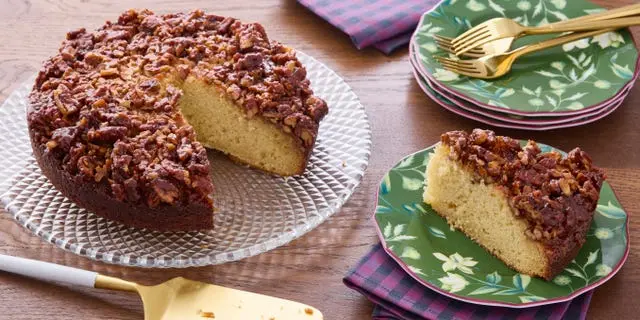 Nine Nutty Dessert Recipes Deliver the Perfect Crunch
 10 Recipes Ree Drummond Makes When All the Kids Come Home
Cold eggs straight from the fridge contain a tighter protein structure. When mixed with warm ingredients, they resist blending. This leads to grainy or separated mixtures. Letting them warm naturally on the counter takes about thirty minutes. For a faster method, place eggs in a bowl of warm water for five to ten minutes. This accelerates the process without cooking the egg.
Should You Use Warm Water or Let Them Sit?
Both methods work, but warm water is faster. A bowl of 110-degree Fahrenheit water brings eggs to room temperature in under ten minutes. Be careful not to use boiling water, which can start cooking the egg white. The passive method requires no active monitoring but takes longer. Choose based on your available time.
How long do eggs take to reach room temperature naturally? About thirty minutes on a standard kitchen counter. This depends on ambient temperature.
Frequently Asked Questions
Can you use warm water to speed up the process? Yes. Five to ten minutes in 110-degree water is effective and safe. Avoid temperatures above 140 degrees to prevent partial cooking.
Does egg temperature really affect the final bake? It does. Room temperature eggs mix more evenly, leading to smoother batters and better volume in cakes and cookies.